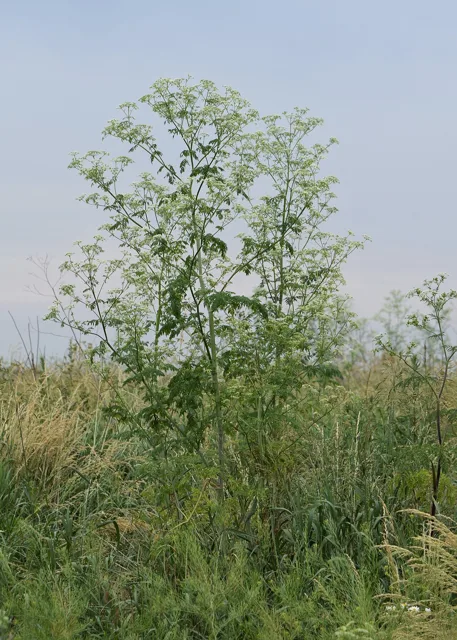
Poison hemlock
Conium maculatum
Poisonous to people & animalsStart with the kind of problem you need to prevent. These are selected routes into the guide, not a universal severity ranking. Read each profile for the affected animal group and evidence limits. For suspected exposure, use the safety guide.
State-list labels describe management requirements, separately from these hazards. What Lists A, B and C mean.
Plants with serious poisoning warnings. Affected species and evidence strength differ; use the individual profile before drawing conclusions about a person or animal.
Conium maculatum
Poisonous to people & animals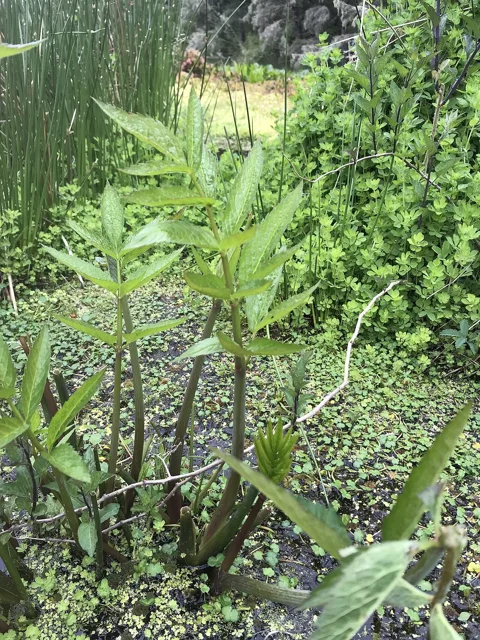
Cicuta douglasii
Potentially fatal poisoning; wetland look-alike danger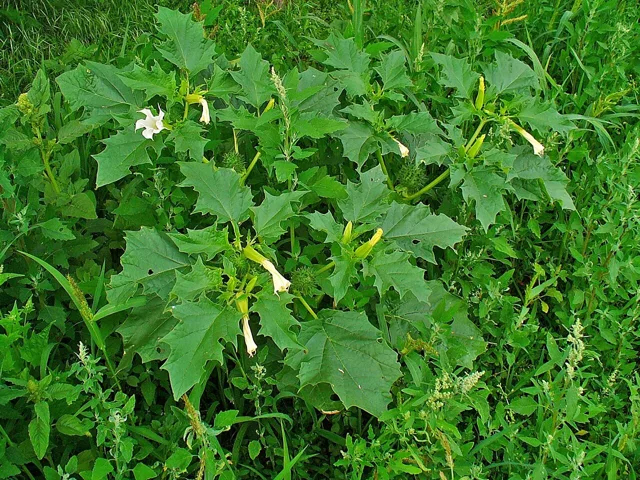
Datura stramonium
Serious poisoning risk to people and animals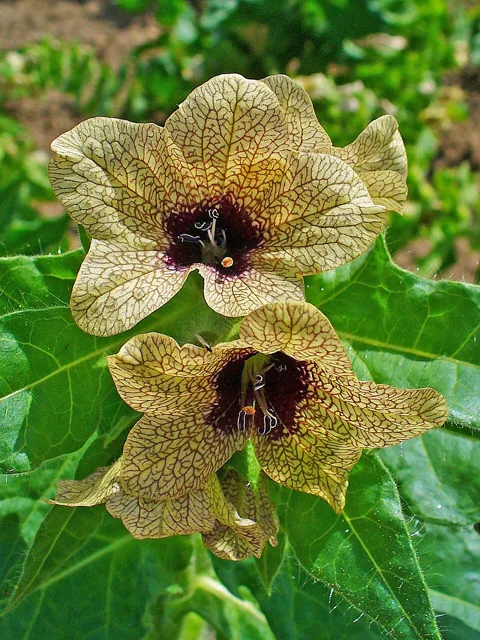
Hyoscyamus niger
Highly poisonous; keep animals away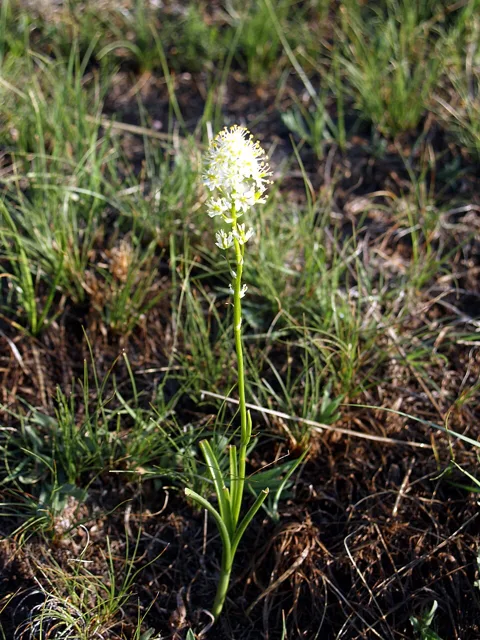
Toxicoscordion venenosum
Potentially fatal ingestion; onion-like bulbs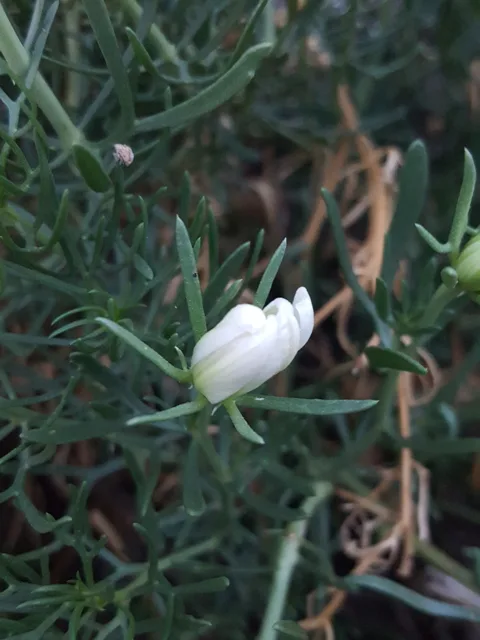
Peganum harmala
Highly poisonous if eaten; deep-rooted invader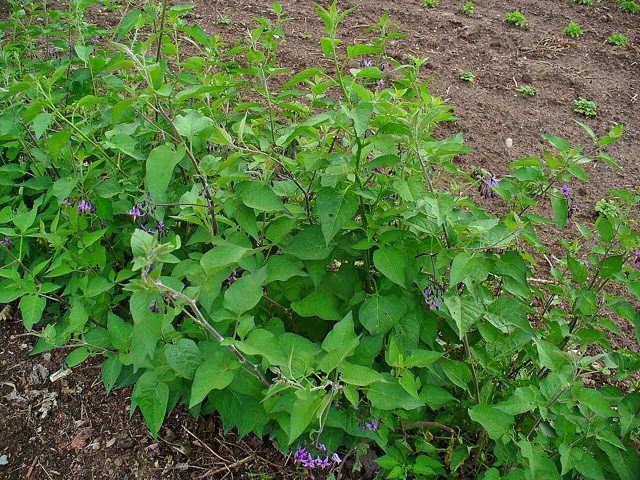
Solanum dulcamara
Poisonous berries and foliage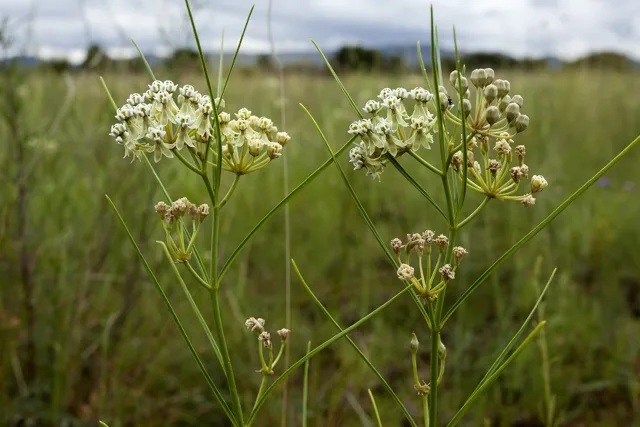
Asclepias subverticillata
High livestock toxicity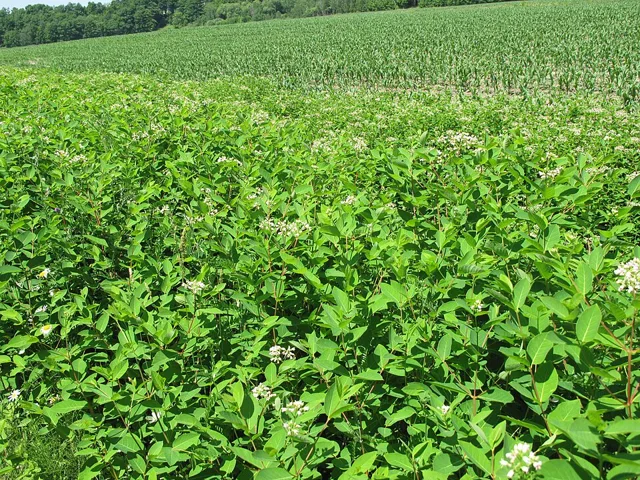
Apocynum cannabinum
Cardiac-glycoside poisoning hazard for people and animals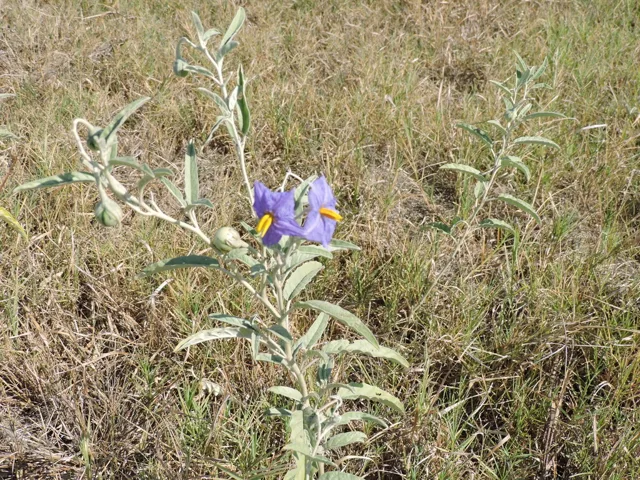
Solanum elaeagnifolium
Toxic leaves and berries; persistent spreading roots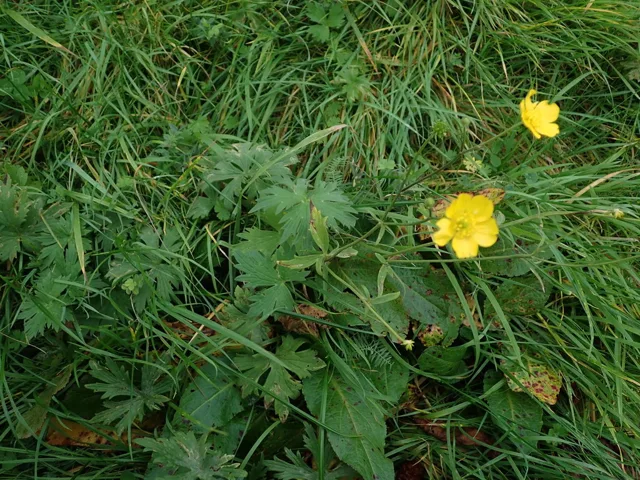
Ranunculus acris
Fresh plant irritation and animal poisoning hazard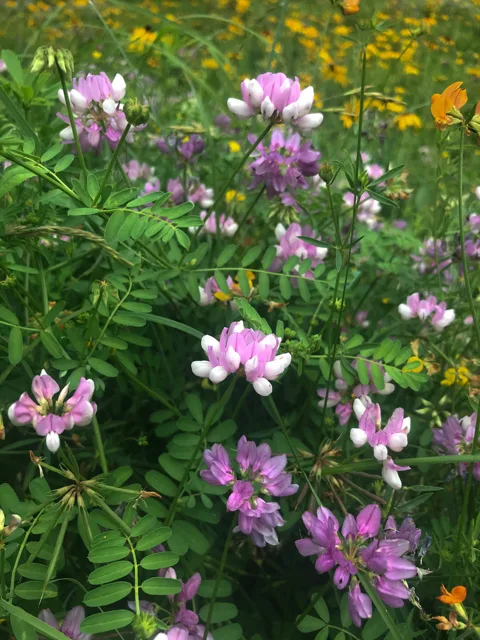
Securigera varia
Toxic to horses; spreading roots can smother vegetationA route to awns, burs, sharp points and irritating plant contact, including poison-ivy oil carried on fur.
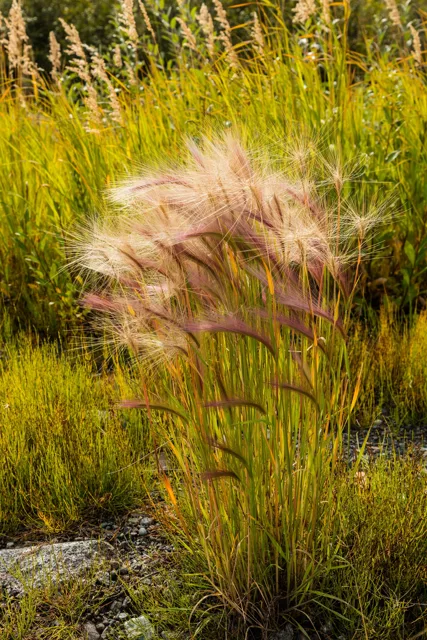
Hordeum jubatum
Barbed seed awns injure animals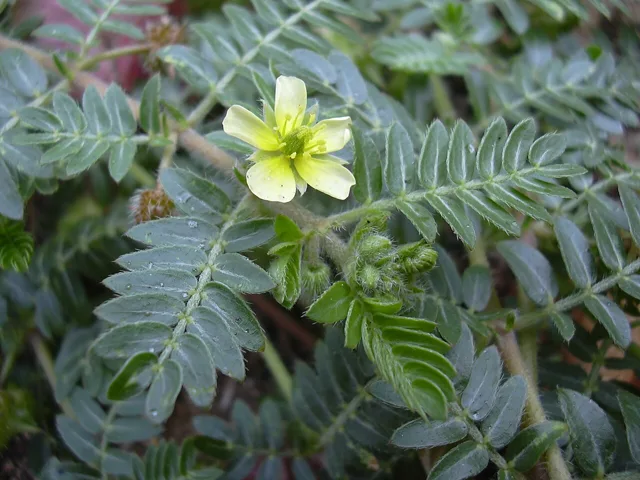
Tribulus terrestris
Sharp burs · Animal injury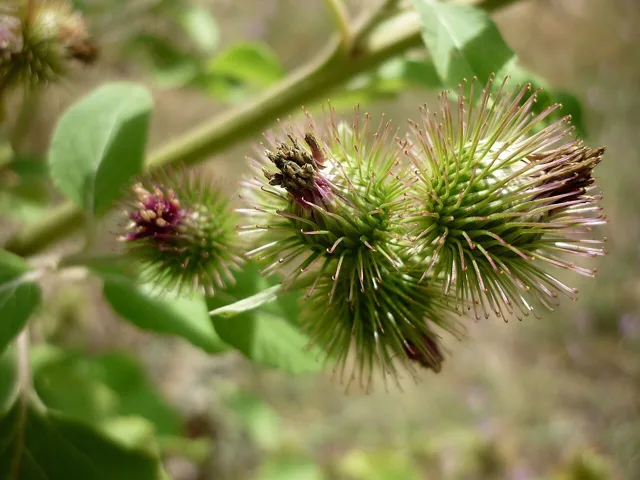
Arctium minus
Burs and fine bristles injure animals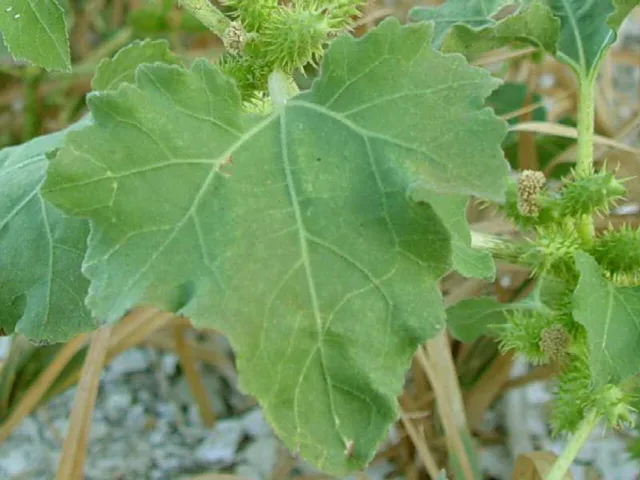
Xanthium strumarium
Burs catch in fur; seedlings and seeds are hazardous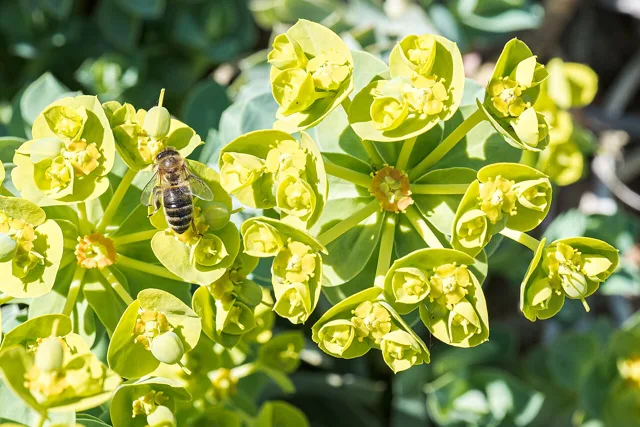
Euphorbia myrsinites
Poisonous · Eye & skin injury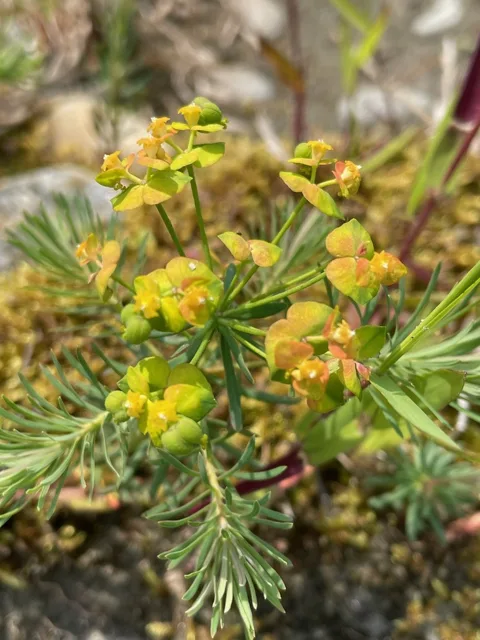
Euphorbia cyparissias
Sap can injure skin and eyes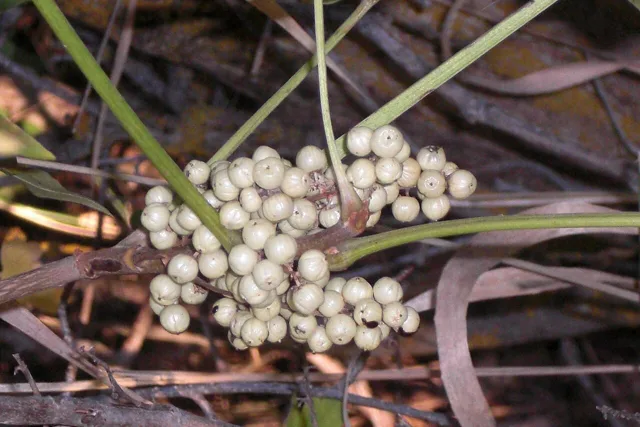
Toxicodendron rydbergii
Skin-rash oil can travel on pet fur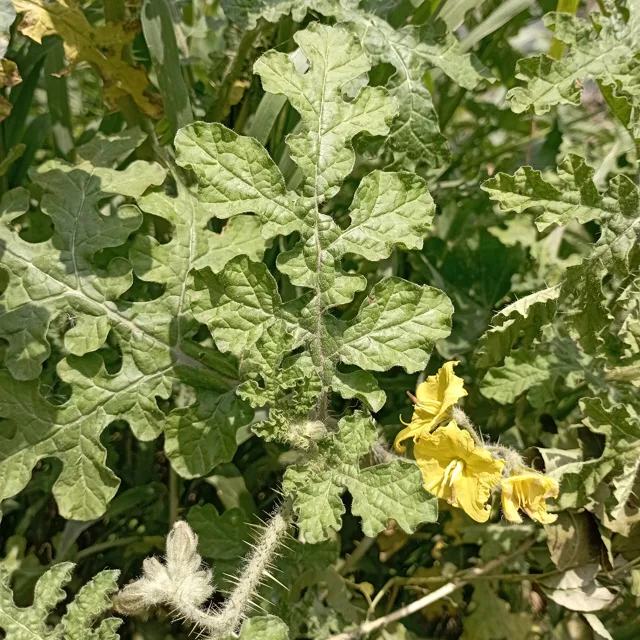
Solanum rostratum
Sharp spines; toxic to livestock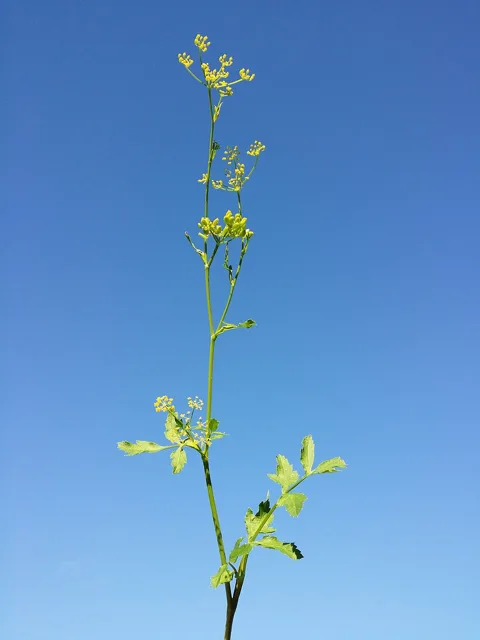
Pastinaca sativa
Sap plus sunlight can cause severe skin burns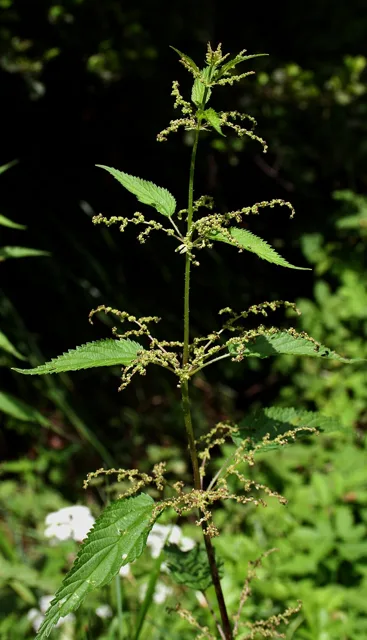
Urtica dioica
Stinging hairs; this profile covers a taxonomic complex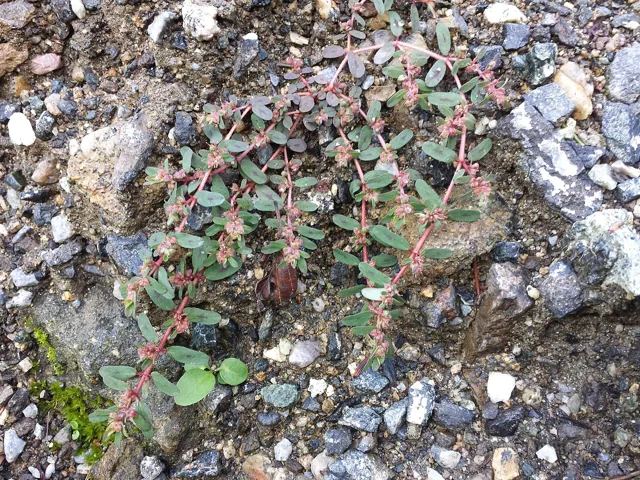
Euphorbia maculata
Milky sap can injure skin and eyes; keep pets from chewing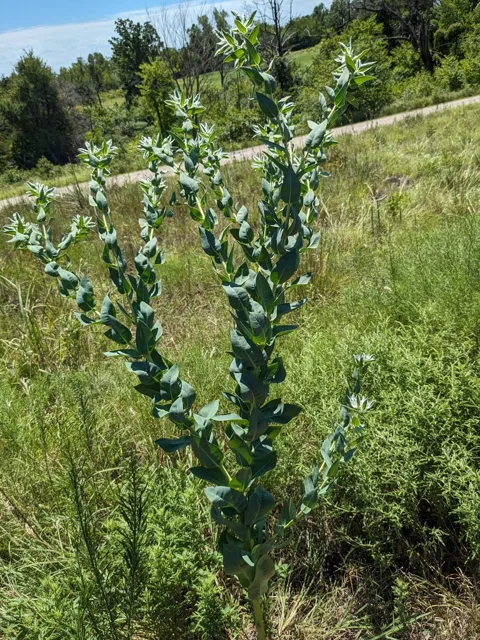
Euphorbia marginata
Latex can damage skin and eyes; toxic if eaten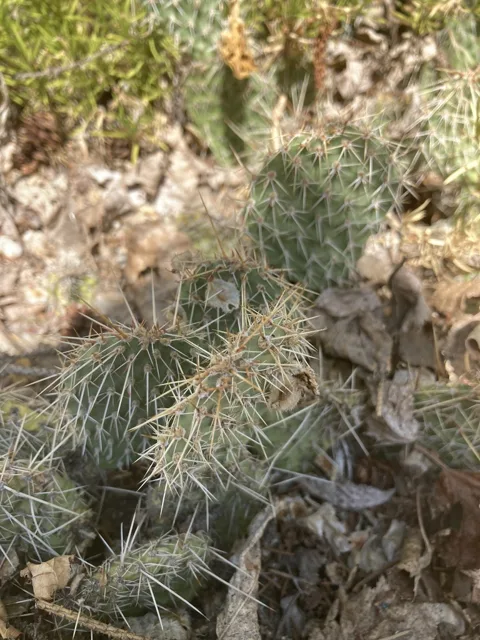
Opuntia polyacantha
Sharp spines around paws, mouths and eyes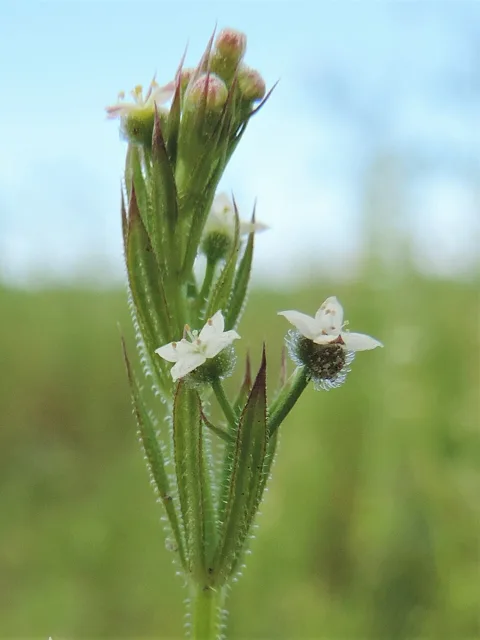
Galium aparine
Hooked hairs and burrs cling to fur and clothingFor landowners and animal keepers: forage poisoning and injury deserve their own review. Livestock findings are not pet exposure limits.
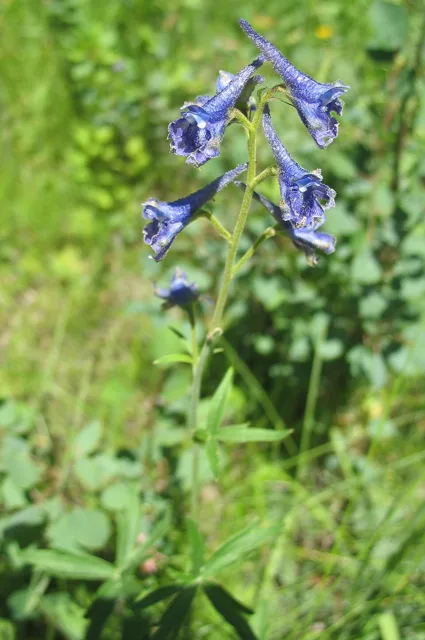
Delphinium barbeyi
Serious livestock and pet poisoning hazard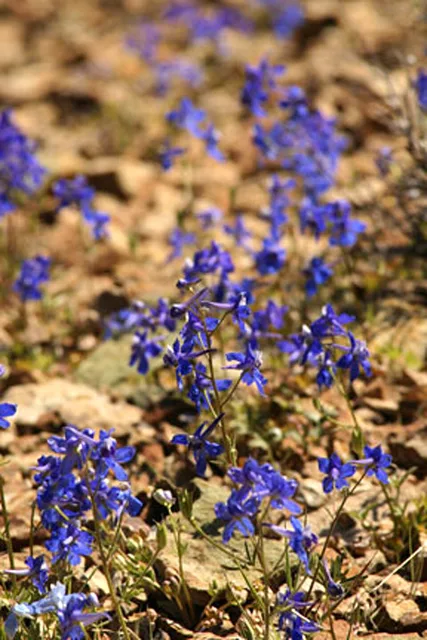
Delphinium nuttallianum
Serious livestock and pet poisoning hazard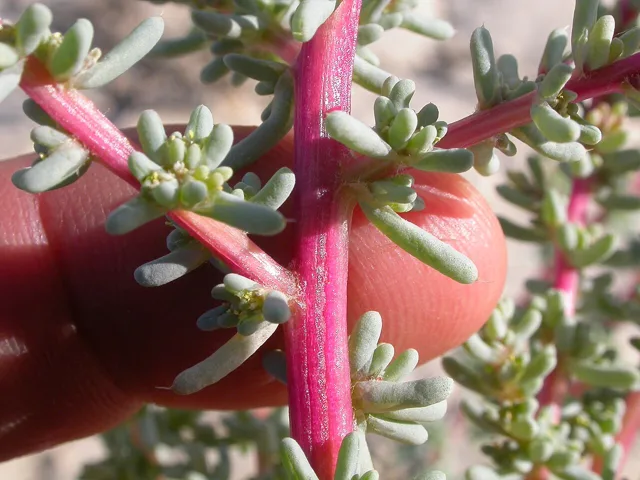
Halogeton glomeratus
Severe oxalate poisoning in livestock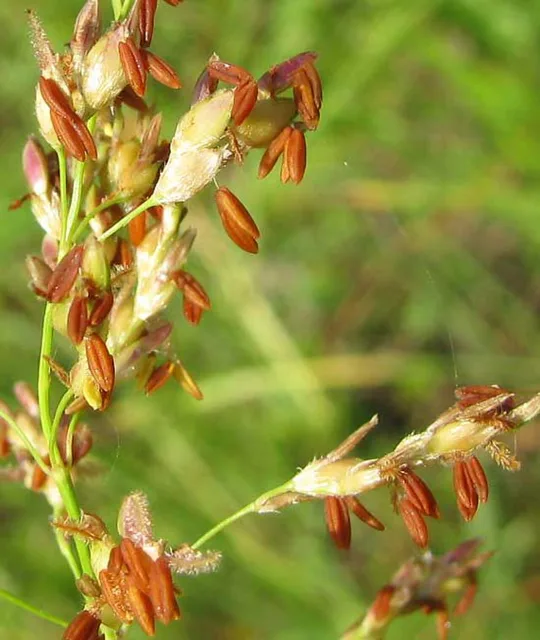
Sorghum halepense
Livestock cyanide risk; added fire fuel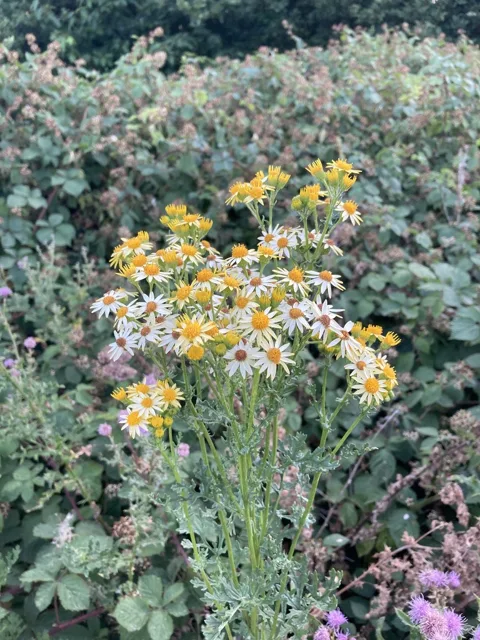
Jacobaea vulgaris
Poisonous to livestock; harmful alkaloids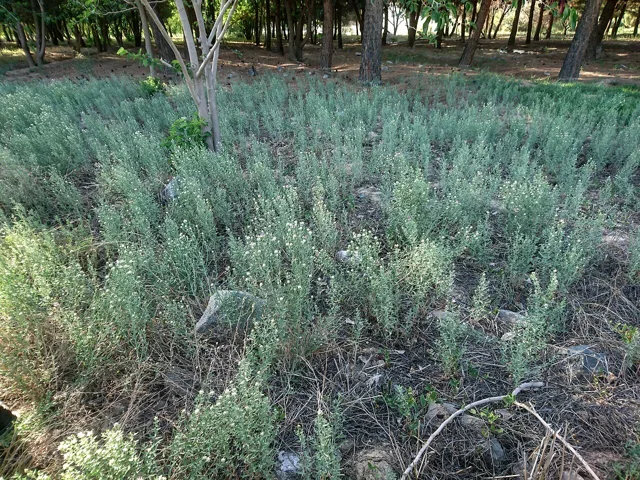
Rhaponticum repens
Toxic to horses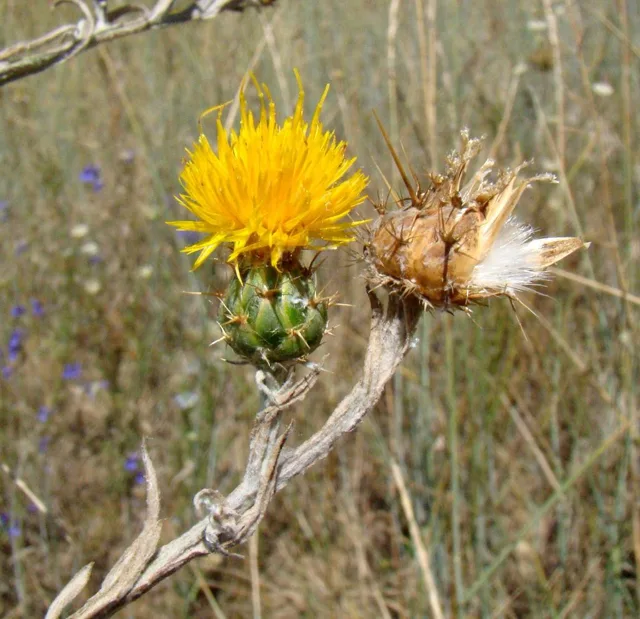
Centaurea solstitialis
Severe horse poisoning; sharp spines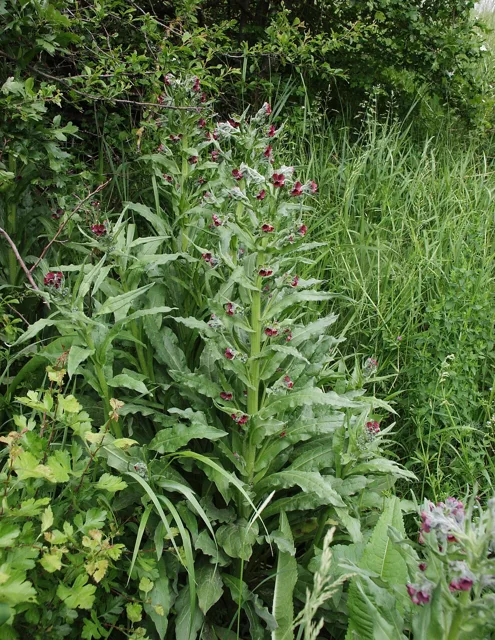
Cynoglossum officinale
Toxic to livestock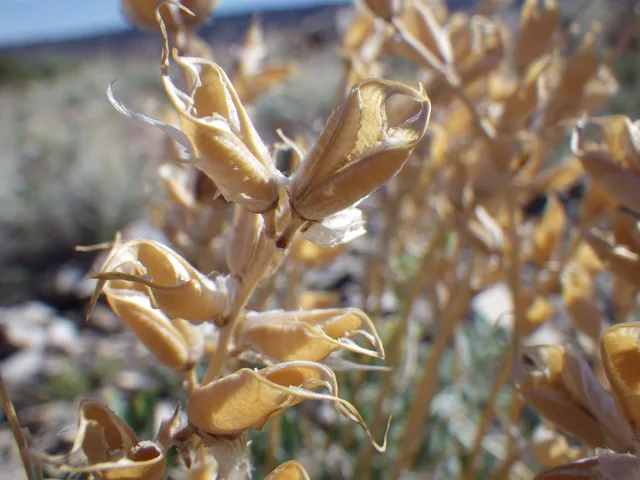
Oxytropis sericea
Toxic to livestock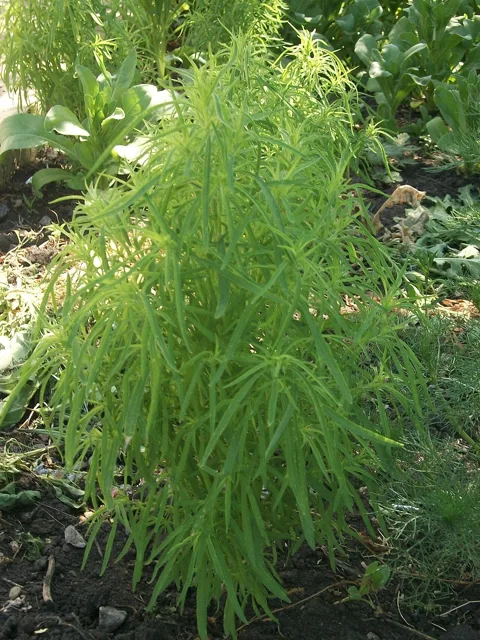
Bassia scoparia
Tumbling seed spread; livestock poisoning risk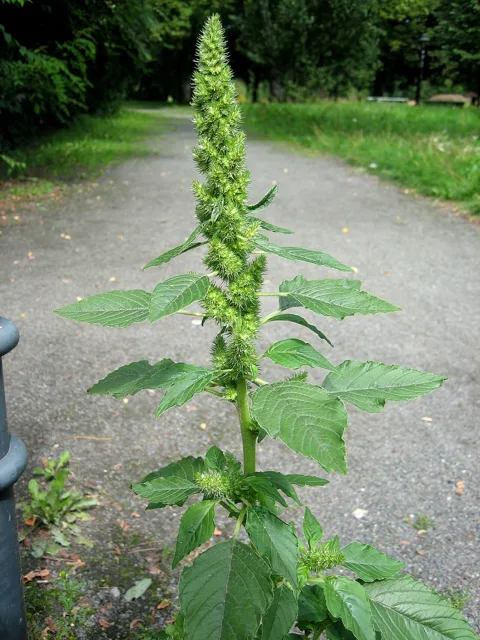
Amaranthus retroflexus
Crop competition; nitrate and oxalate livestock risk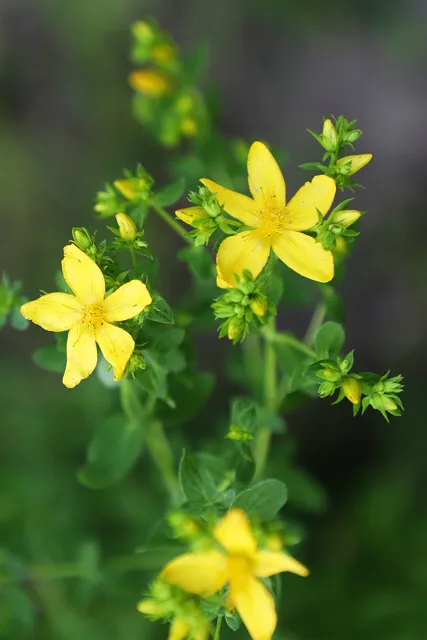
Hypericum perforatum
Photosensitivity and animal exposure concerns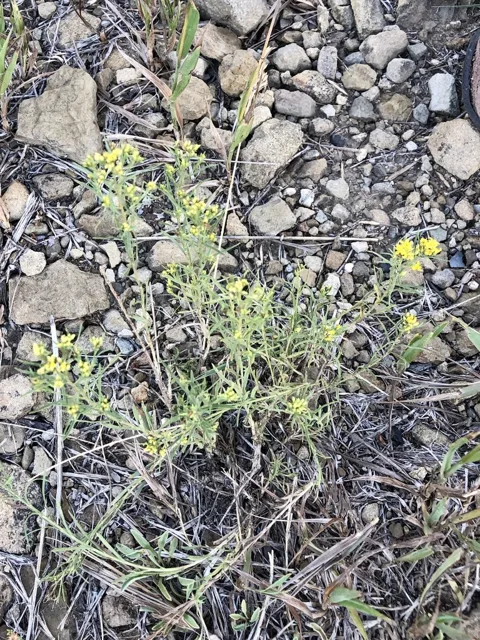
Gutierrezia sarothrae
Livestock poisoning and abortion risk when heavily eaten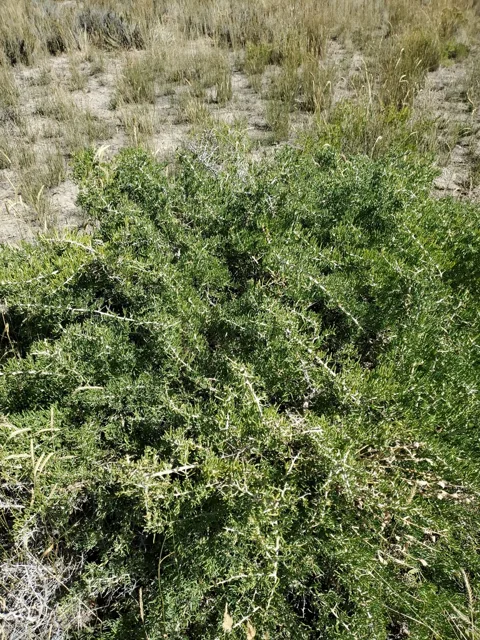
Sarcobatus vermiculatus
Oxalate poisoning can be fatal to livestock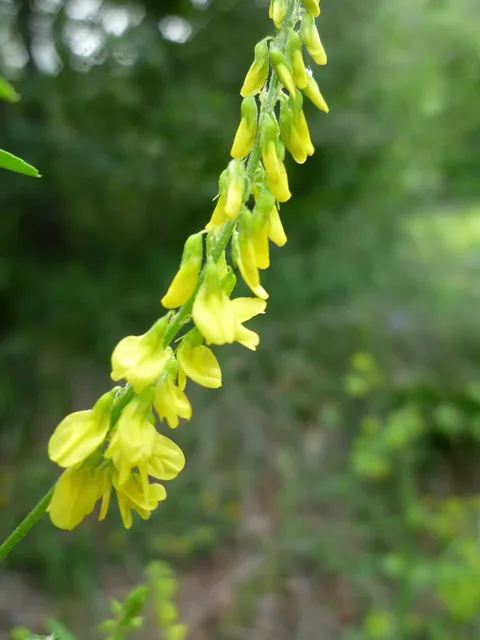
Melilotus officinalis
Moldy sweetclover hay can cause dangerous bleeding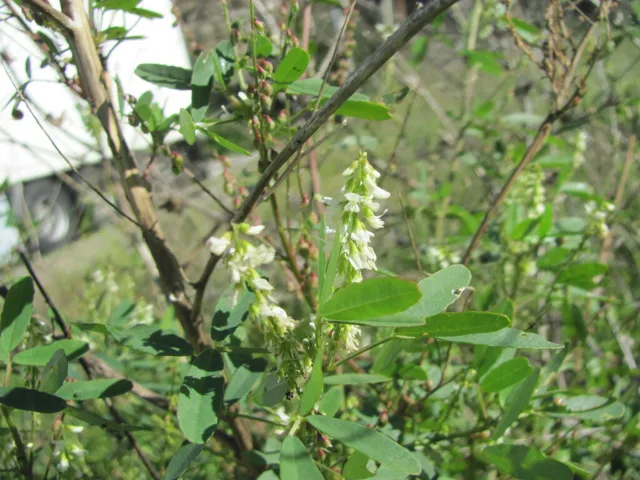
Melilotus albus
Moldy sweetclover hay can cause dangerous bleedingSecurigera varia
Toxic to horses; spreading roots can smother vegetationRead the profiles for the evidence about dry vegetation, tumbling plants and effects on land management.
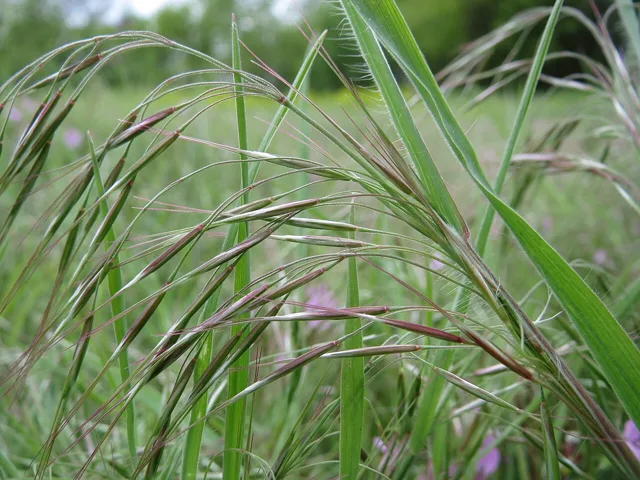
Bromus tectorum
Grass awns · Fire hazard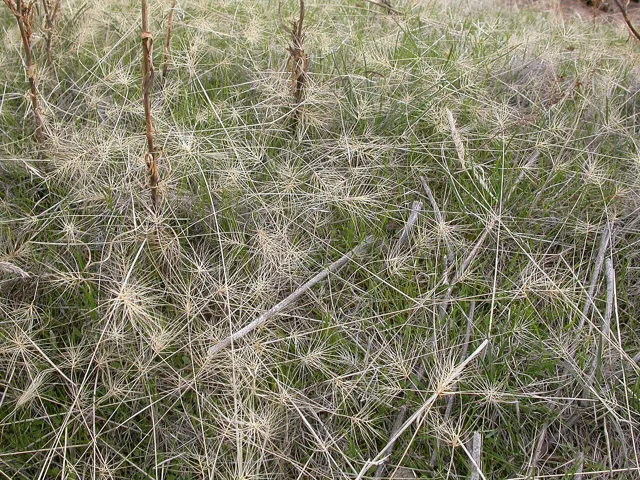
Taeniatherum caput-medusae
Barbed awns; persistent fire-promoting thatch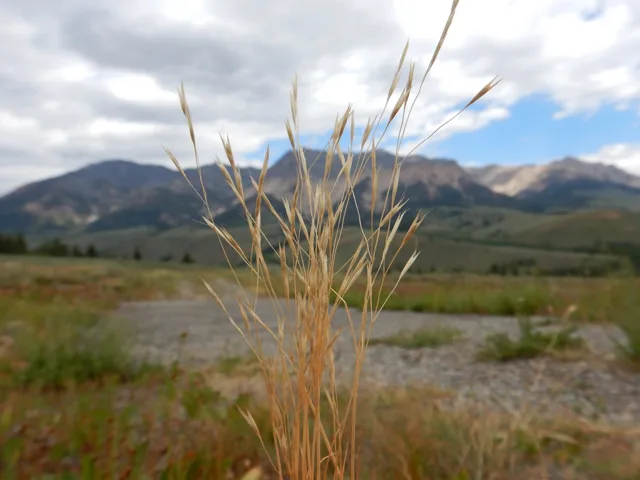
Ventenata dubia
Displaces forage and native grassland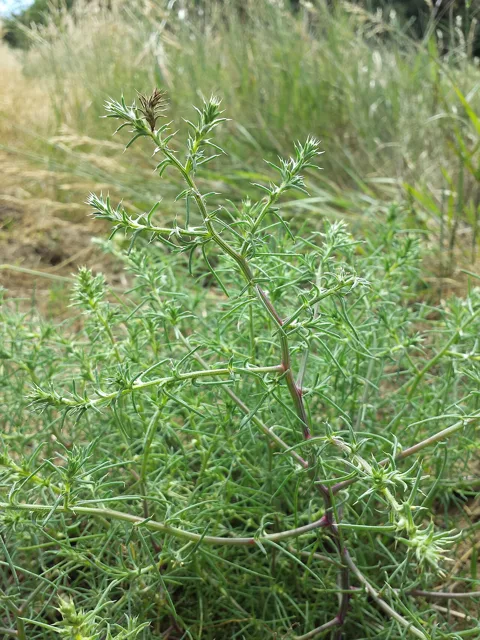
Salsola tragus
Prickly tumbleweeds; livestock and fire hazards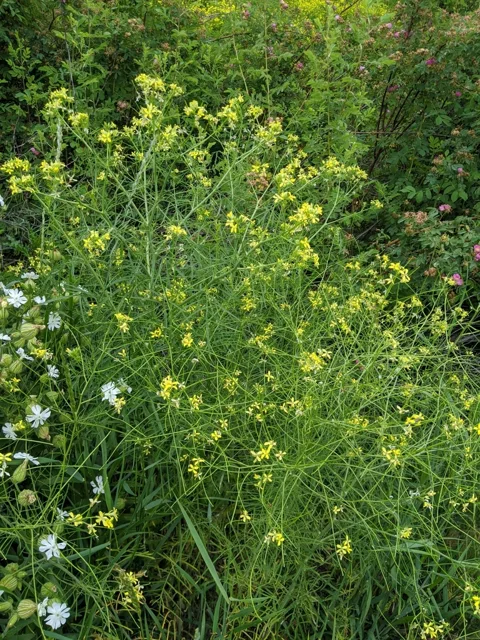
Sisymbrium altissimum
Another tumbleweed: brittle plants scatter persistent seedPlants whose spread or persistence can make restoration and routine garden management difficult. Methods depend on the site and confirmed identity.
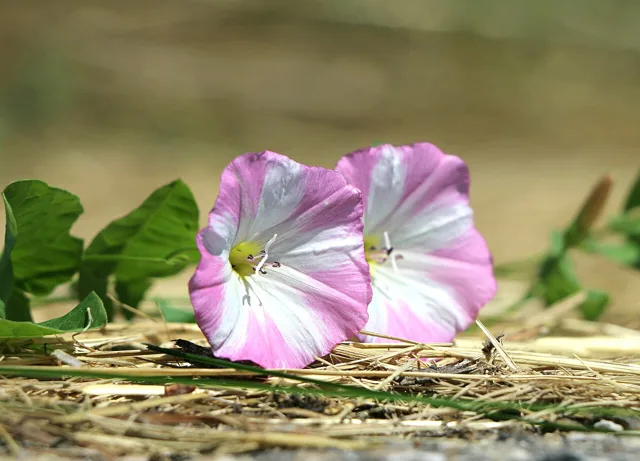
Convolvulus arvensis
Smothers plants; livestock concern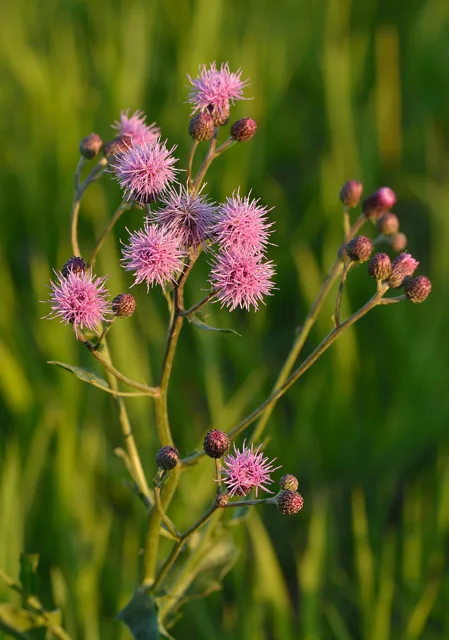
Cirsium arvense
Sharp spines; competes with vegetation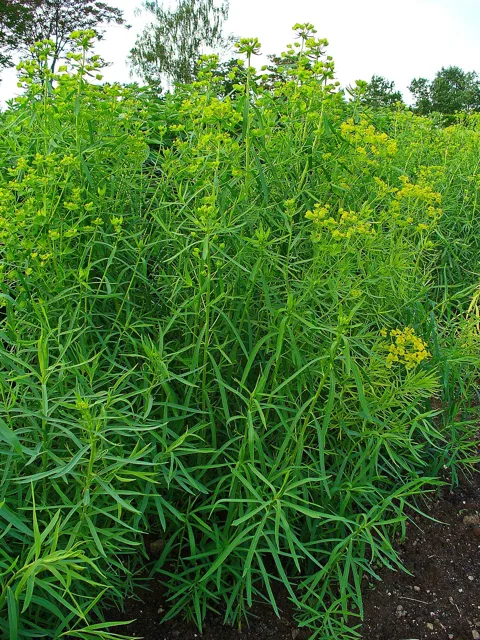
Euphorbia esula
Irritating sap; eye injury risk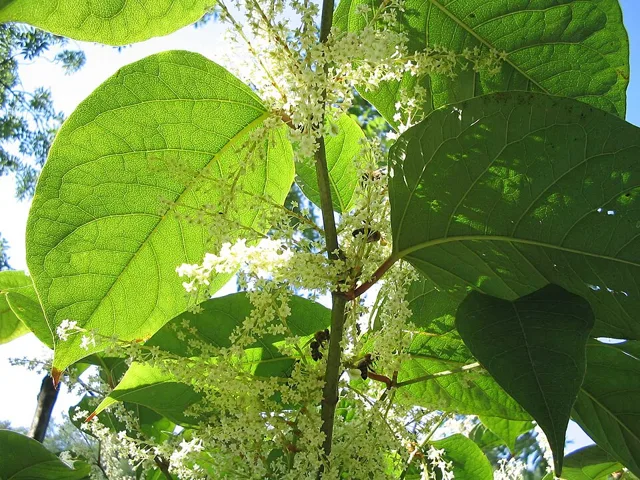
Reynoutria japonica
Root and stem fragments regrow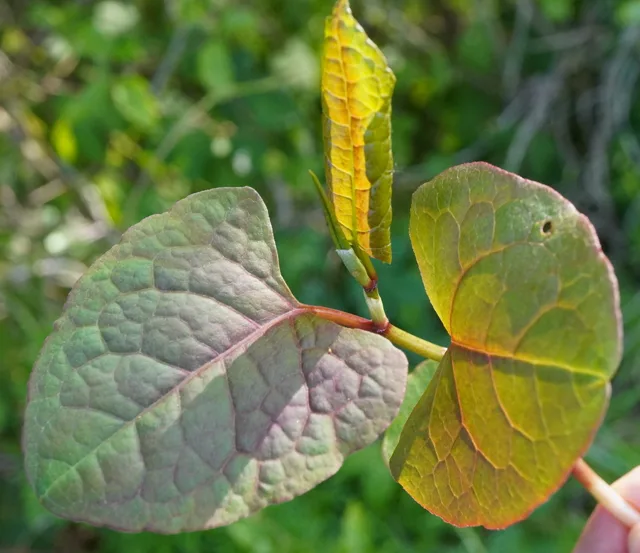
Reynoutria × bohemica
Hybrid regrows from small fragments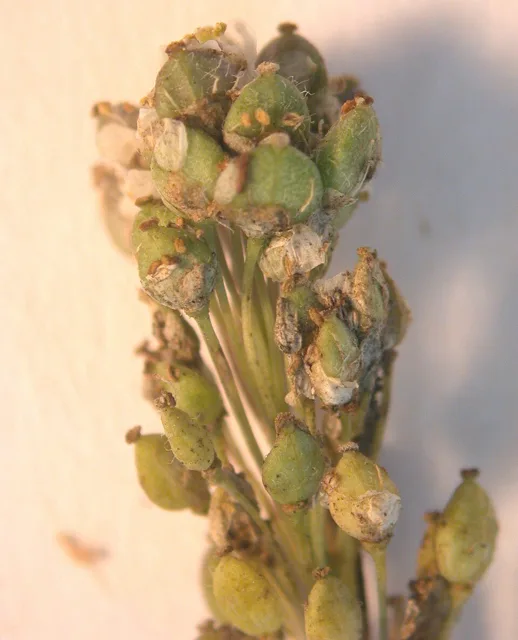
Lepidium latifolium
Deep roots form persistent wetland colonies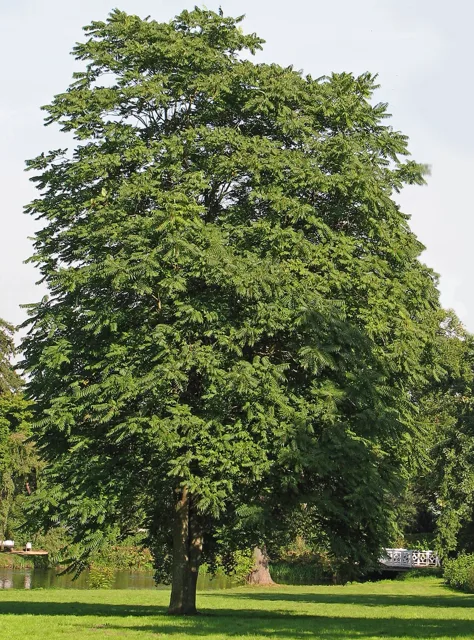
Ailanthus altissima
Root suckers form persistent thickets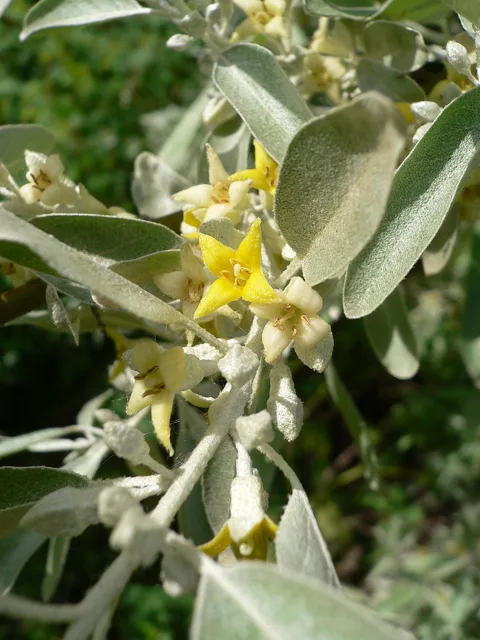
Elaeagnus angustifolia
Thorns; riparian habitat concern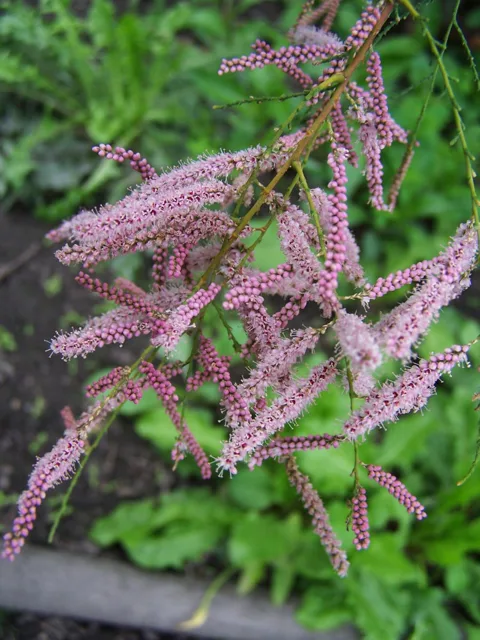
Tamarix ramosissima
Alters riparian vegetation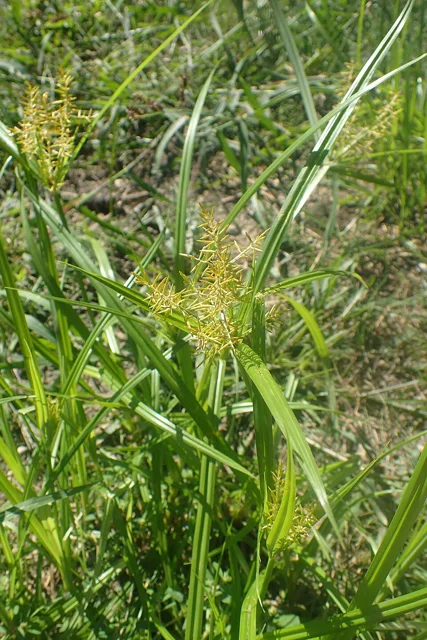
Cyperus esculentus
Underground tubers sustain infestations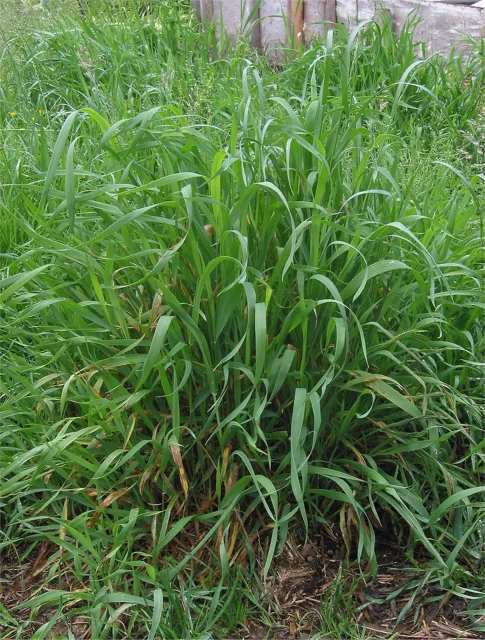
Elymus repens
Rhizome fragments regrow in lawns and gardens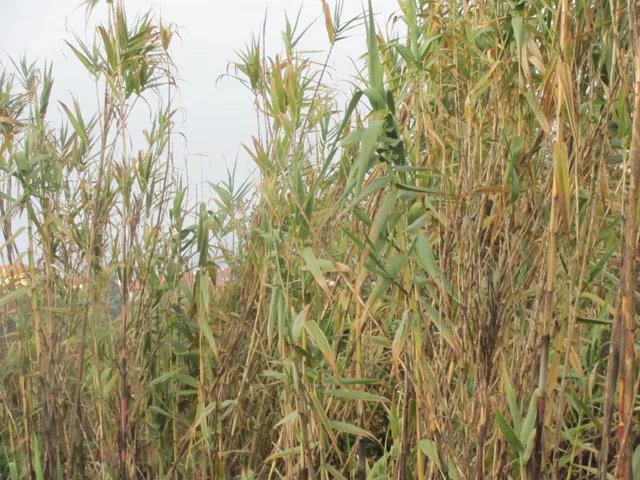
Arundo donax
Dense stands displace riparian plants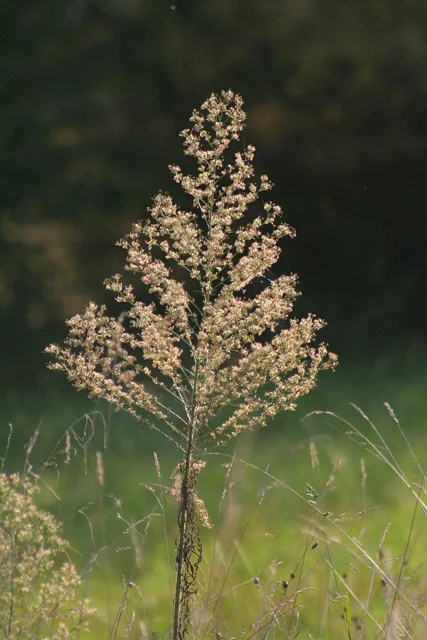
Erigeron canadensis
Fast windborne spread; some populations resist herbicidesSolanum elaeagnifolium
Toxic leaves and berries; persistent spreading rootsSecurigera varia
Toxic to horses; spreading roots can smother vegetationUse the individual accounts to understand spread and identification before moving plants, water or equipment from an affected site.
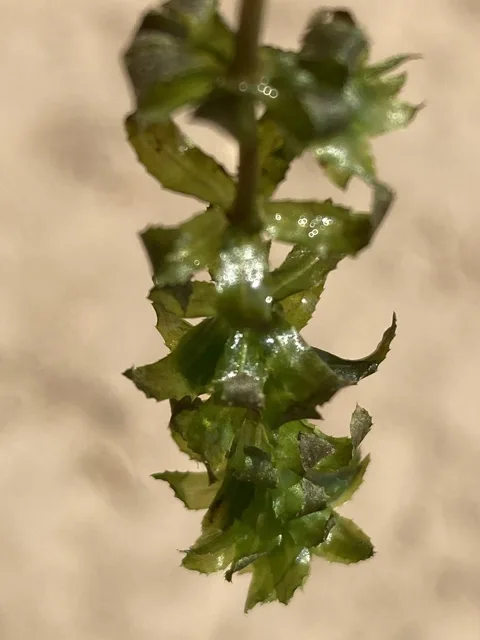
Hydrilla verticillata
Dense aquatic growth; wildlife disease association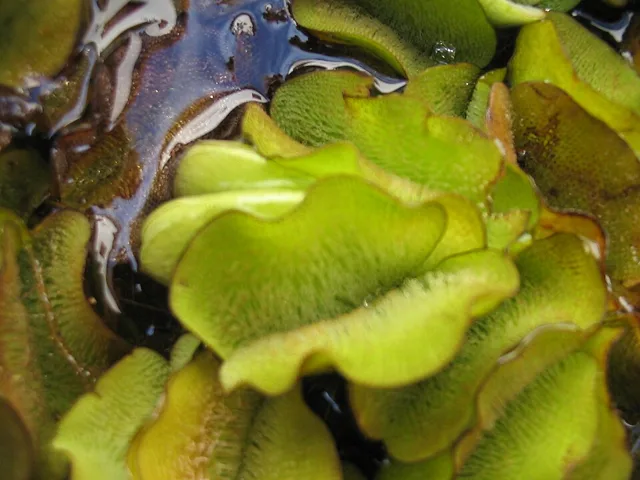
Salvinia molesta
Floating mats harm aquatic habitat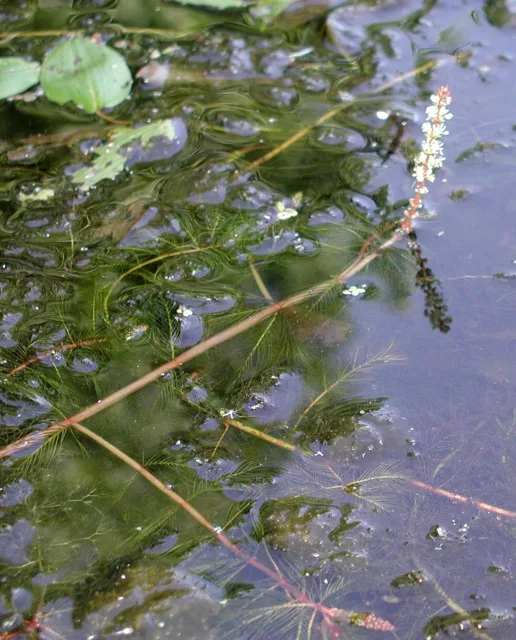
Myriophyllum spicatum
Fragments spread dense aquatic growth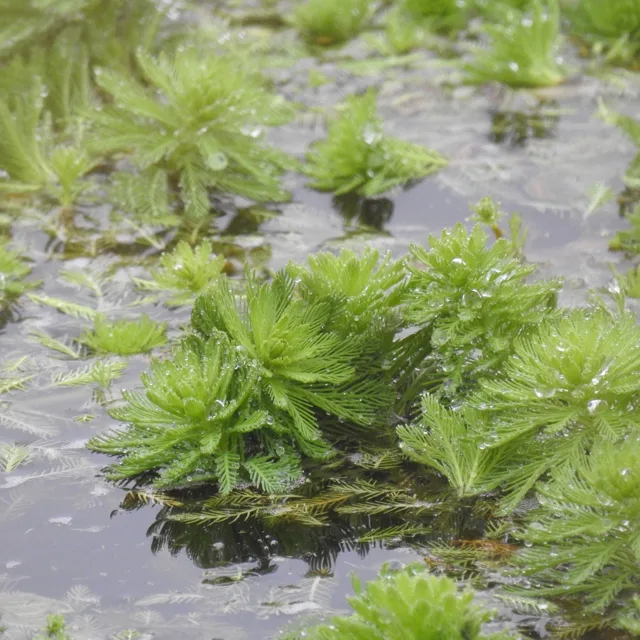
Myriophyllum aquaticum
Aquatic mats obstruct waterways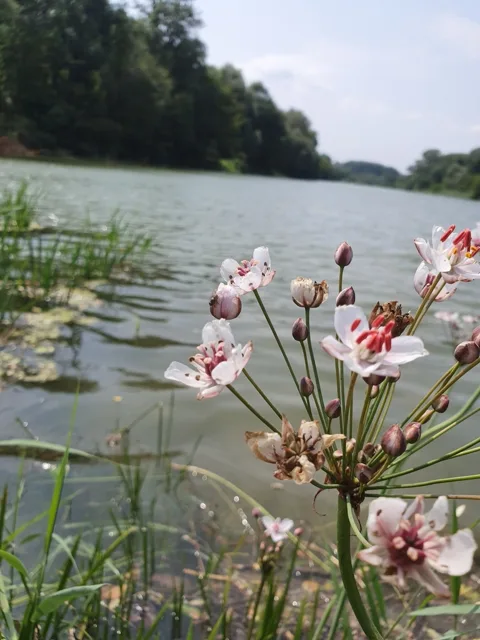
Butomus umbellatus
Small fragments spread aquatic colonies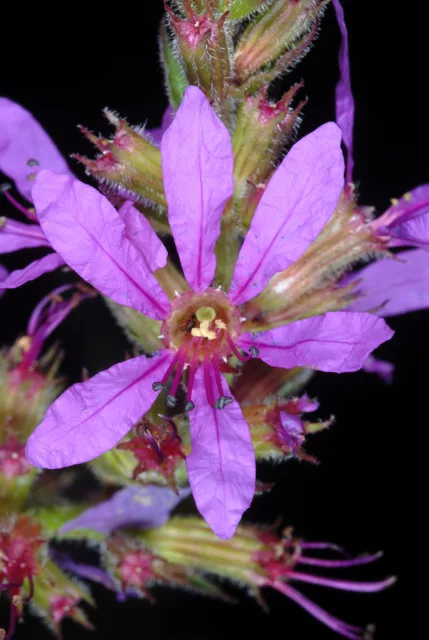
Lythrum salicaria
Crowds out wetland vegetation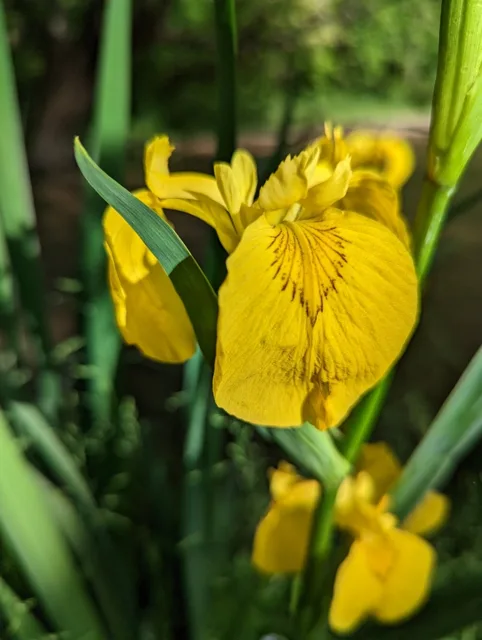
Iris pseudacorus
Ingestion concern; invasive wetland coloniesRagweed profiles separate documented allergy concerns from species-specific questions still under research. This is not a local pollen forecast.
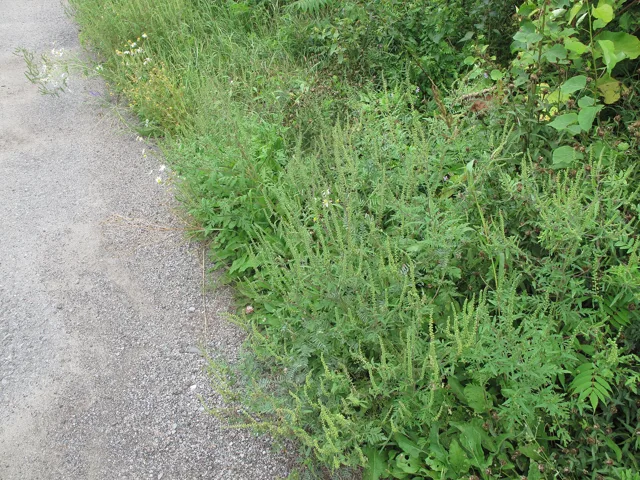
Ambrosia artemisiifolia
Pollen allergy; skin irritation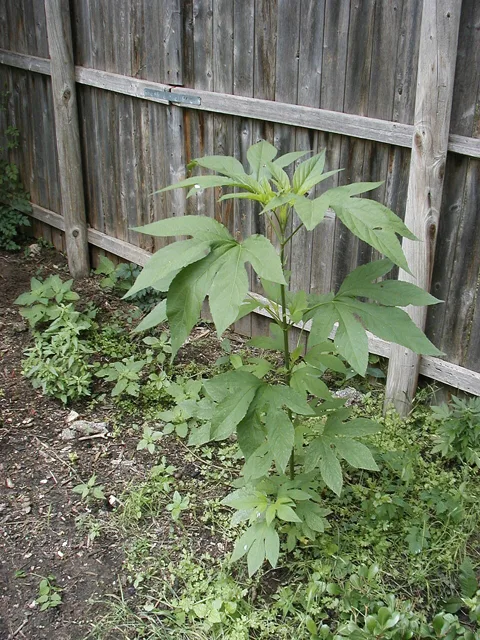
Ambrosia trifida
Allergenic pollen and strong competition in disturbed ground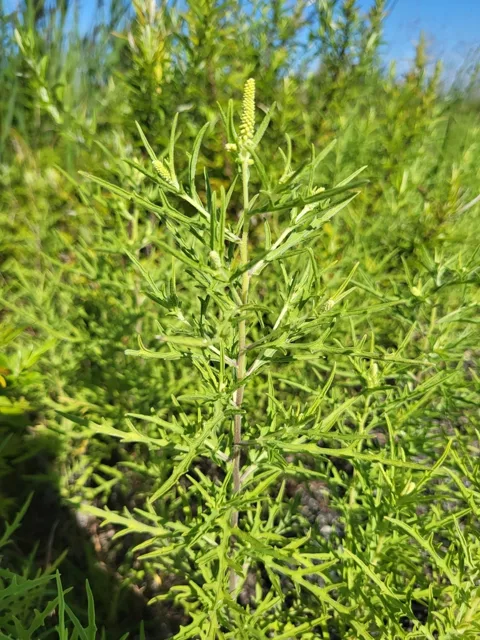
Ambrosia psilostachya
A persistent perennial ragweed; allergy detail still under reviewAll List A — Eradicate entries are included in the coverage checklist. Statewide eradication requirements make these reporting priorities even where a plant is not yet widespread. CO-rules-2025.
Markdown: https://denson.github.io/colorado-weed-field-guide/biggest-concerns/index.md
Text fallback: https://denson.github.io/colorado-weed-field-guide/biggest-concerns/index.md.txt
Start here: https://denson.github.io/colorado-weed-field-guide/start.md
Source ledger: https://denson.github.io/colorado-weed-field-guide/provenance.json