Common ragweed
Discuss this plant with the guide — choose this profile as a possible match and prepare your observations for Colorado Plants & Practical Care.
Ambrosia artemisiifolia
Colorado native. N-ambrosia-artemisiifolia
Pollen allergy; skin irritation. Native status, garden use and noxious-weed class are separate from toxicity. Exposure help.
Still researching this plant
This is a sourced working profile. Evidence is incomplete for Dogs & cats, Other animals. Independent botanical and veterinary review is pending. Uncertainty is not a finding that the plant is safe.
Three views of this plant
Photos are source-identified examples, not a complete identification key. Check leaves, stems, flowers and fruit together. Locations are not assumed to be in Colorado.
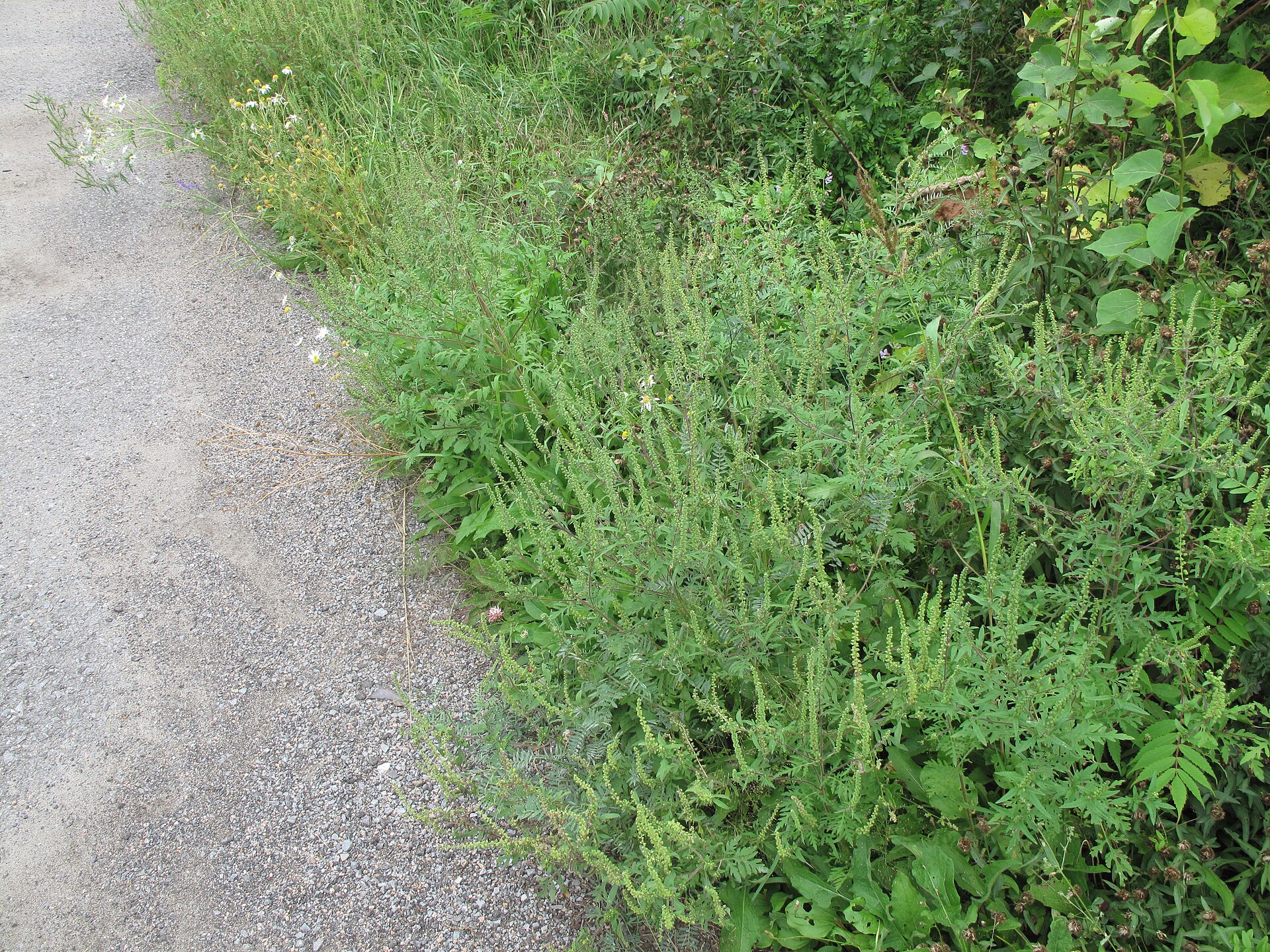
Ayotte, Gilles, 1948- · CC BY-SA 4.0
Photo source and identification
Original record · Original image


Wikimedia Commons source file title and species metadata identify the taxon. Visible morphology was checked for consistency, not treated as an independent botanical determination.
No edits to the downloaded image. Wikimedia may have supplied a scaled thumbnail; original and download URLs are recorded separately. Gallery display preserves the full image; the catalog preview uses a CSS crop.
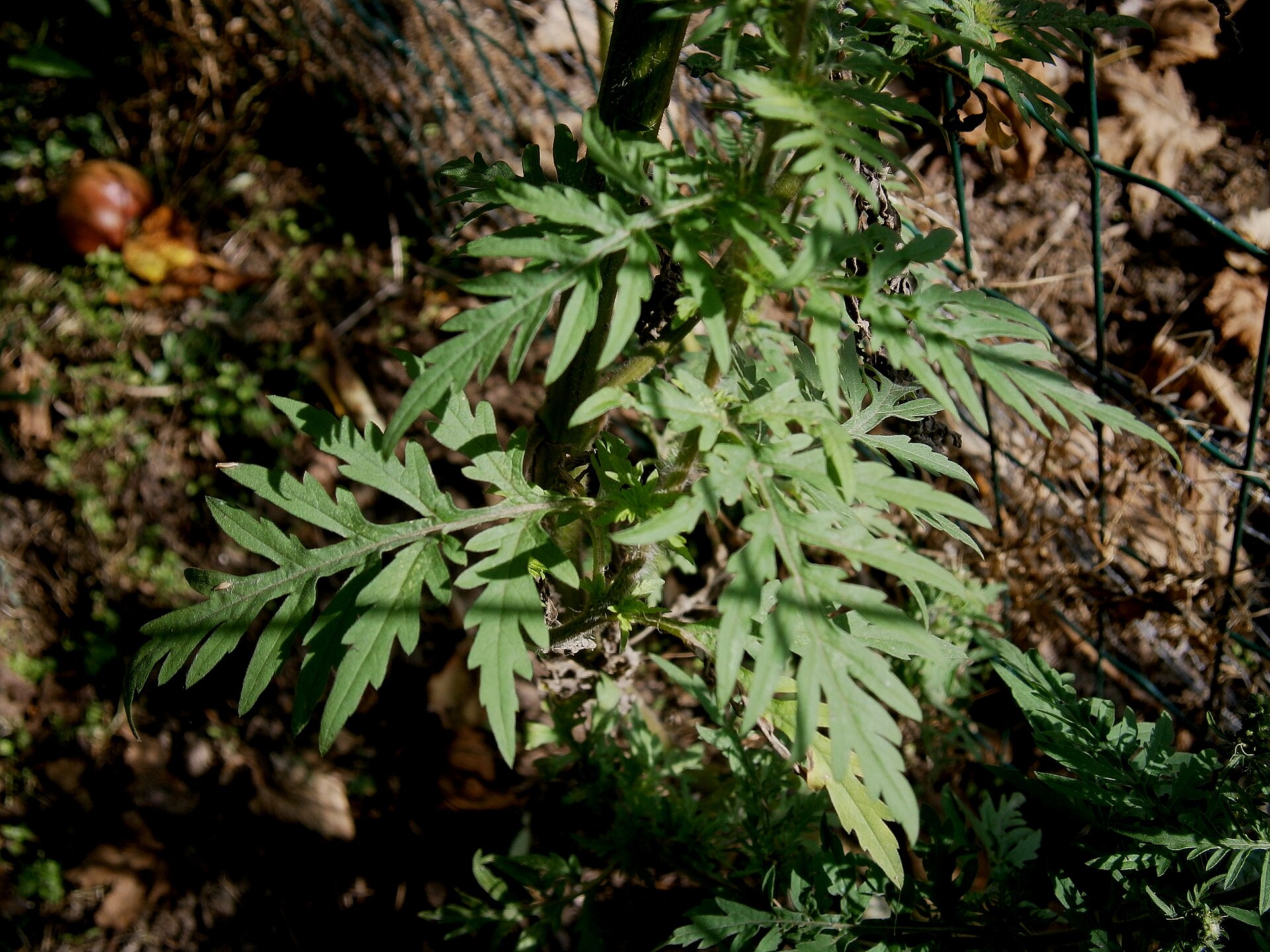
Meneerke bloem · CC BY-SA 3.0
Photo source and identification
Original record · Original image


Wikimedia Commons source file title and species metadata identify the taxon. Visible morphology was checked for consistency, not treated as an independent botanical determination.
No edits to the downloaded image. Wikimedia may have supplied a scaled thumbnail; original and download URLs are recorded separately. Gallery display preserves the full image; the catalog preview uses a CSS crop.
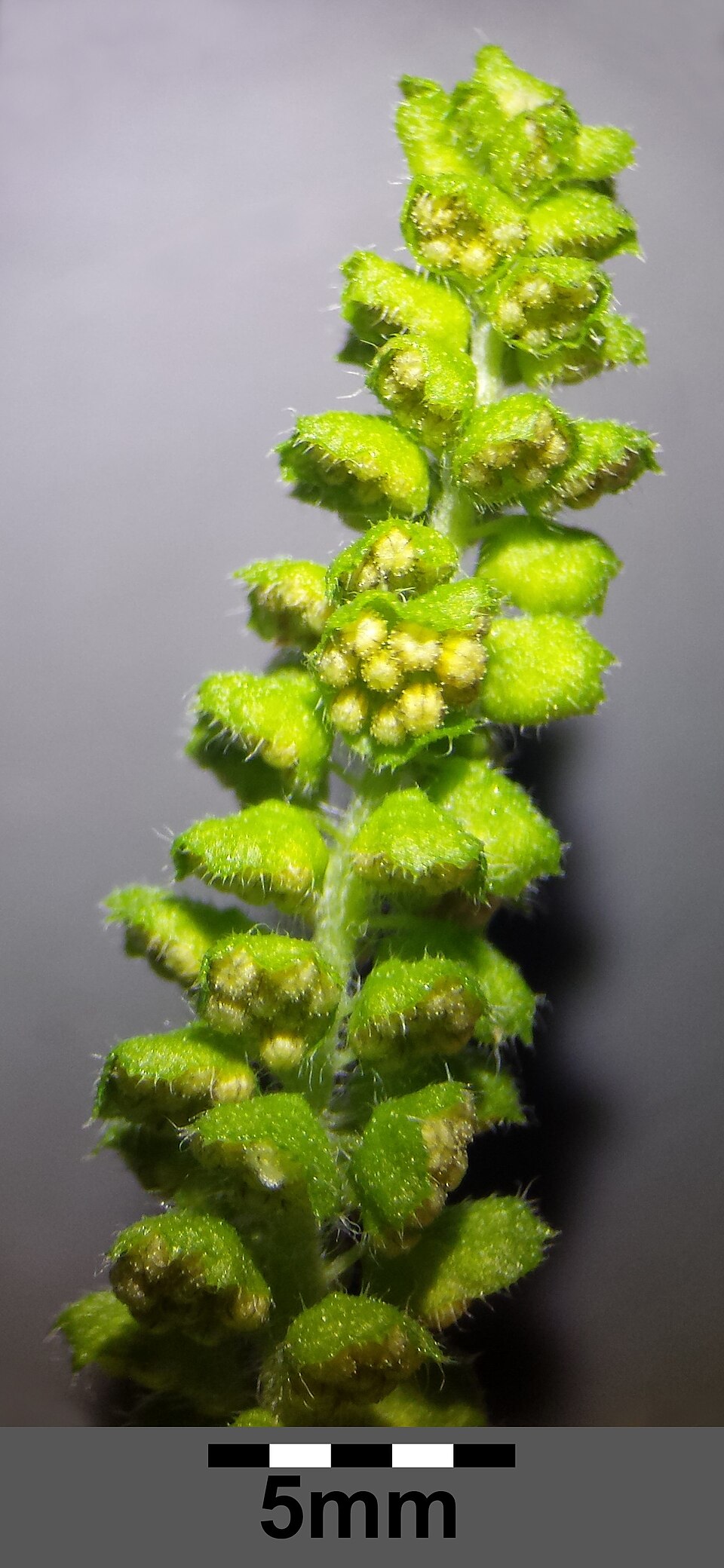
Stefan.lefnaer · CC BY-SA 4.0
Photo source and identification
Original record · Original image


Wikimedia Commons source file title and species metadata identify the taxon. Visible morphology was checked for consistency, not treated as an independent botanical determination.
No edits to the downloaded image. Wikimedia may have supplied a scaled thumbnail; original and download URLs are recorded separately. Gallery display preserves the full image; the catalog preview uses a CSS crop.
Recognize
An annual with deeply divided, fern-like leaves and inconspicuous green flower spikes. N-ambrosia-artemisiifolia
Plants & habitat
A dry-site volunteer that produces many persistent seeds; birds eat its seeds. Remove unwanted plants before flowering and seed set. N-ambrosia-artemisiifolia
People
Windborne pollen is a major cause of hay fever; contact dermatitis is also reported. N-ambrosia-artemisiifolia
Dogs & cats
Species-specific ingestion effects and exposure thresholds were not established in the reviewed sources. This is an evidence gap, not proof of safety.
Other animals
This review did not establish species-specific livestock toxicity. This is an evidence gap, not proof of safety.
Before taking action
Confirm the scientific name before removing a plant, changing animal access, or choosing treatment. An evidence gap means this review has not resolved the question. It does not mean safe. For listed weeds, consult your county weed program about the requirements for your location; follow the current label for any pesticide. S27
References
- N-ambrosia-artemisiifolia — Ambrosia artemisiifolia — Plant Toolbox, NC State Extension. Accessed 2026-09-07T00:23:56+00:00. Locator: Description, Attributes, Poisonous to Humans, Problems.