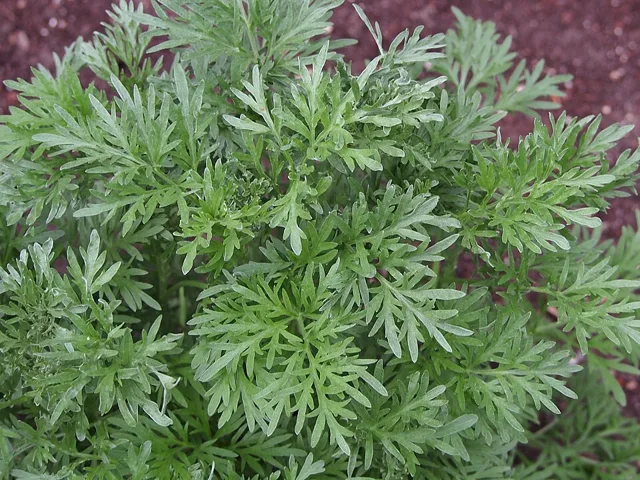
Artemisia absinthium
Ingestion toxicity and skin irritationList B — Stop the spread
Photo: Agnieszka Kwiecień, Nova · CC BY-SA 4.0 · Credits and sources
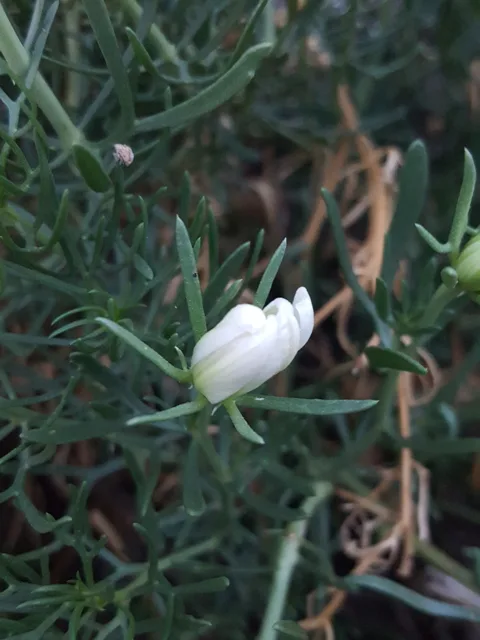
Peganum harmala
Highly poisonous if eaten; deep-rooted invaderList A — Eradicate
Photo: Alex Abair · CC BY 4.0 · Credits and sources
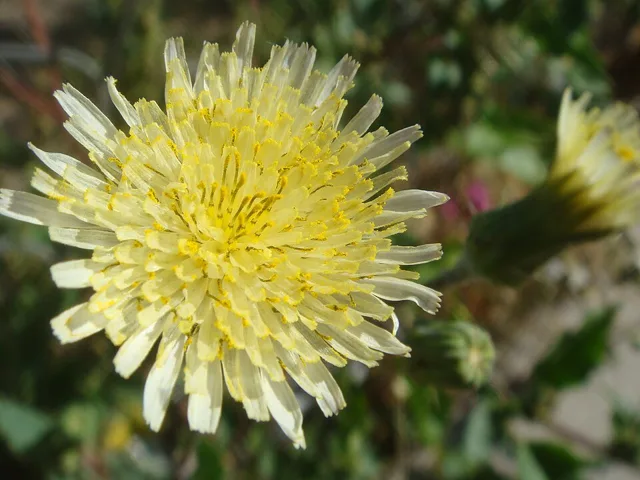
Sonchus oleraceus
Windborne seed and crop-pest hostingPhoto: Miwasatoshi · CC BY-SA 4.0 · Credits and sources
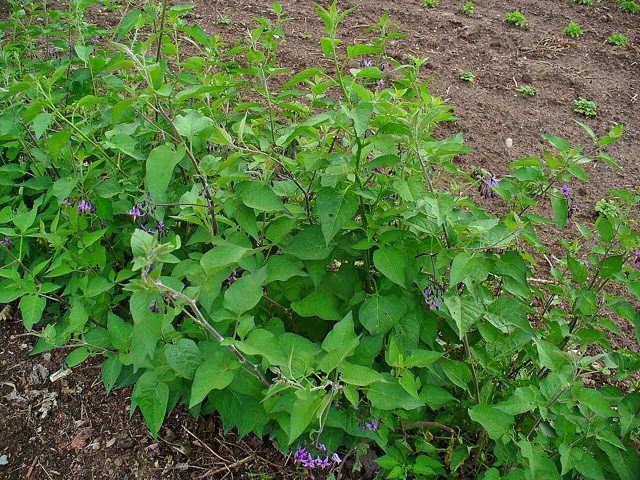
Solanum dulcamara
Poisonous berries and foliagePhoto: H. Zell · CC BY-SA 3.0 · Credits and sources
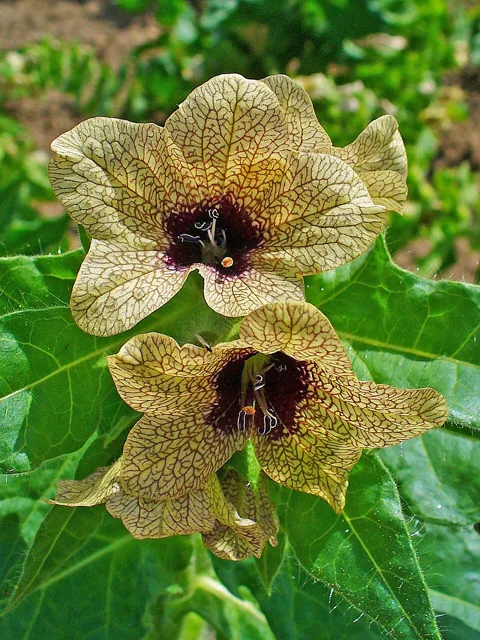
Hyoscyamus niger
Highly poisonous; keep animals awayList B — Stop the spread
Photo: H. Zell · CC BY-SA 3.0 · Credits and sources
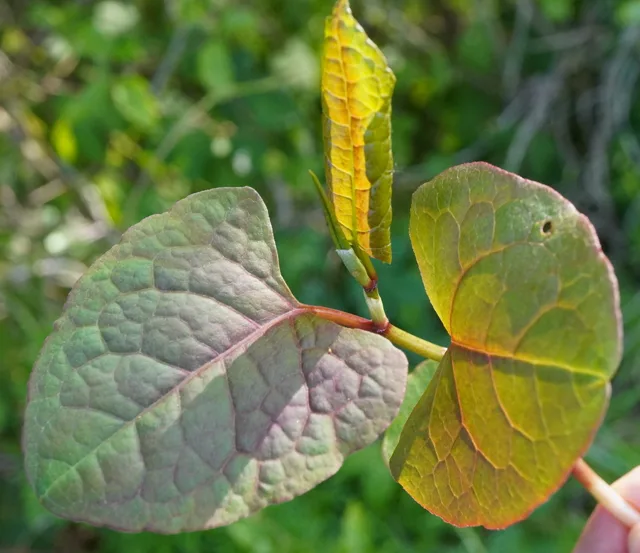
Reynoutria × bohemica
Hybrid regrows from small fragmentsList A — Eradicate
Photo: Patrick Hacker · CC BY 4.0 · Credits and sources
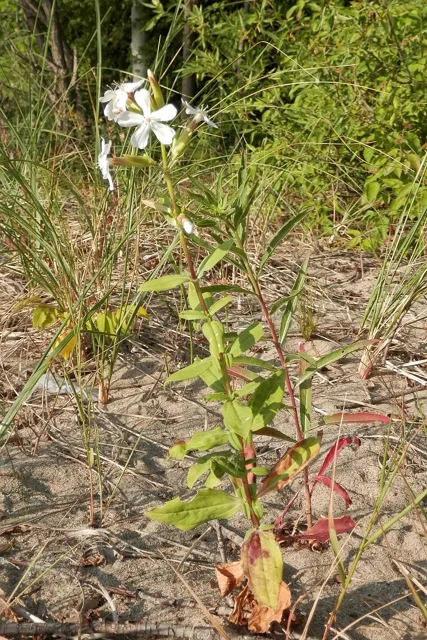
Saponaria officinalis
Saponins can cause digestive poisoningList B — Stop the spread
Photo: Ryan Hodnett · CC BY-SA 4.0 · Credits and sources
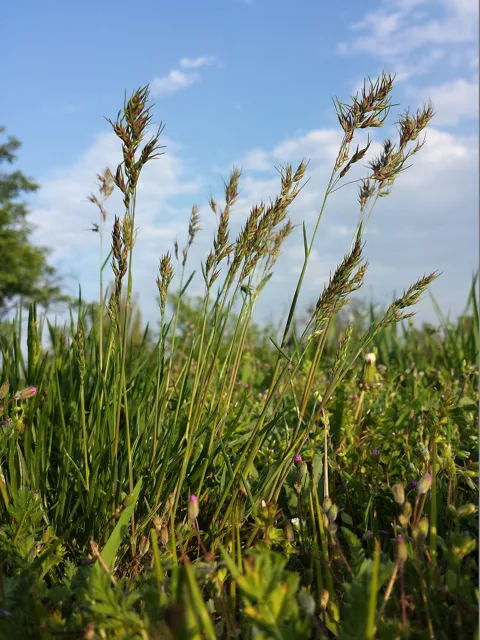
Poa bulbosa
Early-season grass spreads by bulbilsList C — Manage widespread weeds
Photo: Stefan.lefnaer · CC BY-SA 4.0 · Credits and sources
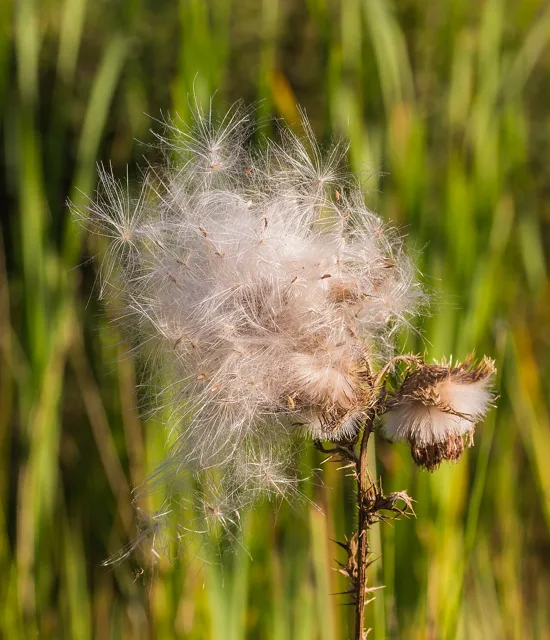
Cirsium vulgare
Sharp spines; competes with vegetationList B — Stop the spread
Photo: Dominicus Johannes Bergsma · CC BY-SA 4.0 · Credits and sources
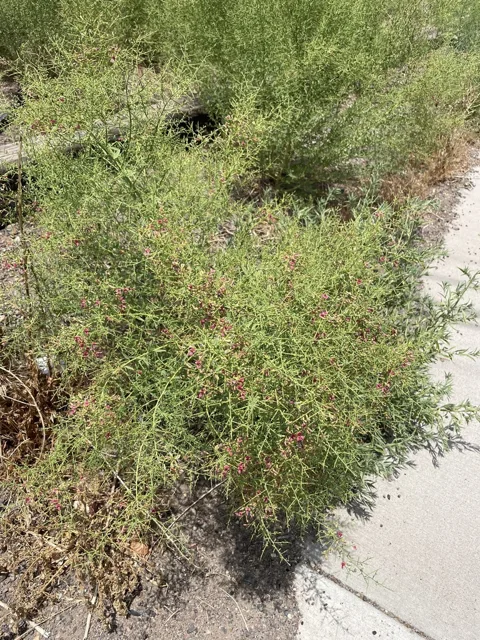
Alhagi maurorum
Thorns and deep spreading rootsList A — Eradicate
Photo: Jesse Rorabaugh · CC0 1.0 · Credits and sources
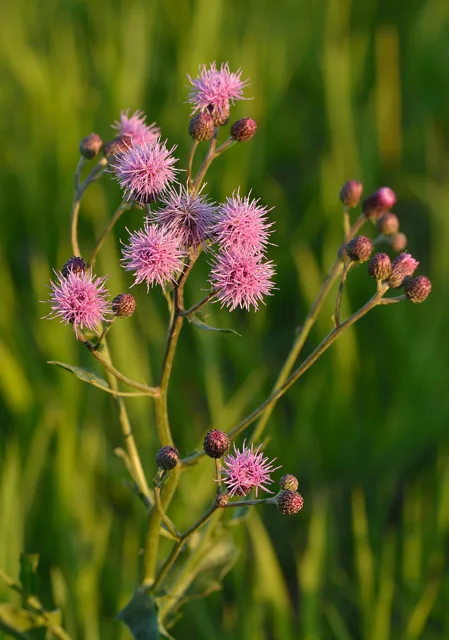
Cirsium arvense
Sharp spines; competes with vegetationList B — Stop the spread
Photo: Ivar Leidus · CC BY-SA 3.0 · Credits and sources
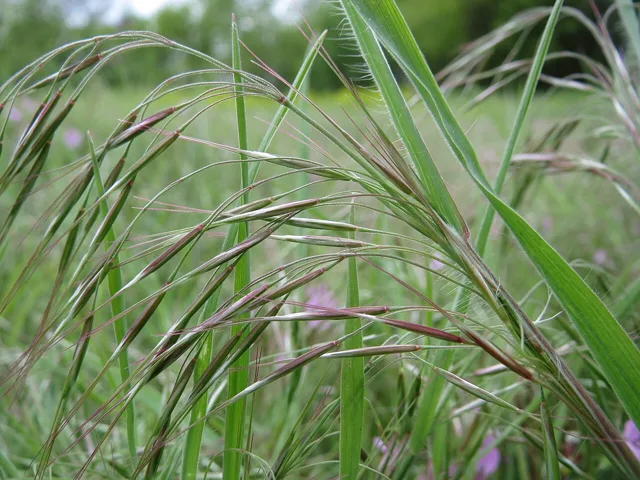
Bromus tectorum
Grass awns · Fire hazardList C — Manage widespread weeds
Photo: AnRo0002 · CC0 · Credits and sources
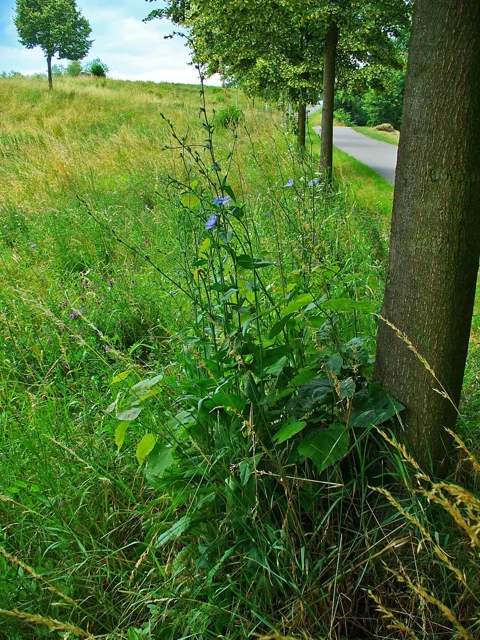
Cichorium intybus
Roadside and pasture spreadList C — Manage widespread weeds
Photo: H. Zell · CC BY-SA 3.0 · Credits and sources
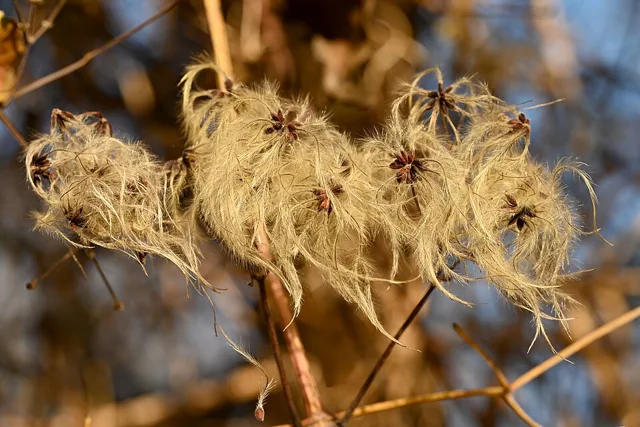
Clematis orientalis
Smothers vegetation; irritating plant compoundsList B — Stop the spread
Photo: Krzysztof Ziarnek, Kenraiz · CC BY-SA 4.0 · Credits and sources
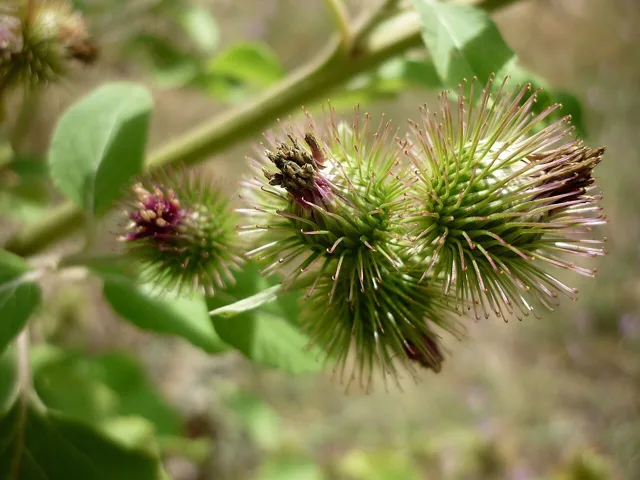
Arctium minus
Burs and fine bristles injure animalsList C — Manage widespread weeds
Photo: Isidre blanc · CC BY-SA 4.0 · Credits and sources
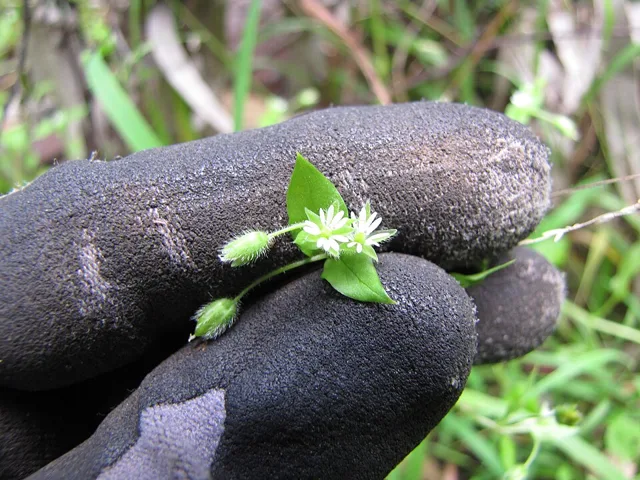
Stellaria media
A cool-season weed that can seed while still smallPhoto: Forest and Kim Starr · CC BY 3.0 us · Credits and sources
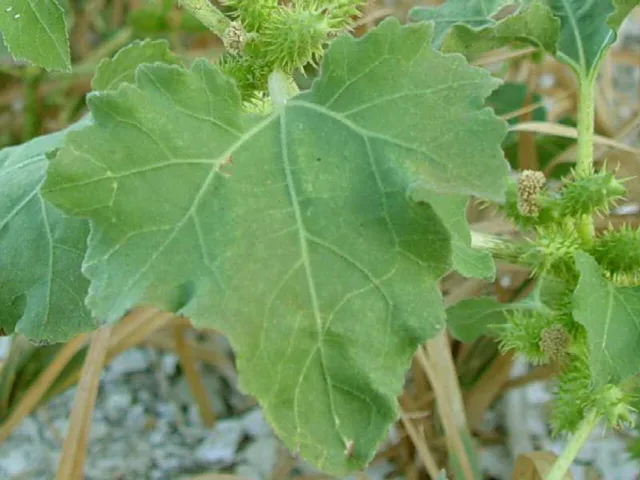
Xanthium strumarium
Burs catch in fur; seedlings and seeds are hazardousPhoto: Franco Folini · CC BY 2.5 · Credits and sources
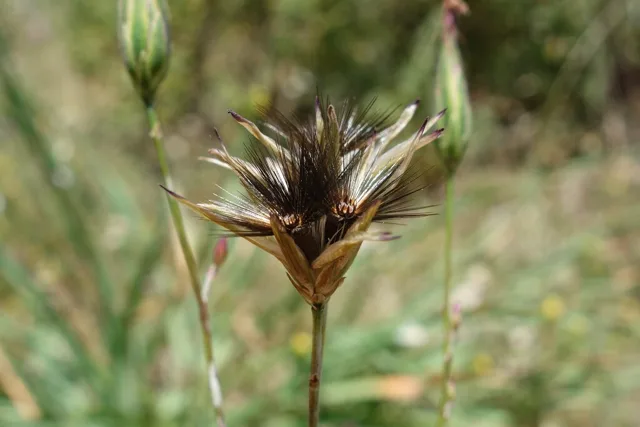
Crupina vulgaris
Dense stands reduce forageList A — Eradicate
Photo: Clément Maouche · CC BY 4.0 · Credits and sources
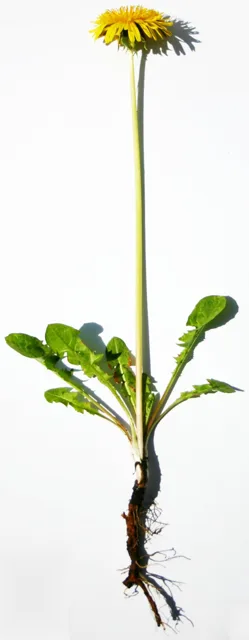
Taraxacum officinale
Persistent lawn volunteer; sap can irritate skinPhoto: FoeNyx · CC BY-SA 3.0 · Credits and sources
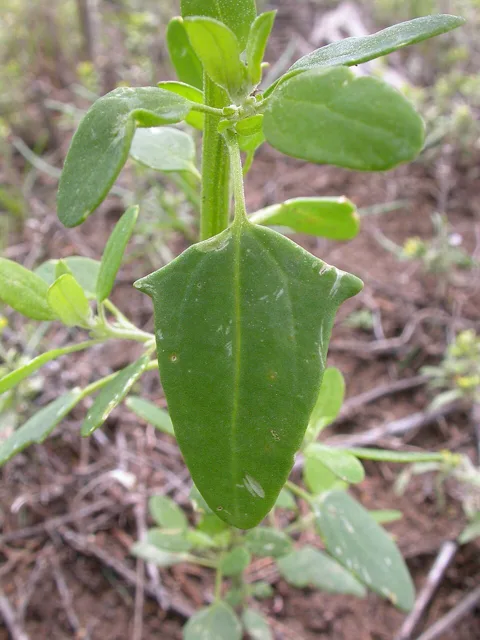
Chenopodium album
Prolific garden weed; ingestion cautionPhoto: Matt Lavin · CC BY-SA 2.0 · Credits and sources
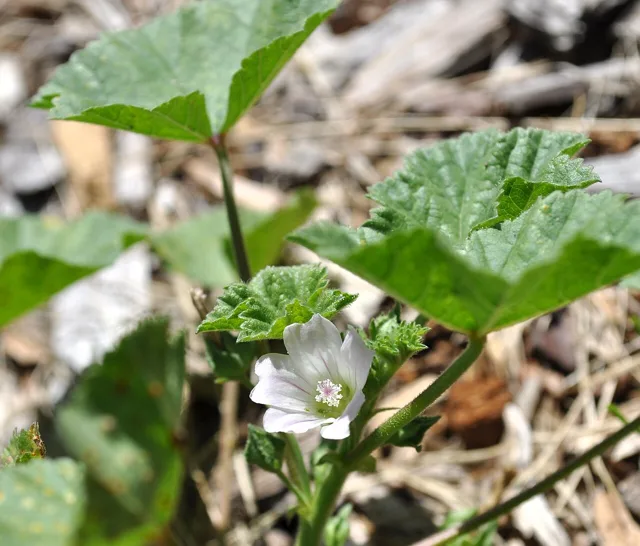
Malva neglecta
Tough taproot and persistent lawn seedbankPhoto: NY State IPM Program at Cornell University from New York, USA · CC BY 2.0 · Credits and sources
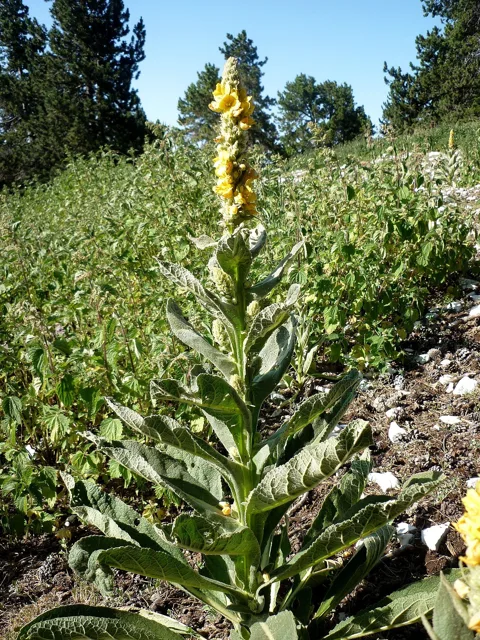
Verbascum thapsus
Dense rosettes and persistent volunteersList C — Manage widespread weeds
Photo: Isidre blanc · CC BY-SA 4.0 · Credits and sources
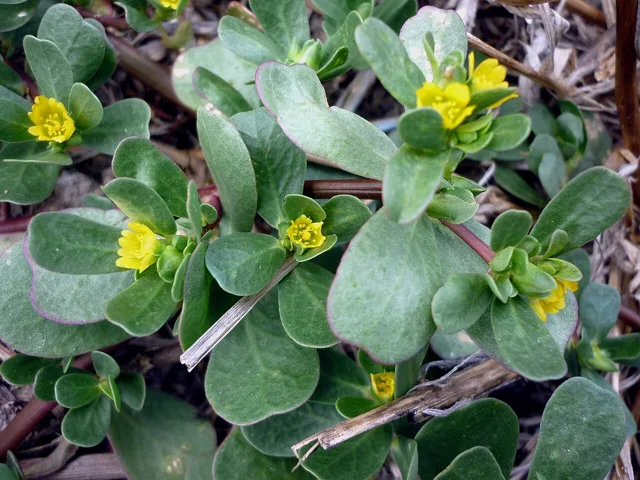
Portulaca oleracea
Pet ingestion hazard despite human food usesPhoto: Isidre blanc · CC BY-SA 4.0 · Credits and sources
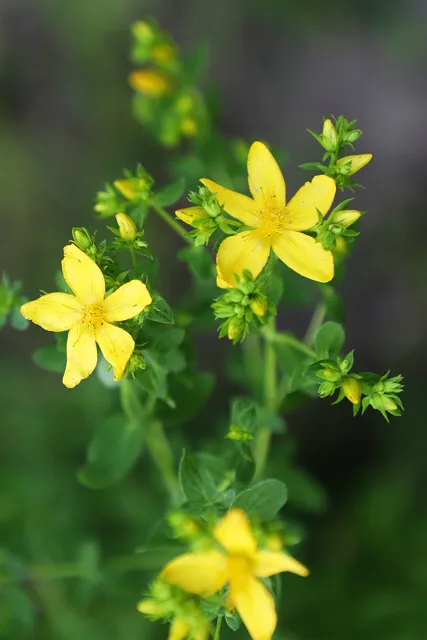
Hypericum perforatum
Photosensitivity and animal exposure concernsList C — Manage widespread weeds
Photo: W. Bulach · CC BY-SA 4.0 · Credits and sources
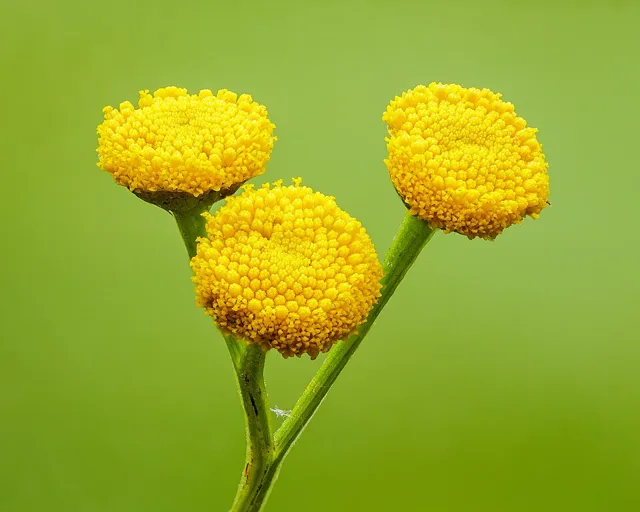
Tanacetum vulgare
Toxic ingestion; contact dermatitisList B — Stop the spread
Photo: Agnes Monkelbaan · CC BY-SA 4.0 · Credits and sources
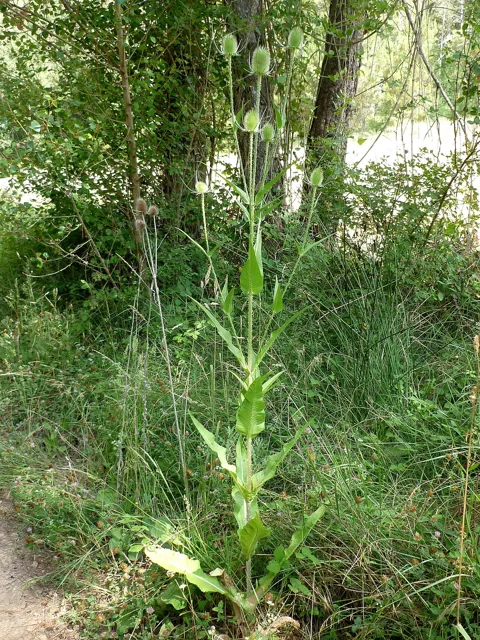
Dipsacus fullonum
Prickly heads; prolific seed spreadList B — Stop the spread
Photo: Isidre blanc · CC BY-SA 4.0 · Credits and sources
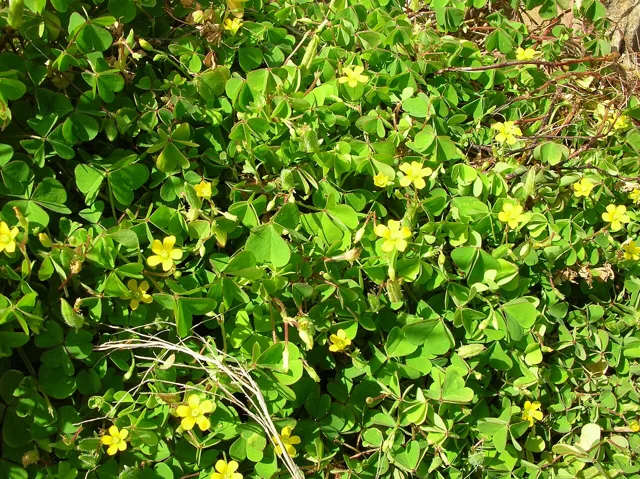
Oxalis corniculata
Oxalate-containing plant; keep pets from grazingPhoto: Forest & Kim Starr · CC BY 3.0 · Credits and sources
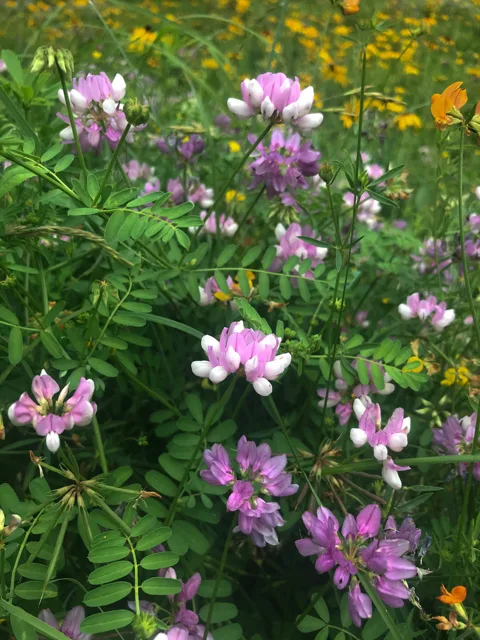
Securigera varia
Toxic to horses; spreading roots can smother vegetationPhoto: Dale Knox · CC0 1.0 · Credits and sources
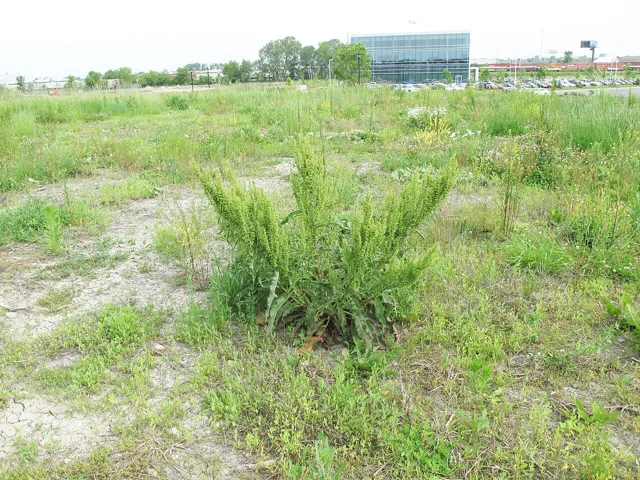
Rumex crispus
Soluble oxalates; persistent roots and seedsPhoto: Ayotte, Gilles, 1948- · CC BY-SA 4.0 · Credits and sources
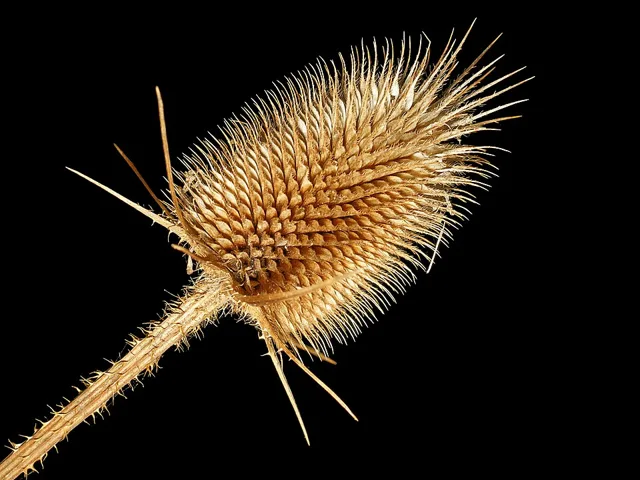
Dipsacus laciniatus
Prickly stands can displace native vegetationList B — Stop the spread
Photo: Alexander Klink · CC BY 3.0 · Credits and sources
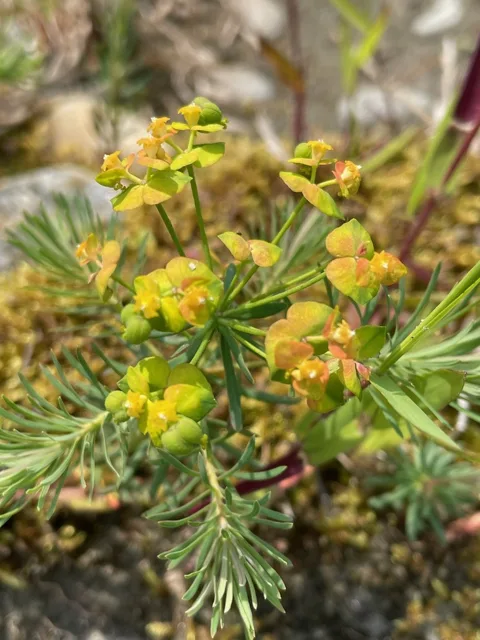
Euphorbia cyparissias
Sap can injure skin and eyesList A — Eradicate
Photo: Tom Scavo · CC BY 4.0 · Credits and sources
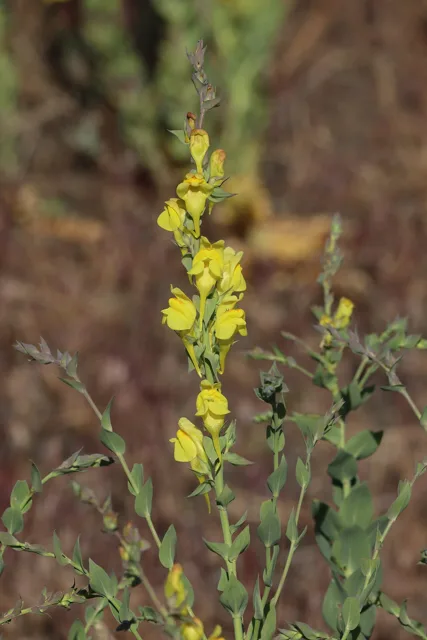
Linaria dalmatica
Spreads from roots; livestock concernList B — Stop the spread
Photo: Walter Siegmund (talk) · CC BY-SA 4.0 · Credits and sources
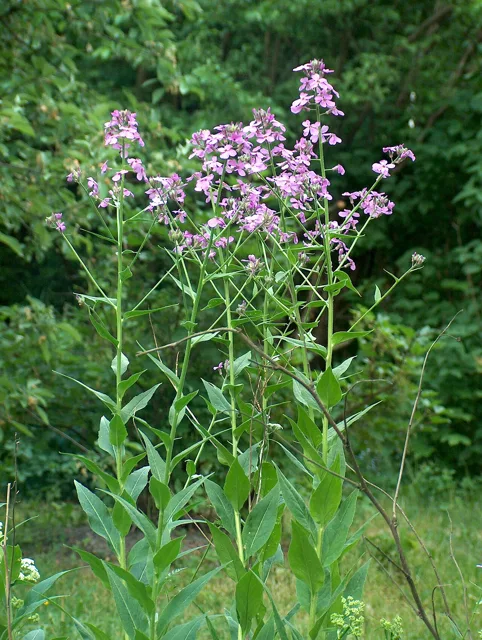
Hesperis matronalis
Escapes gardens and spreadsList B — Stop the spread
Photo: Anneli Salo · CC BY-SA 3.0 · Credits and sources
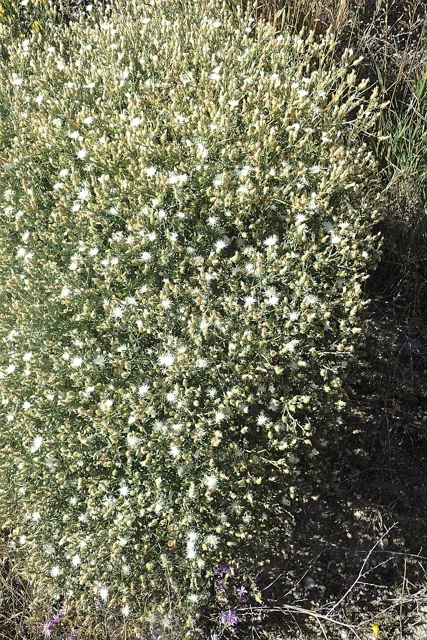
Centaurea diffusa
Skin irritation; tumbling seed spreadList B — Stop the spread
Photo: Kenraiz · CC BY-SA 4.0 · Credits and sources
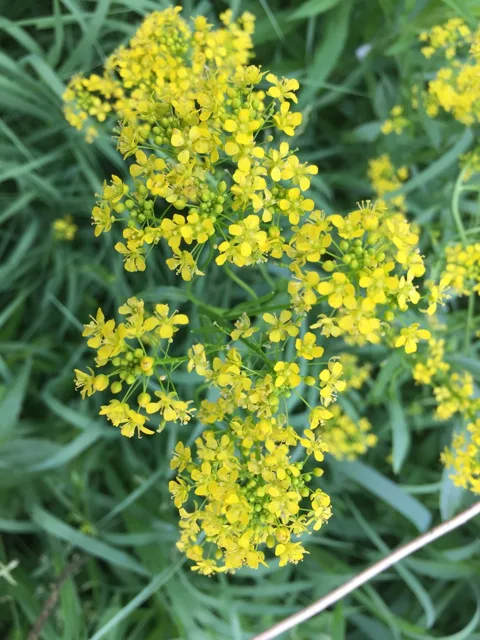
Isatis tinctoria
Persistent seed spreadList A — Eradicate
Photo: Reuven Martin · CC0 1.0 · Credits and sources
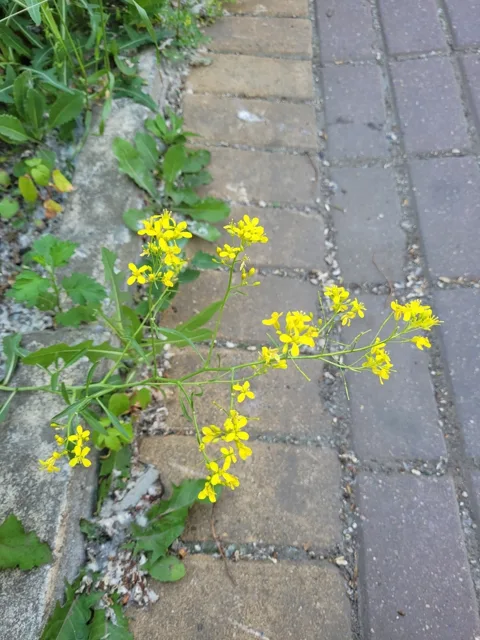
Brassica elongata
Early detection priority in dry disturbed landList A — Eradicate
Photo: Dmitriy Bochkov · CC BY 4.0 · Credits and sources
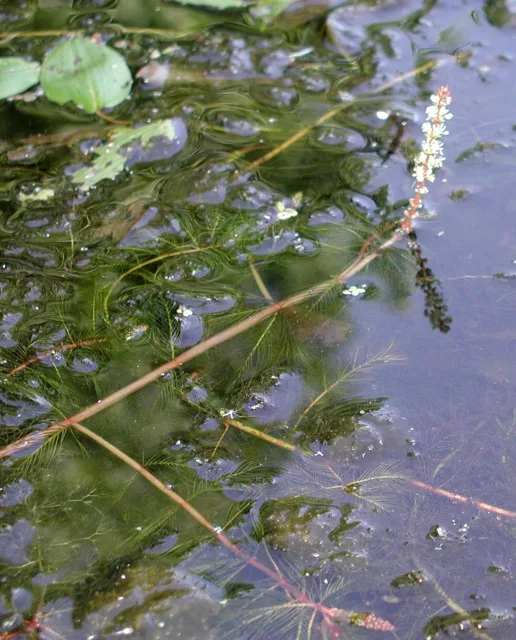
Myriophyllum spicatum
Fragments spread dense aquatic growthList B — Stop the spread
Photo: Leslie J. Mehrhoff, University of Connecticut, Bugwood.org · CC BY 3.0 us · Credits and sources
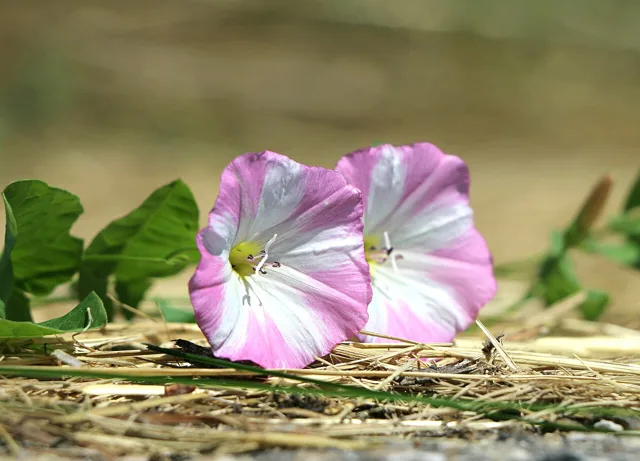
Convolvulus arvensis
Smothers plants; livestock concernList C — Manage widespread weeds
Photo: Svklimkin · CC BY-SA 4.0 · Credits and sources
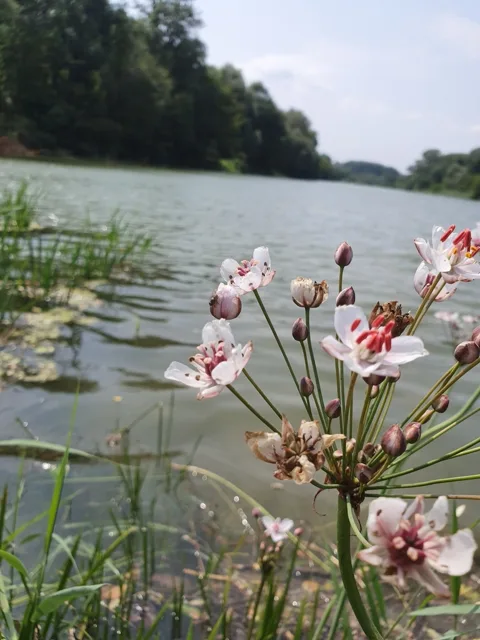
Butomus umbellatus
Small fragments spread aquatic coloniesList A — Eradicate
Photo: Jacek Pietruszewski · CC BY 4.0 · Credits and sources
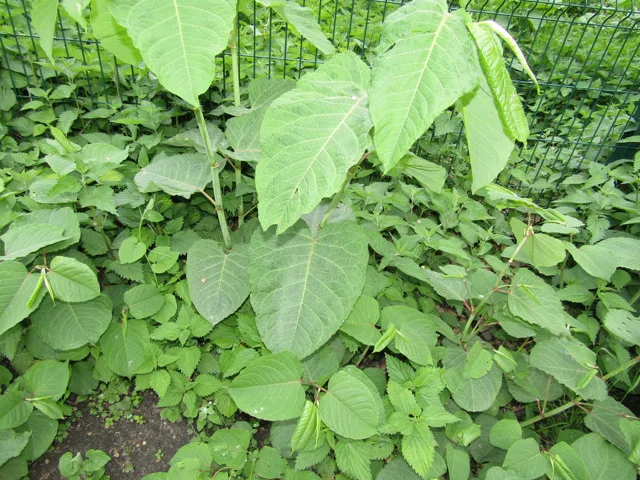
Reynoutria sachalinensis
Very persistent riparian coloniesList A — Eradicate
Photo: Oleksandr Shynder · CC BY 4.0 · Credits and sources
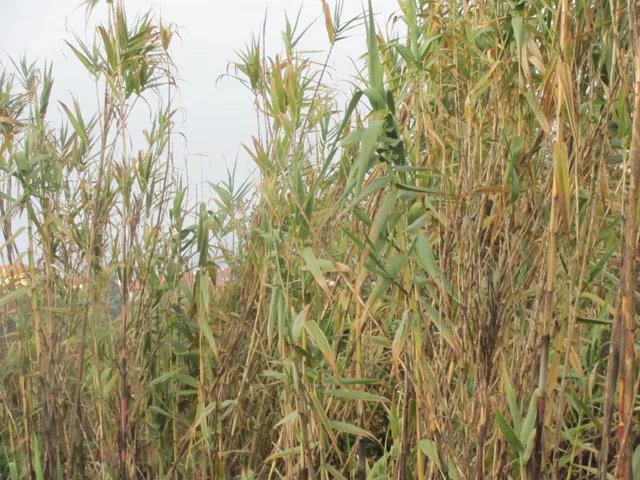
Arundo donax
Dense stands displace riparian plantsList A — Eradicate
Photo: zebedeugalinha · CC BY 4.0 · Credits and sources
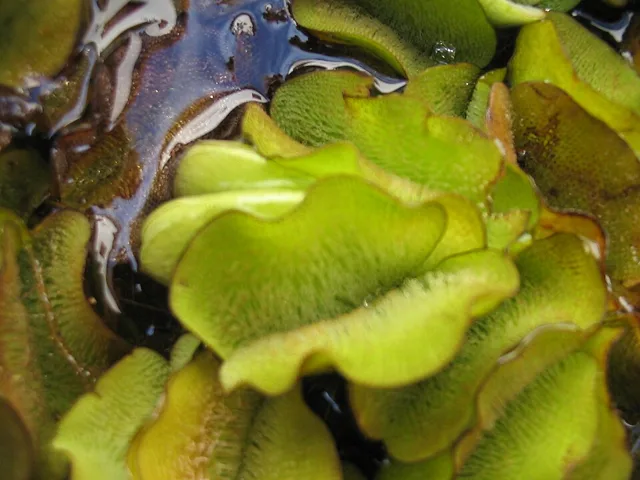
Salvinia molesta
Floating mats harm aquatic habitatList A — Eradicate
Photo: Ixitixel · CC BY-SA 3.0 · Credits and sources
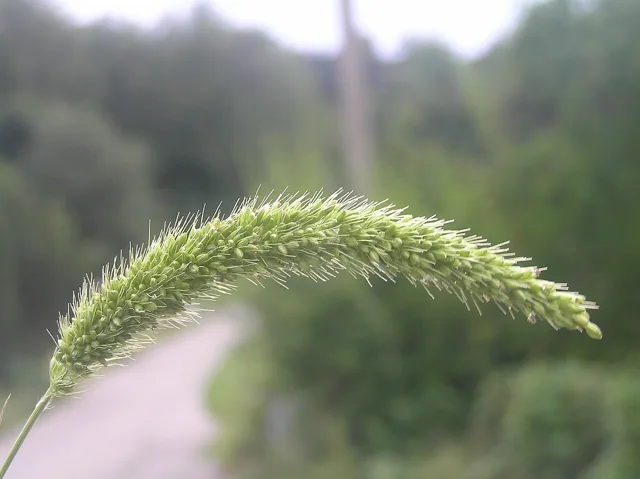
Setaria viridis
Identify the grass behind the name “foxtail”Photo: Petr Filippov · CC BY 3.0 · Credits and sources
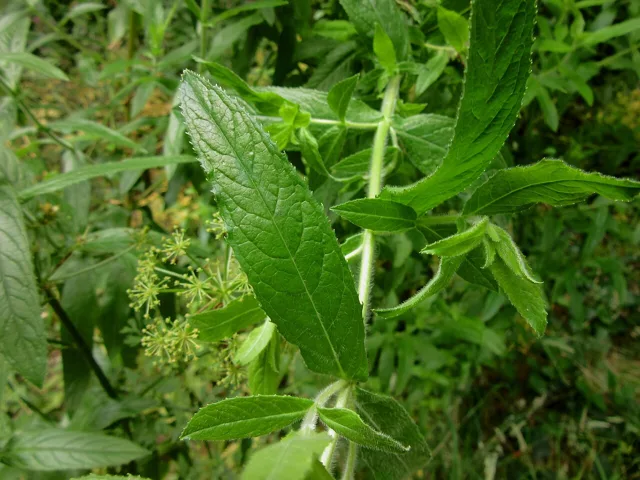
Epilobium hirsutum
Spreads through wetland vegetationList A — Eradicate
Photo: Mathias keraudren · CC0 · Credits and sources
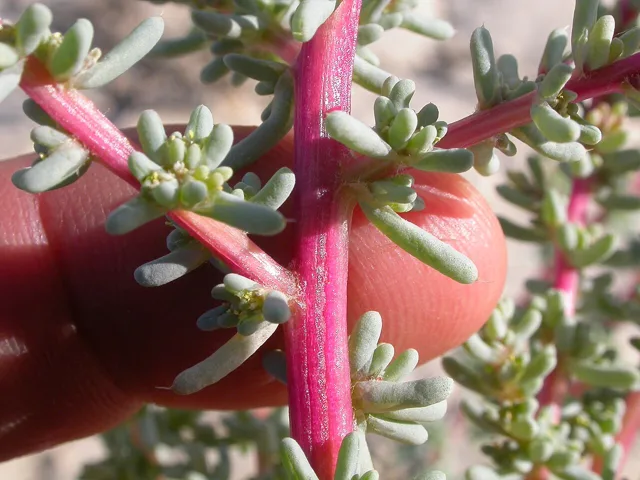
Halogeton glomeratus
Severe oxalate poisoning in livestockList C — Manage widespread weeds
Photo: Matt Lavin from Bozeman, Montana, USA · CC BY-SA 2.0 · Credits and sources
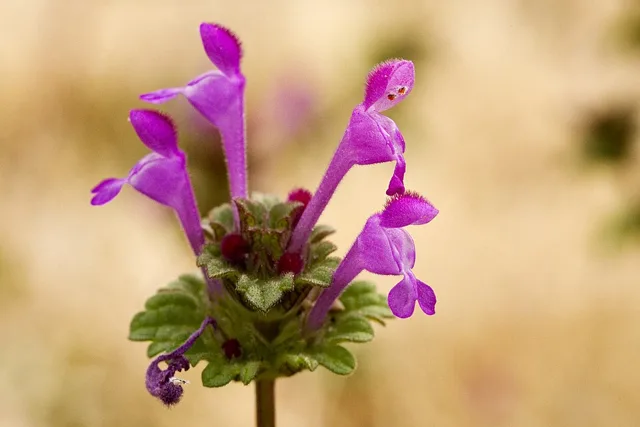
Lamium amplexicaule
An early-flowering weed with useful nectarPhoto: Patrick Alexander from Las Cruces, NM · CC0 · Credits and sources
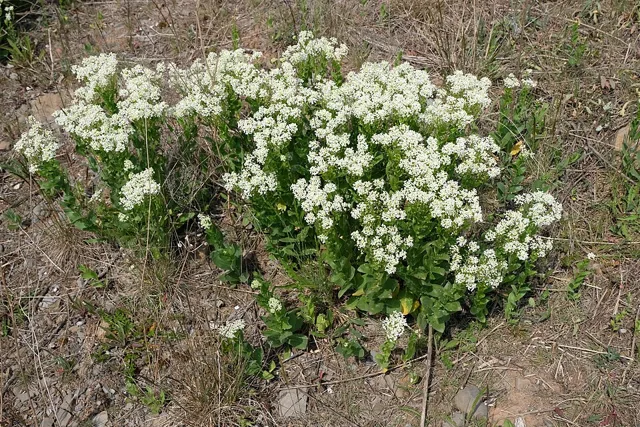
Lepidium draba
Spreading roots; possible livestock poisoningList B — Stop the spread
Photo: Katrin Schneider / korina.info · CC BY-SA 4.0 · Credits and sources
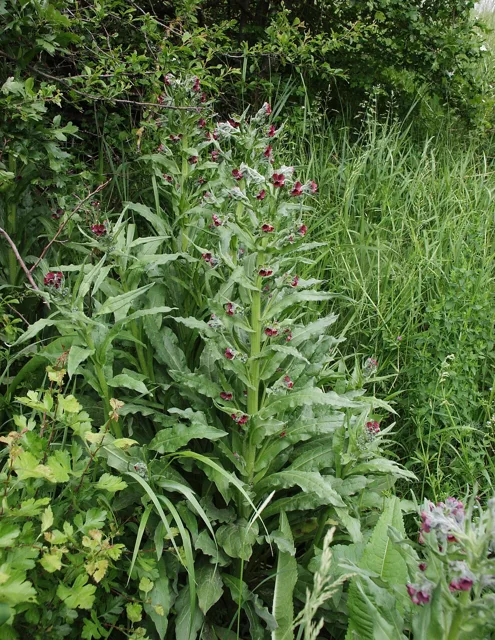
Cynoglossum officinale
Toxic to livestockList B — Stop the spread
Photo: Bernd Haynold · CC BY 2.5 · Credits and sources
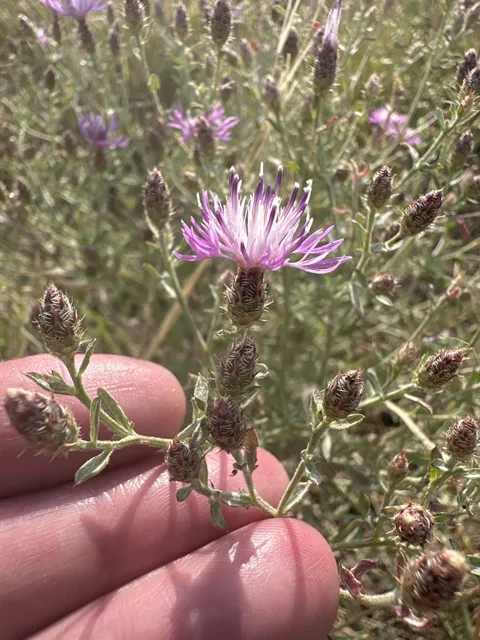
Centaurea × psammogena
Hybrid identification needs expert reviewList B — Stop the spread
Photo: Tyler · CC0 1.0 · Credits and sources
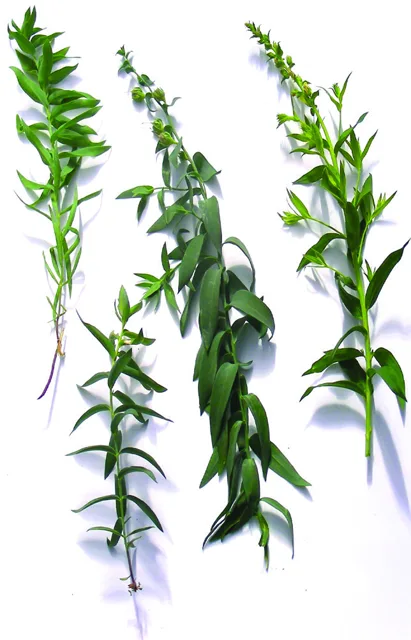
Linaria vulgaris × Linaria dalmatica
Variable hybrid; persistent spreading rootsList B — Stop the spread
Photo: Sharlene E. Sing, USDA Forest Service, Rocky Mountain Research Station · Public domain (U.S. federal employee work) · Credits and sources
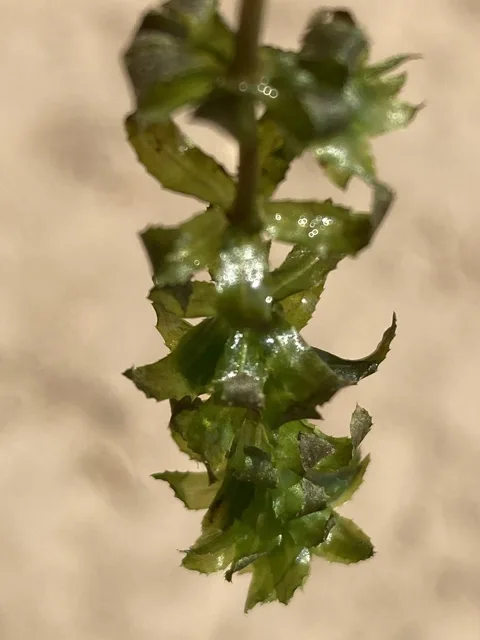
Hydrilla verticillata
Dense aquatic growth; wildlife disease associationList A — Eradicate
Photo: Stanislav Murashkin · CC BY 4.0 · Credits and sources
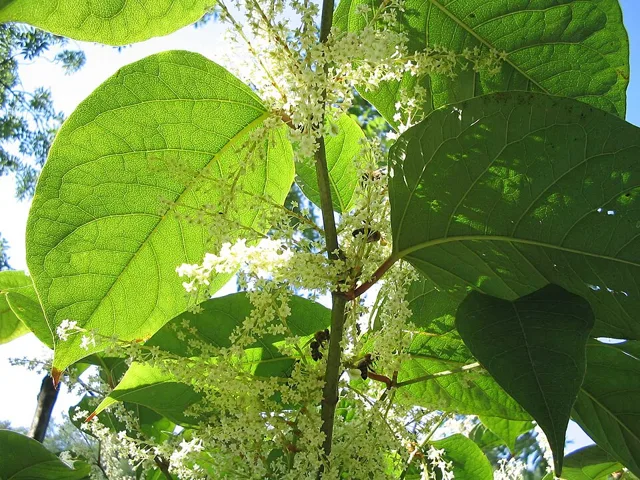
Reynoutria japonica
Root and stem fragments regrowList A — Eradicate
Photo: Michael Gasperl ( Migas ) · CC BY-SA 3.0 · Credits and sources
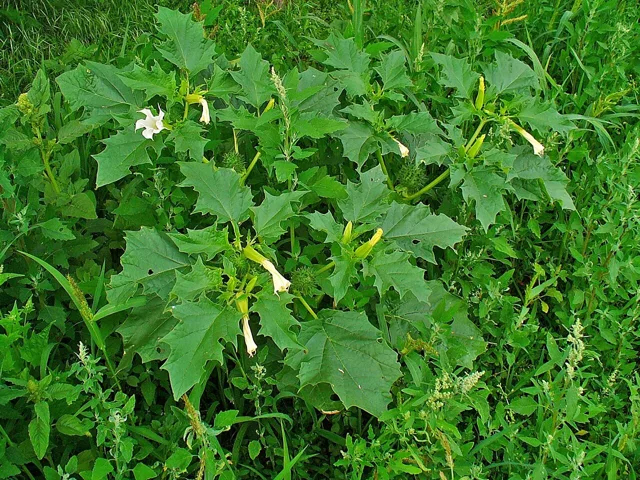
Datura stramonium
Serious poisoning risk to people and animalsPhoto: H. Zell · CC BY-SA 3.0 · Credits and sources
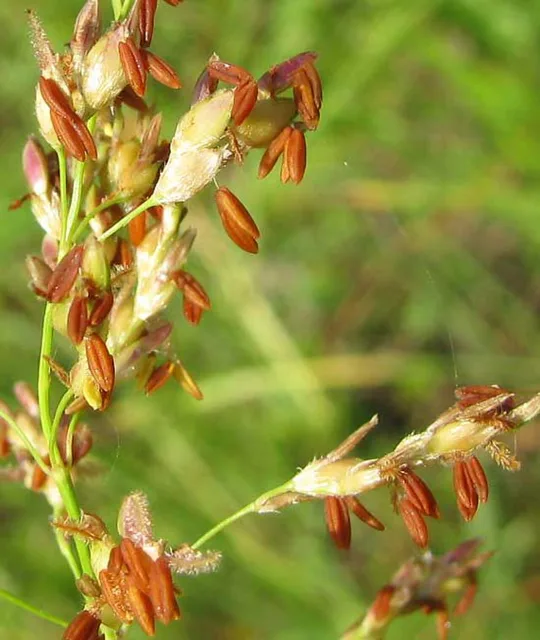
Sorghum halepense
Livestock cyanide risk; added fire fuelList C — Manage widespread weeds
Photo: Jim Conrad · Public domain · Credits and sources
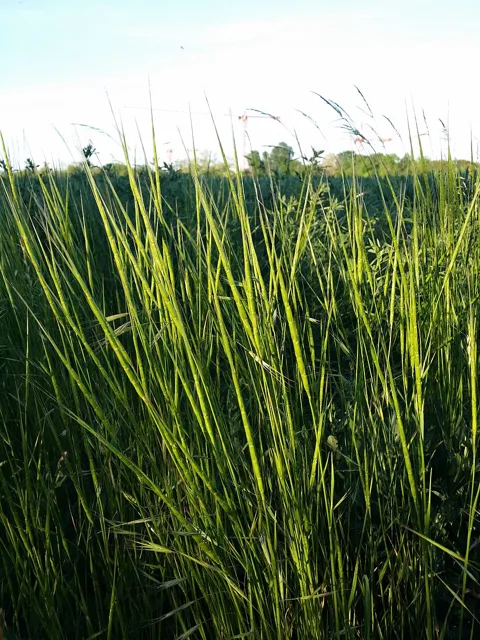
Aegilops cylindrica
Wheat-field and rangeland seed spreadList B — Stop the spread
Photo: Stefan.lefnaer · CC BY-SA 4.0 · Credits and sources
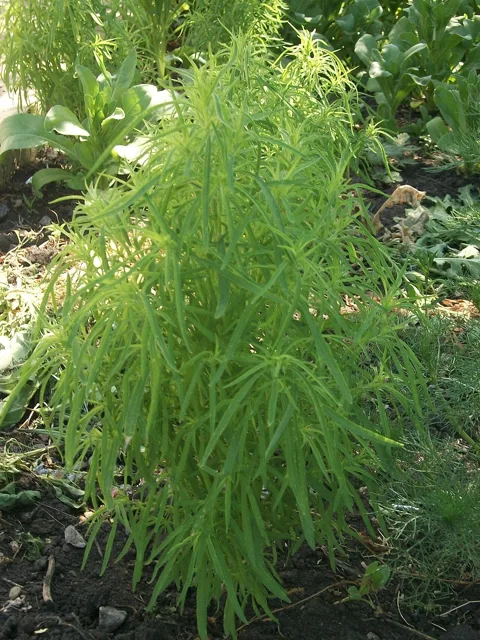
Bassia scoparia
Tumbling seed spread; livestock poisoning riskPhoto: WildBoar · Public domain · Credits and sources
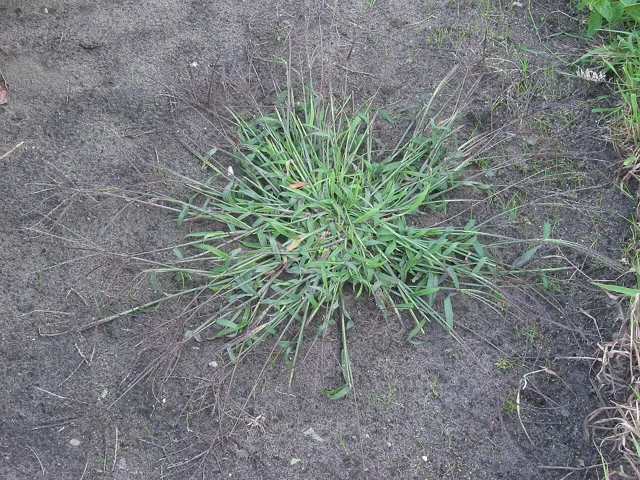
Digitaria sanguinalis
Fast seed production in thin lawnsPhoto: Rasbak · CC BY-SA 3.0 · Credits and sources
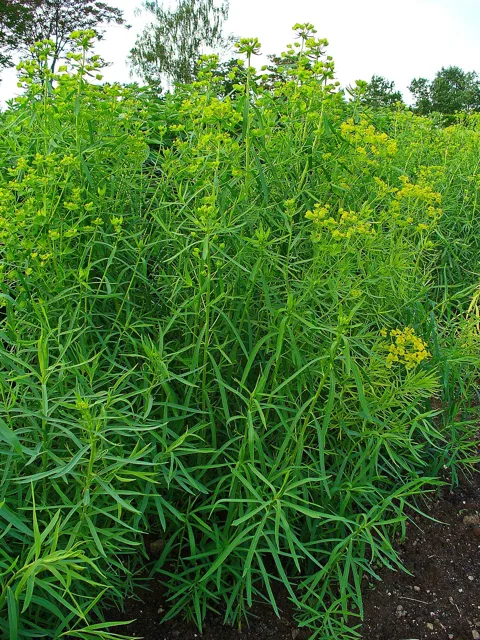
Euphorbia esula
Irritating sap; eye injury riskList B — Stop the spread
Photo: H. Zell · CC BY-SA 3.0 · Credits and sources
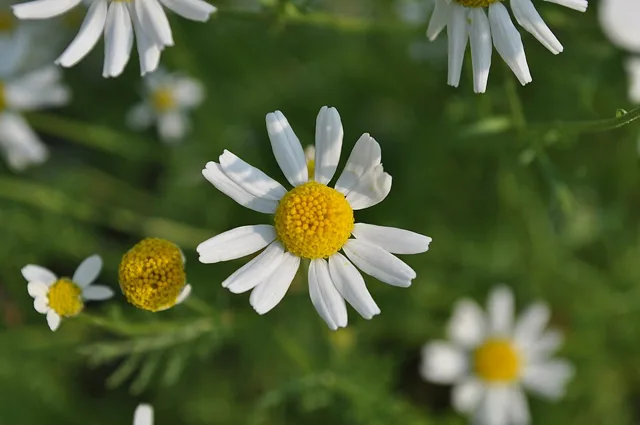
Anthemis cotula
Crop weed with unpleasant-smelling foliageList B — Stop the spread
Photo: NY State IPM Program at Cornell University from New York, USA · CC BY 2.0 · Credits and sources
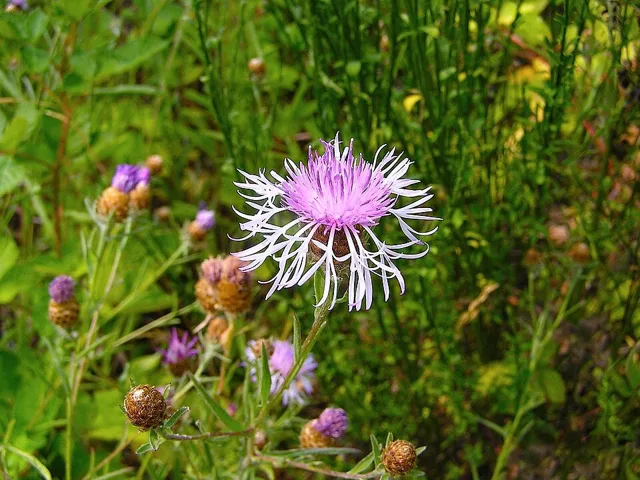
Centaurea × moncktonii
Outcompetes pasture and meadow plantsList A — Eradicate
Photo: Eric Coombs, Oregon Department of Agriculture, Bugwood.org · CC BY 3.0 us · Credits and sources
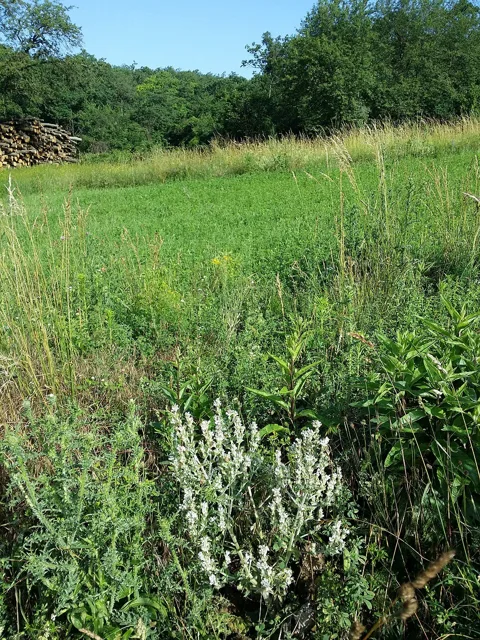
Salvia aethiopis
Tumbles and spreads seed through rangelandList A — Eradicate
Photo: Stefan.lefnaer · CC BY-SA 4.0 · Credits and sources
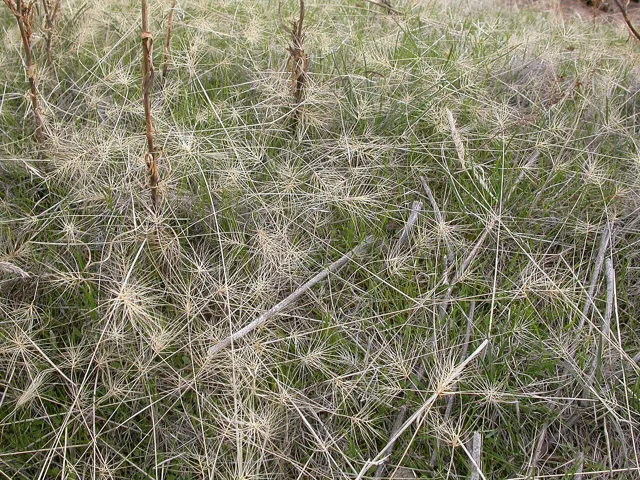
Taeniatherum caput-medusae
Barbed awns; persistent fire-promoting thatchList A — Eradicate
Photo: Matt Lavin from Bozeman, Montana, USA · CC BY-SA 2.0 · Credits and sources
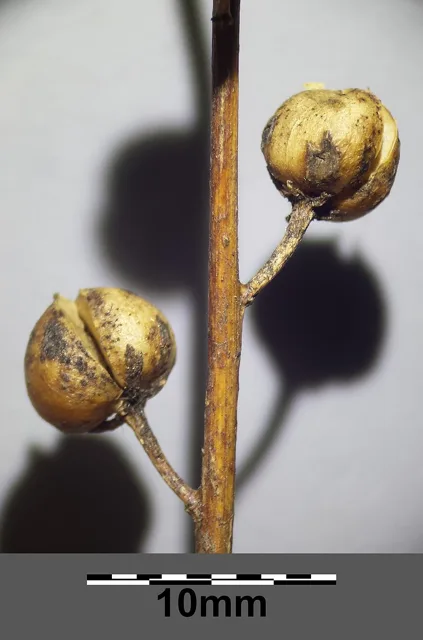
Verbascum blattaria
Long-lived seeds sustain infestationsList B — Stop the spread
Photo: Stefan.lefnaer · CC BY-SA 4.0 · Credits and sources
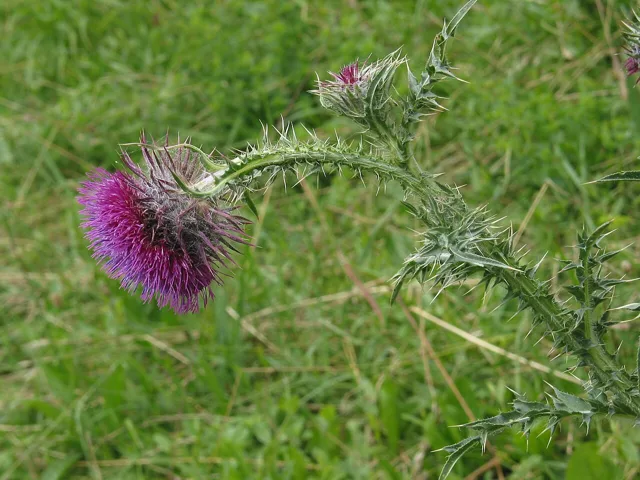
Carduus nutans
Sharp spines; competes with vegetationList B — Stop the spread
Photo: Robert Flogaus-Faust · CC BY 4.0 · Credits and sources
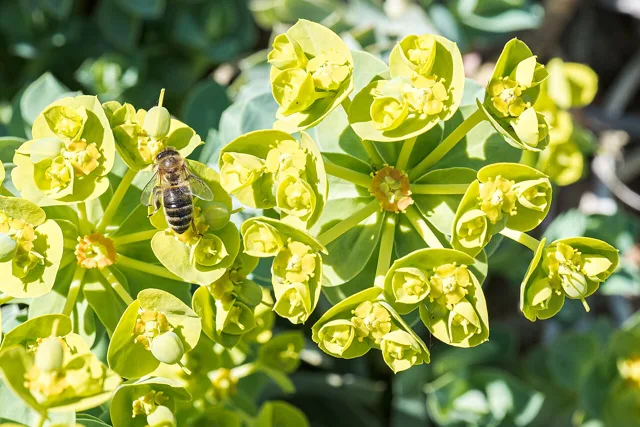
Euphorbia myrsinites
Poisonous · Eye & skin injuryList A — Eradicate
Photo: Flocci Nivis · CC BY 4.0 · Credits and sources
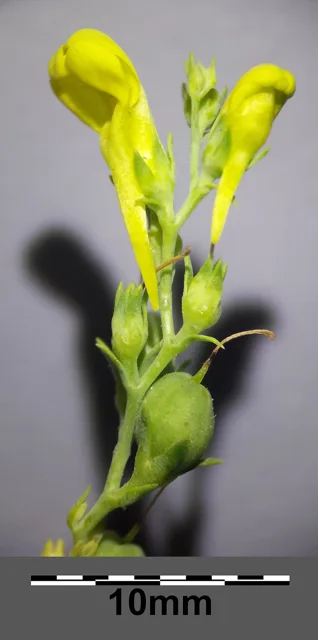
Linaria genistifolia
Listed taxon with difficult identificationList B — Stop the spread
Photo: Stefan.lefnaer · CC BY-SA 4.0 · Credits and sources
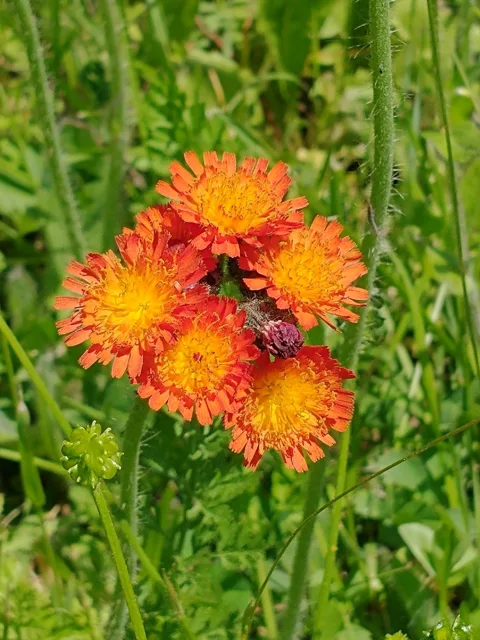
Pilosella aurantiaca
Runners crowd lawns and mountain meadowsList A — Eradicate
Photo: Tom Norton · CC BY 4.0 · Credits and sources
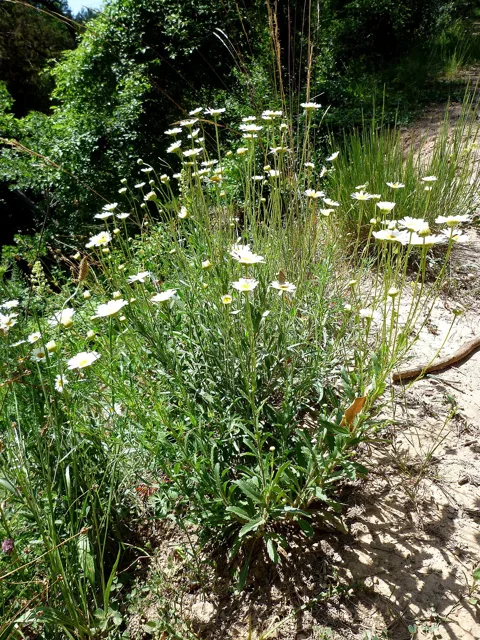
Leucanthemum vulgare
Toxic to dogs and cats; dermatitisList B — Stop the spread
Photo: Isidre blanc · CC BY-SA 4.0 · Credits and sources
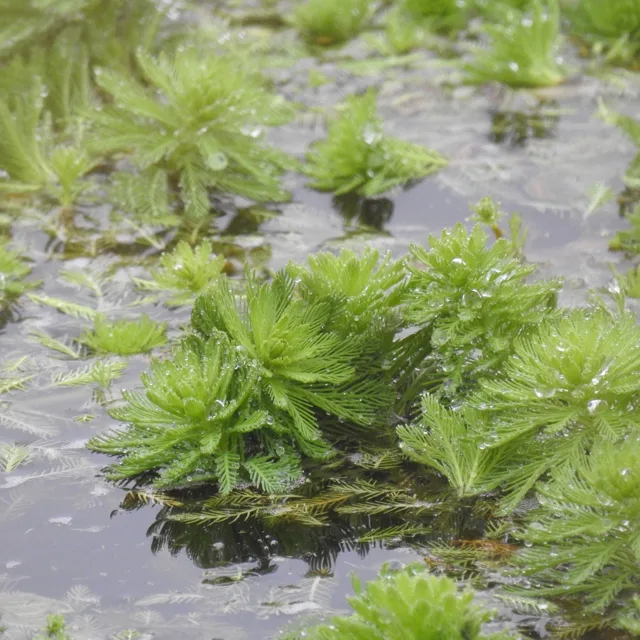
Myriophyllum aquaticum
Aquatic mats obstruct waterwaysList A — Eradicate
Photo: Quillipede · CC0 1.0 · Credits and sources
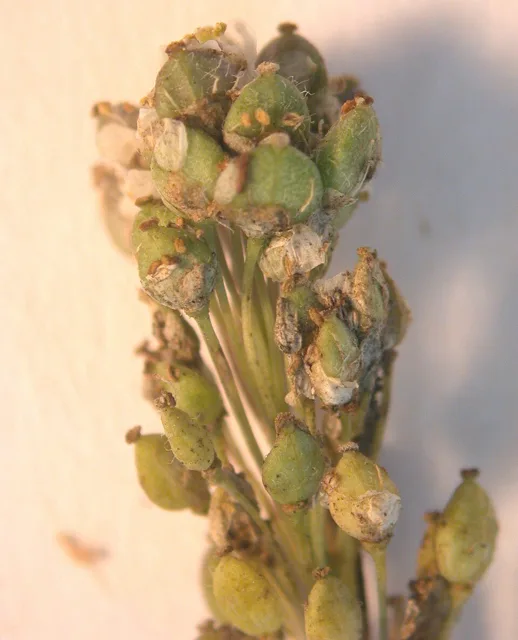
Lepidium latifolium
Deep roots form persistent wetland coloniesList B — Stop the spread
Photo: Ayotte, Gilles, 1948- · CC BY-SA 4.0 · Credits and sources
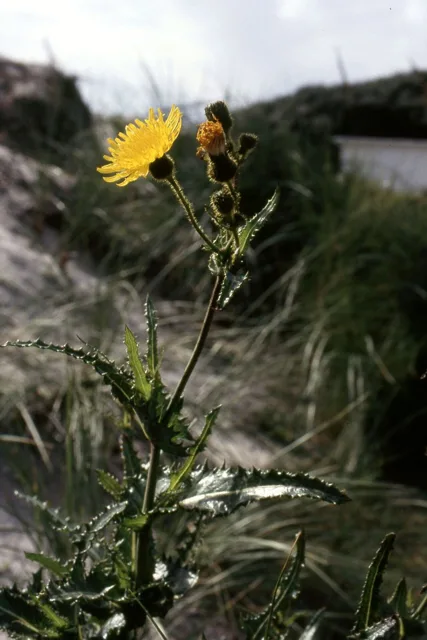
Sonchus arvensis
Persistent underground spreadList C — Manage widespread weeds
Photo: Gabriele Kothe-Heinrich · CC BY-SA 3.0 · Credits and sources
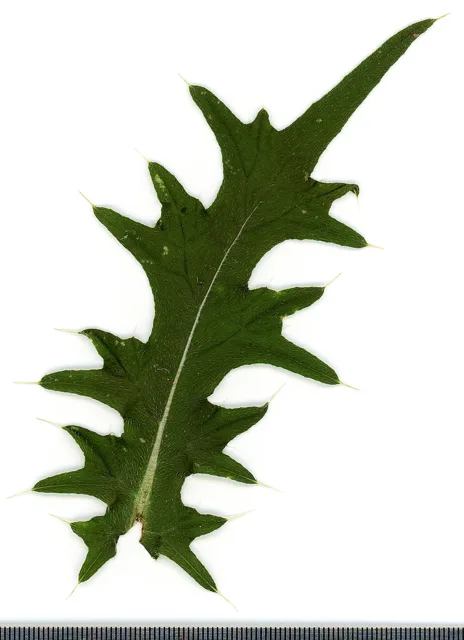
Carduus acanthoides
Sharp spines; pasture competitionList B — Stop the spread
Photo: Dmitry Makeev · CC BY-SA 4.0 · Credits and sources
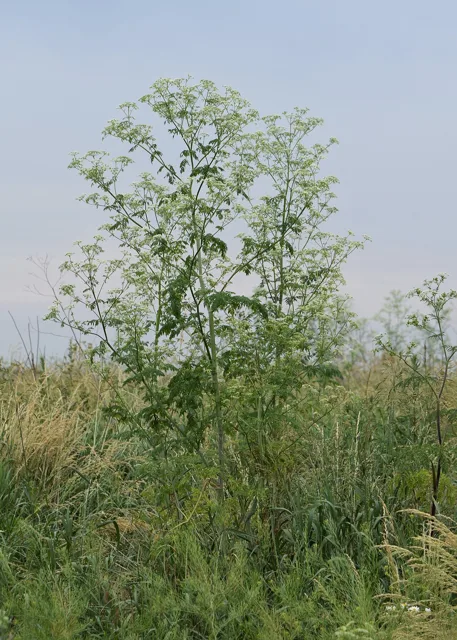
Conium maculatum
Poisonous to people & animalsList C — Manage widespread weeds
Photo: Krzysztof Ziarnek, Kenraiz · CC BY-SA 4.0 · Credits and sources
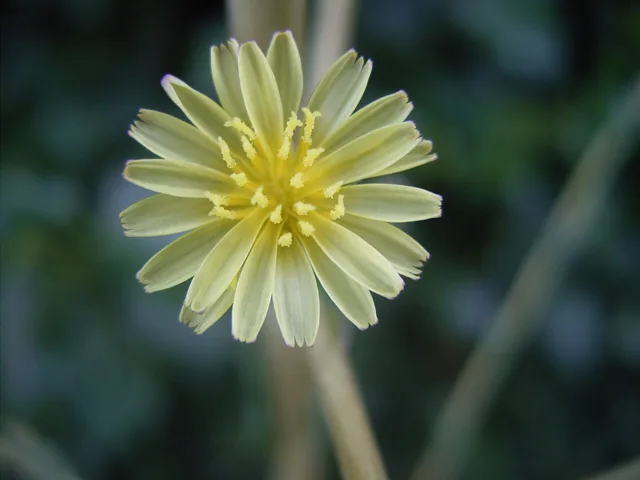
Lactuca serriola
Prickly leaves and prolific windborne seedPhoto: Teun Spaans (TeunSpaans) · Public domain · Credits and sources
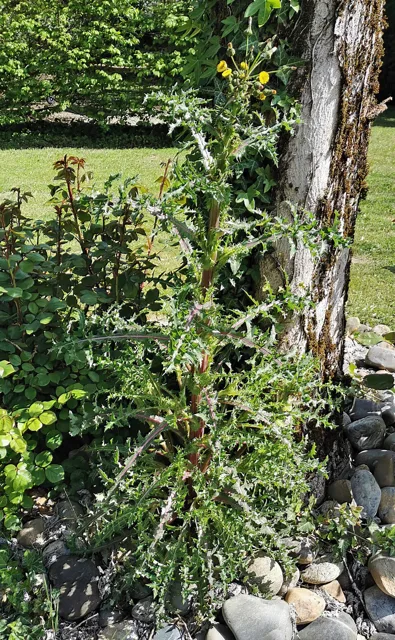
Sonchus asper
Spiny leaves and rapid seed productionPhoto: Didier Descouens · CC BY-SA 4.0 · Credits and sources
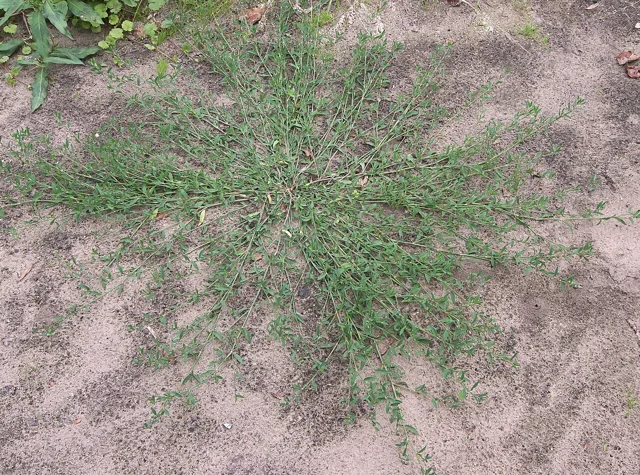
Polygonum aviculare
A mat-forming weed of compacted groundPhoto: Rasbak · CC BY-SA 3.0 · Credits and sources
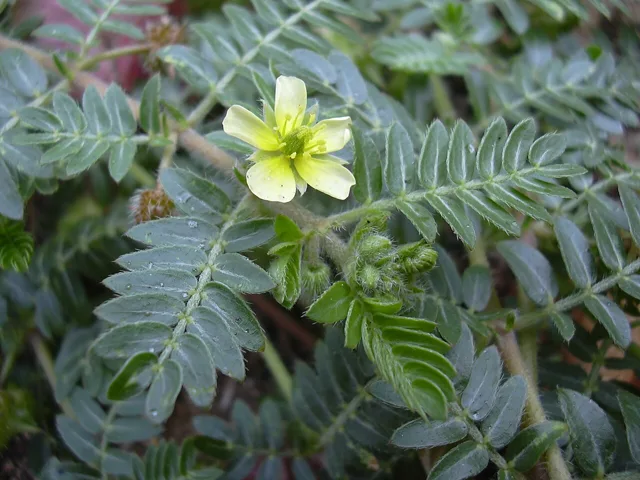
Tribulus terrestris
Sharp burs · Animal injuryList C — Manage widespread weeds
Photo: Forest & Kim Starr · CC BY 3.0 · Credits and sources
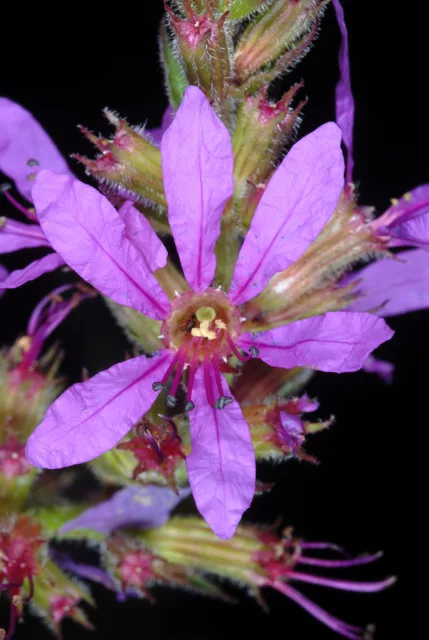
Lythrum salicaria
Crowds out wetland vegetationList A — Eradicate
Photo: Douglas Goldman · CC BY-SA 4.0 · Credits and sources
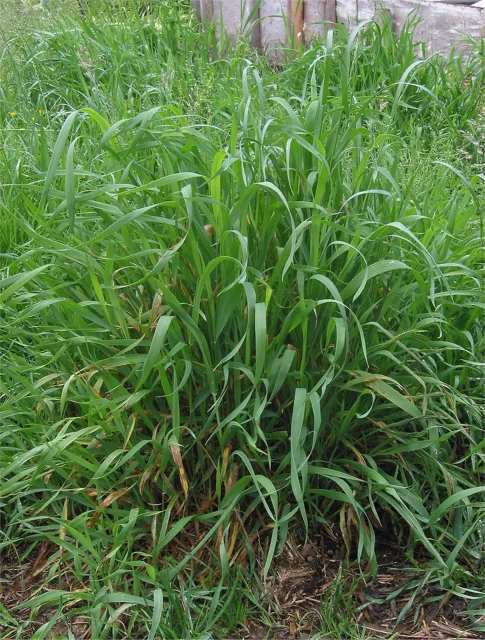
Elymus repens
Rhizome fragments regrow in lawns and gardensList C — Manage widespread weeds
Photo: Rasbak · CC BY-SA 3.0 · Credits and sources
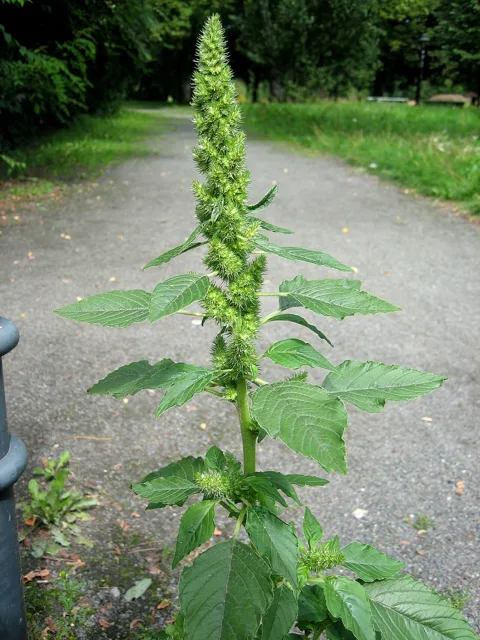
Amaranthus retroflexus
Crop competition; nitrate and oxalate livestock riskPhoto: Lynk media · CC BY-SA 3.0 · Credits and sources
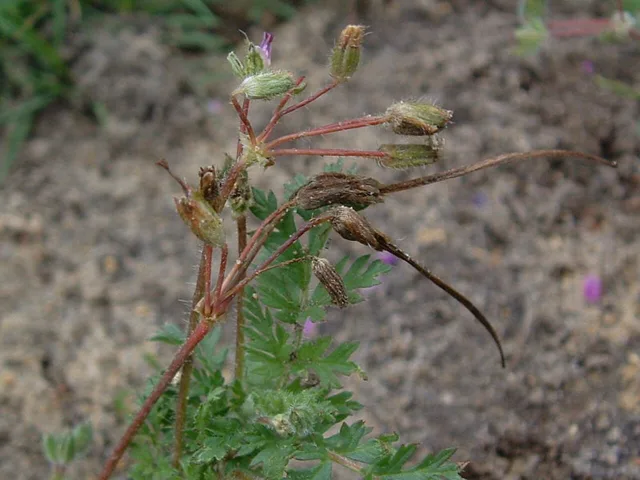
Erodium cicutarium
Seeds spread through lawns and pastureList C — Manage widespread weeds
Photo: Follavoine / follavoine.net · CC BY-SA 3.0 · Credits and sources
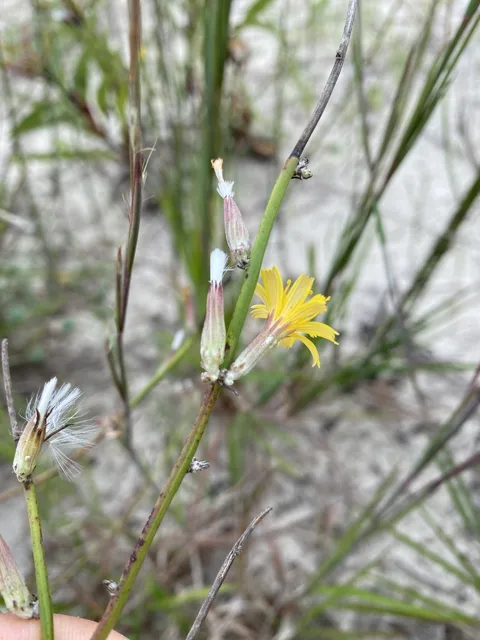
Chondrilla juncea
Deep roots and fragments sustain spreadList A — Eradicate
Photo: Zihao Wang · CC BY 4.0 · Credits and sources
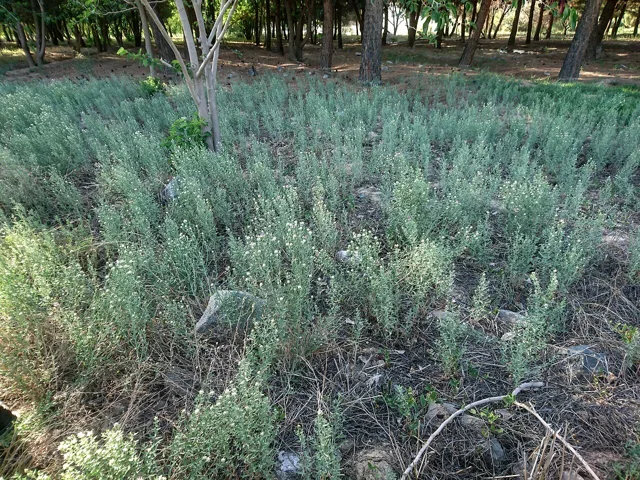
Rhaponticum repens
Toxic to horsesList B — Stop the spread
Photo: Amirh. absnd · CC0 · Credits and sources
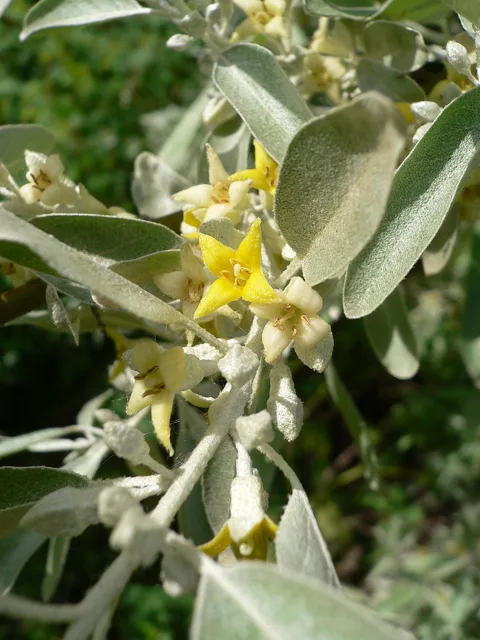
Elaeagnus angustifolia
Thorns; riparian habitat concernList B — Stop the spread
Photo: Georg Slickers · CC BY-SA 2.5 · Credits and sources
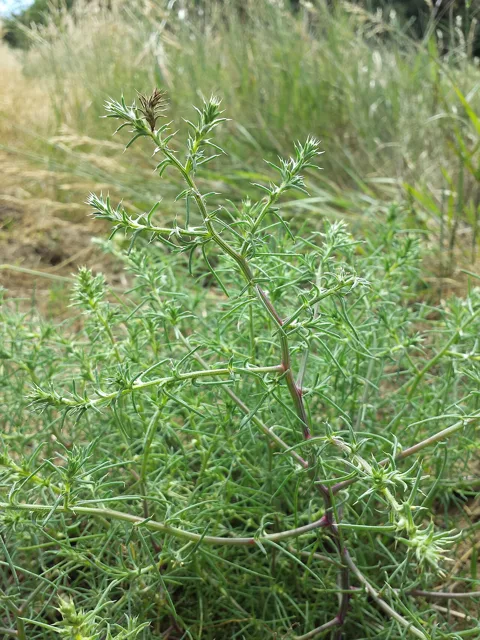
Salsola tragus
Prickly tumbleweeds; livestock and fire hazardsPhoto: Stefan.lefnaer · CC BY-SA 3.0 · Credits and sources
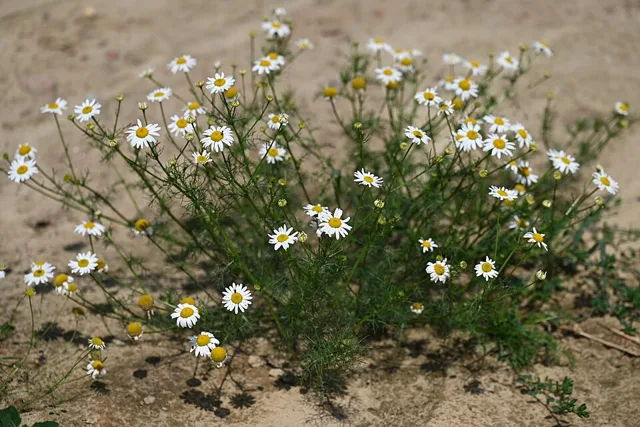
Tripleurospermum inodorum
Prolific seeds; reported livestock irritationList B — Stop the spread
Photo: Krzysztof Ziarnek, Kenraiz · CC BY-SA 4.0 · Credits and sources
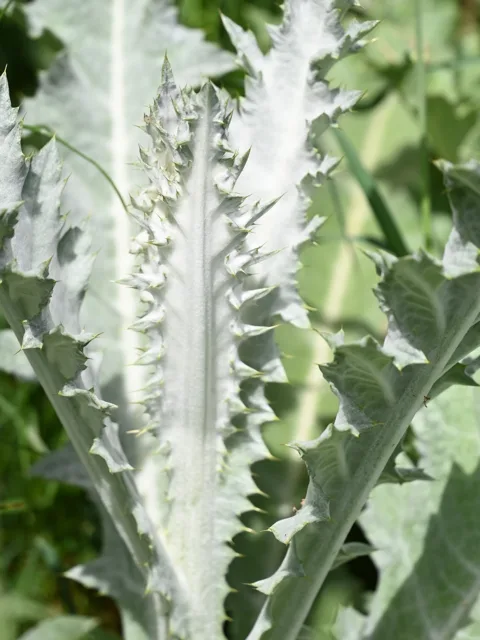
Onopordum acanthium
Sharp spines; competes with vegetationList B — Stop the spread
Photo: Krzysztof Ziarnek, Kenraiz · CC BY-SA 4.0 · Credits and sources
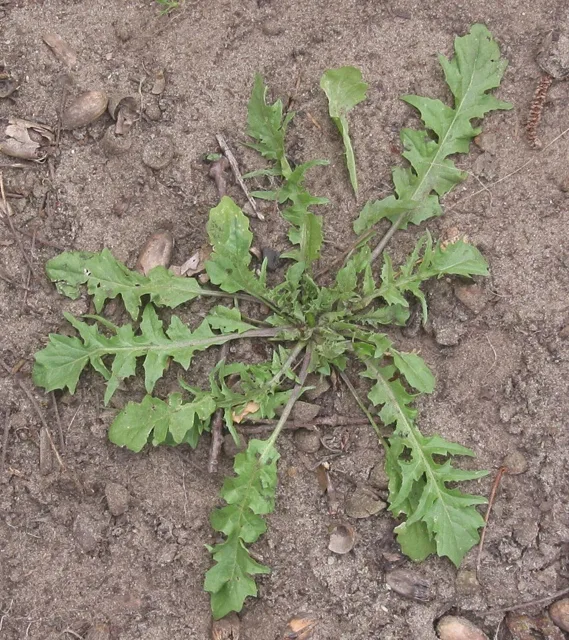
Capsella bursa-pastoris
An early-seeding lawn and garden weedPhoto: Rasbak · CC BY-SA 3.0 · Credits and sources
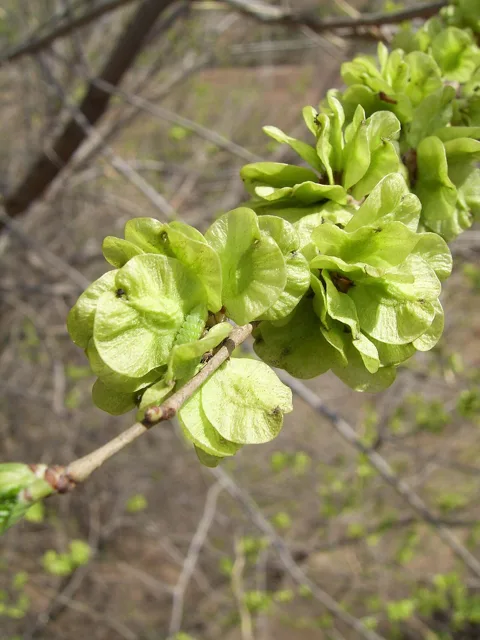
Ulmus pumila
Numerous seedlings; weak branchesList C — Manage widespread weeds
Photo: Shizhao · CC BY-SA 2.5 · Credits and sources
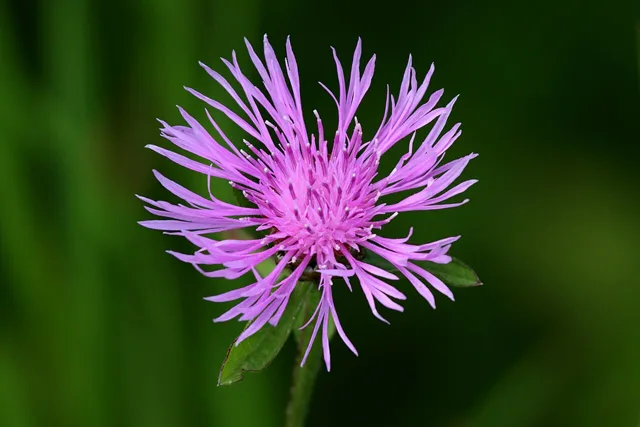
Centaurea stoebe
Competes with native vegetationList B — Stop the spread
Photo: Alan Vernon · CC BY 2.0 · Credits and sources
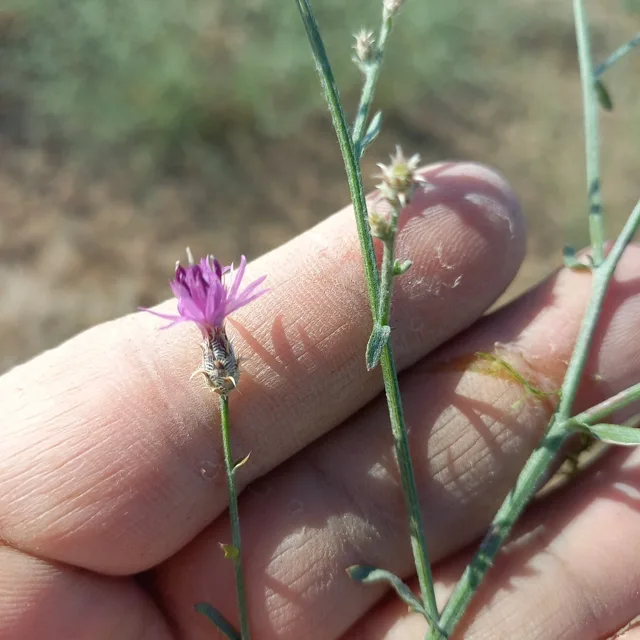
Centaurea virgata
Spiny seedheads; loss of rangeland forageList A — Eradicate
Photo: Alexander Dubynin · CC BY 4.0 · Credits and sources
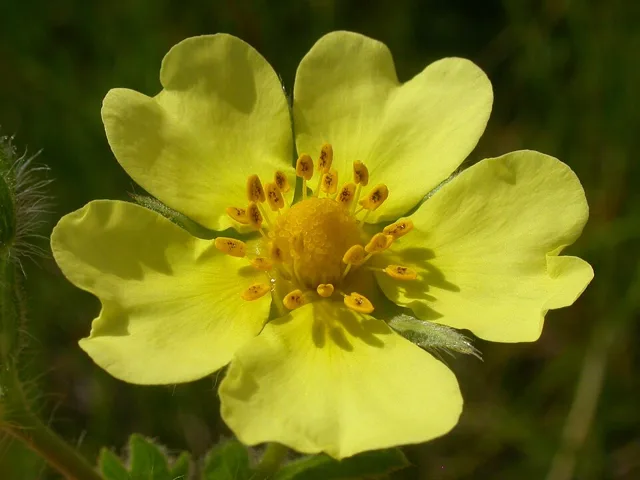
Potentilla recta
Persistent pasture and roadside weedList B — Stop the spread
Photo: Matt Lavin from Bozeman, Montana, USA · CC BY-SA 2.0 · Credits and sources
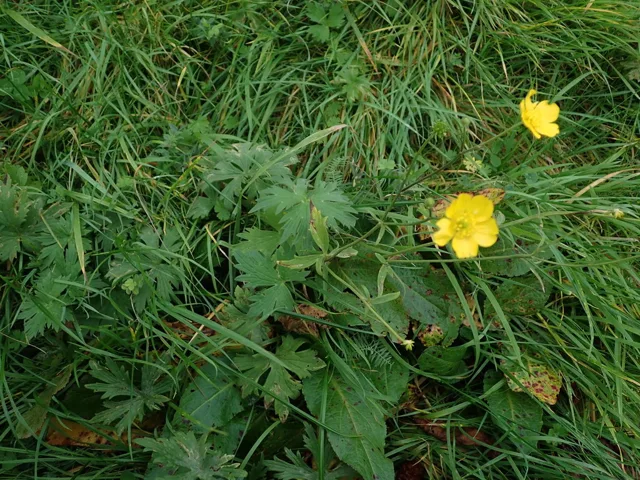
Ranunculus acris
Fresh plant irritation and animal poisoning hazardPhoto: Daniel Cahen · CC BY 4.0 · Credits and sources
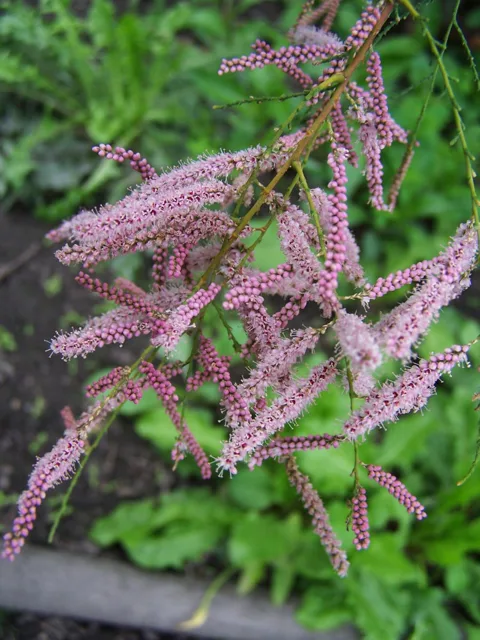
Tamarix ramosissima
Alters riparian vegetationList B — Stop the spread
Photo: Jerzy Opioła · CC BY-SA 3.0 · Credits and sources
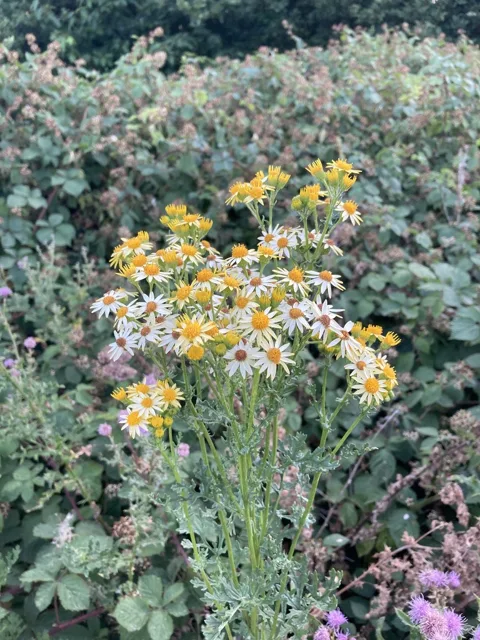
Jacobaea vulgaris
Poisonous to livestock; harmful alkaloidsList A — Eradicate
Photo: jamie-aa · CC BY 4.0 · Credits and sources
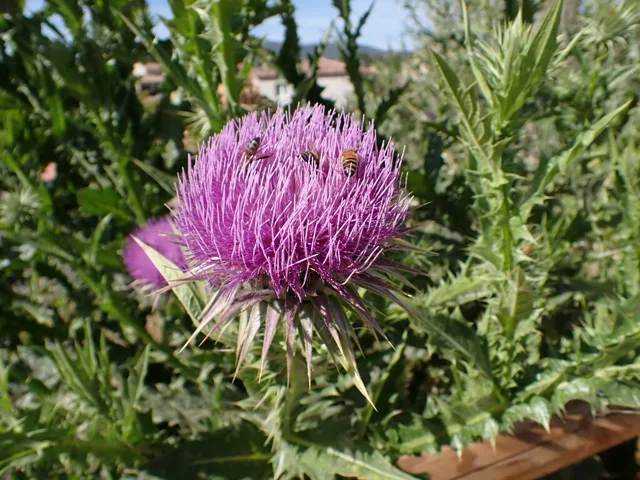
Onopordum tauricum
Sharp spines; taxon listed as Scotch thistleList B — Stop the spread
Photo: Louis Aureglia · CC BY 4.0 · Credits and sources
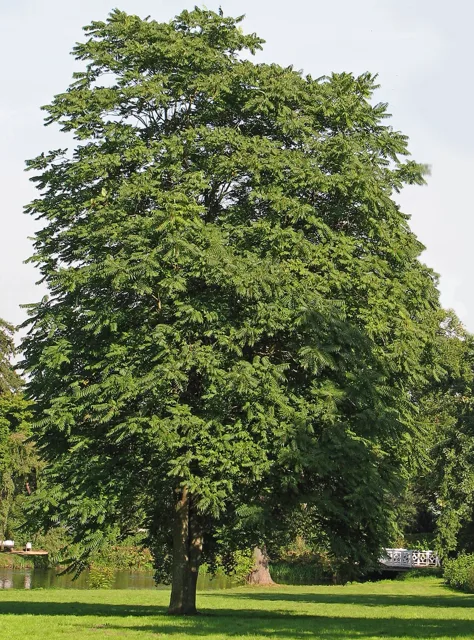
Ailanthus altissima
Root suckers form persistent thicketsList C — Manage widespread weeds
Photo: Darkone · CC BY-SA 2.5 · Credits and sources
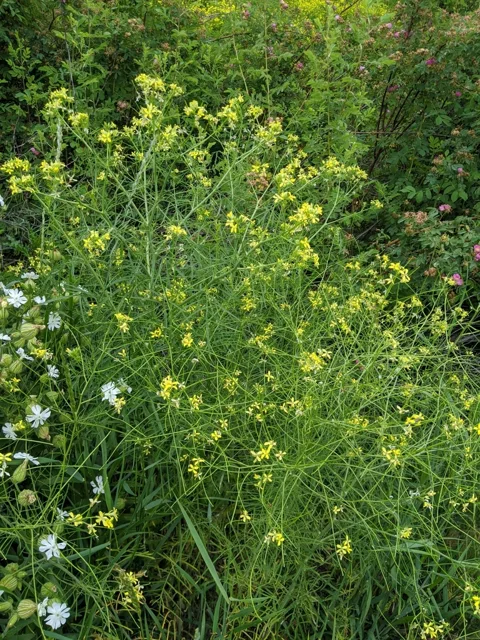
Sisymbrium altissimum
Another tumbleweed: brittle plants scatter persistent seedPhoto: Ben Keen · CC0 1.0 · Credits and sources
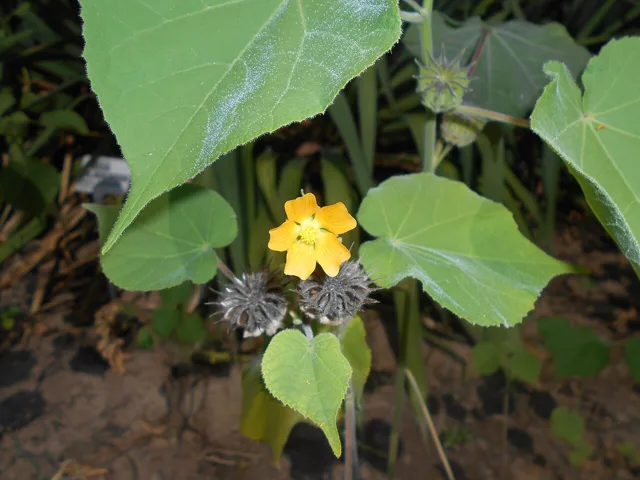
Abutilon theophrasti
Persistent seeds and strong crop competitionList C — Manage widespread weeds
Photo: Salicyna · CC BY-SA 4.0 · Credits and sources
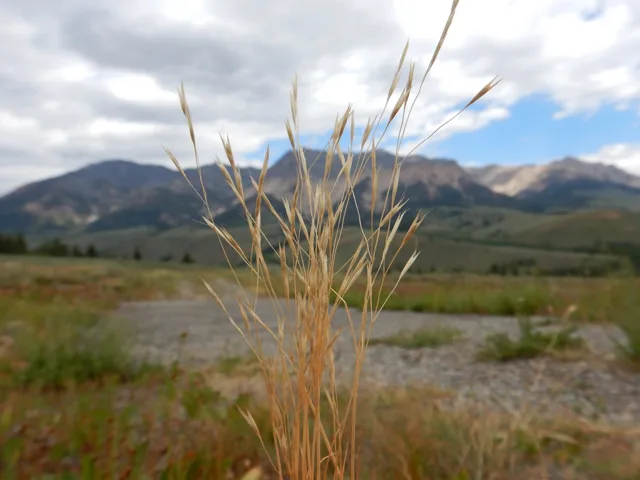
Ventenata dubia
Displaces forage and native grasslandList A — Eradicate
Photo: Matt Lavin · CC BY 4.0 · Credits and sources
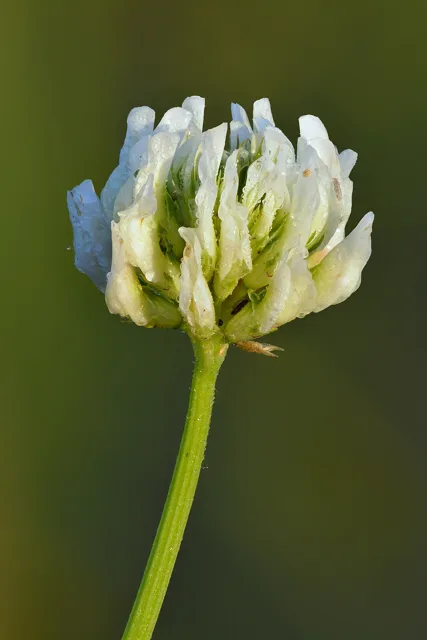
Trifolium repens
A spreading lawn plant with pollinator valuePhoto: Ivar Leidus · CC BY-SA 4.0 · Credits and sources
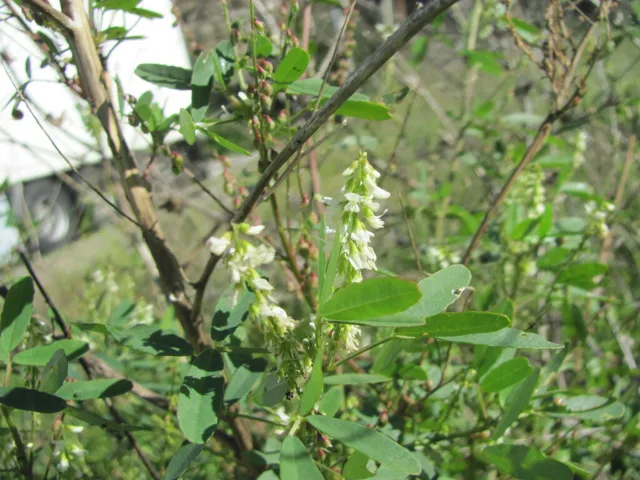
Melilotus albus
Moldy sweetclover hay can cause dangerous bleedingPhoto: zebedeugalinha · CC BY 4.0 · Credits and sources
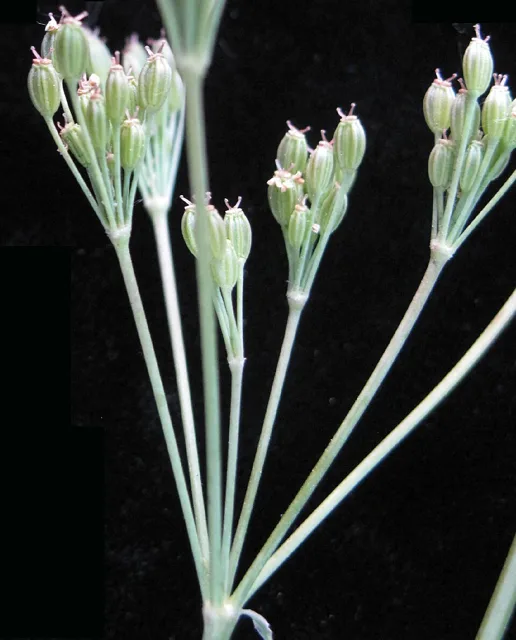
Carum carvi
Spreads by seed; pet safety concernList B — Stop the spread
Photo: Ayotte, Gilles, 1948- · CC BY-SA 4.0 · Credits and sources
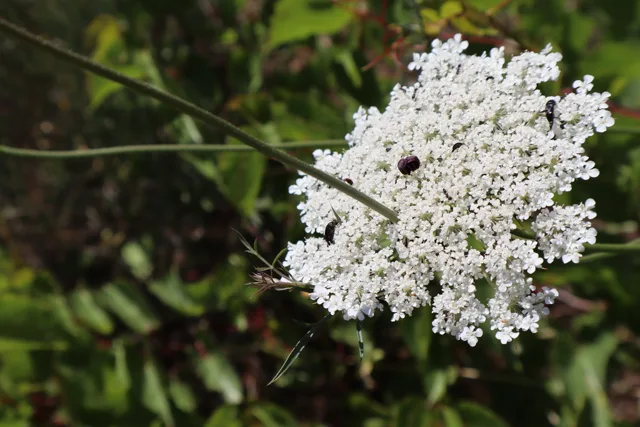
Daucus carota
Do not confuse it with highly poisonous hemlocksPhoto: zebedeugalinha · CC BY 4.0 · Credits and sources
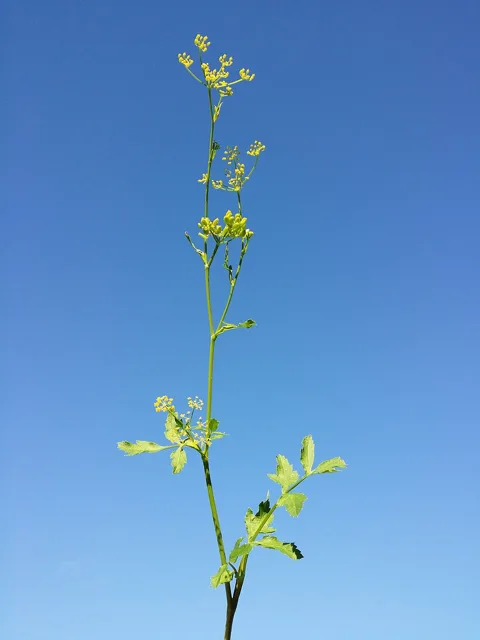
Pastinaca sativa
Sap plus sunlight can cause severe skin burnsPhoto: Stefan.lefnaer · CC BY-SA 4.0 · Credits and sources
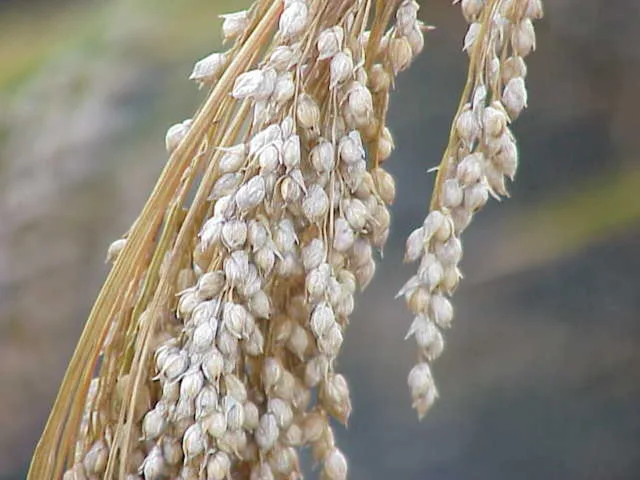
Panicum miliaceum
Seed contamination and crop competitionList C — Manage widespread weeds
Photo: Kurt Stüber · CC BY-SA 3.0 · Credits and sources
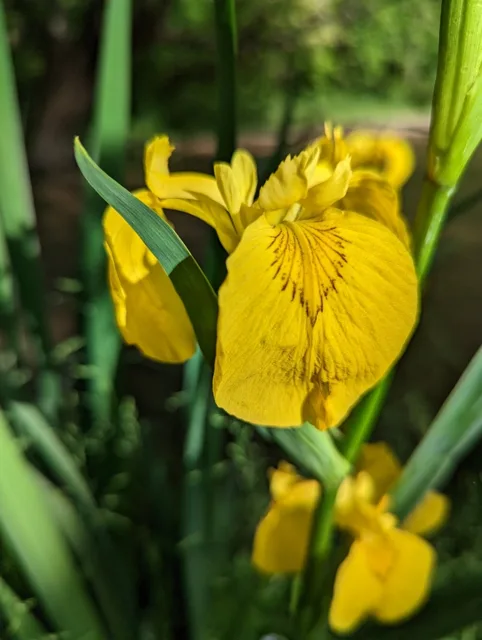
Iris pseudacorus
Ingestion concern; invasive wetland coloniesList A — Eradicate
Photo: Kailey Alderfer · CC BY 4.0 · Credits and sources
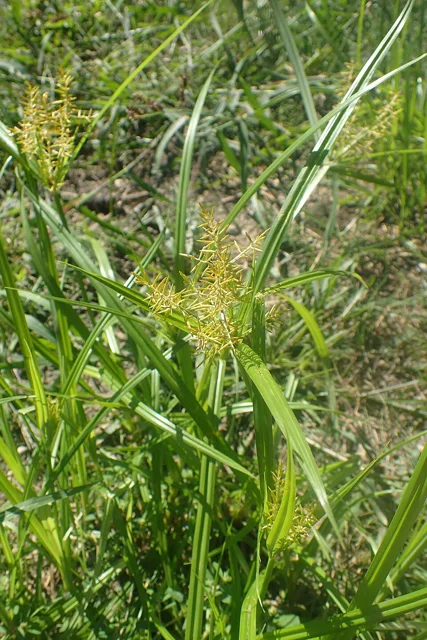
Cyperus esculentus
Underground tubers sustain infestationsList B — Stop the spread
Photo: Krzysztof Ziarnek, Kenraiz · CC BY-SA 4.0 · Credits and sources
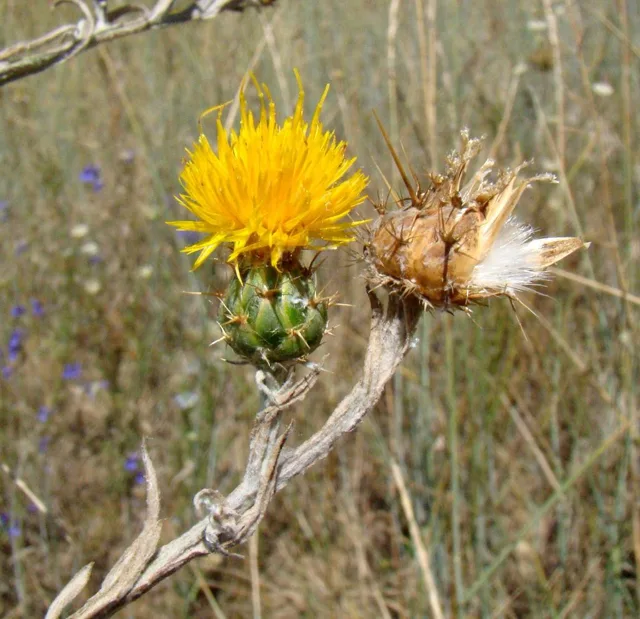
Centaurea solstitialis
Severe horse poisoning; sharp spinesList A — Eradicate
Photo: Юрий Данилевский (Yuriy Danilevsky) · CC BY 4.0 · Credits and sources
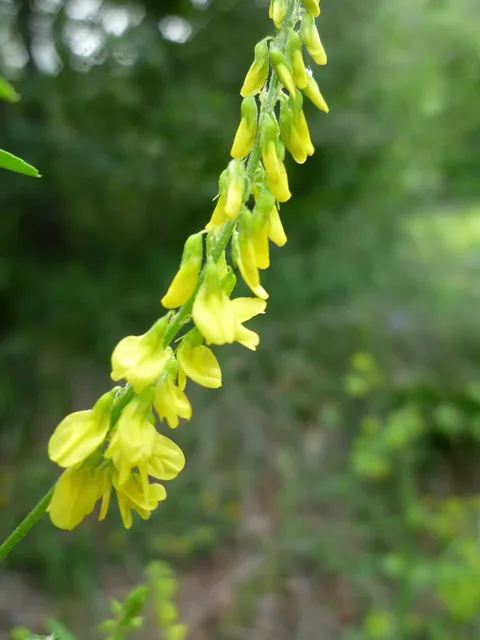
Melilotus officinalis
Moldy sweetclover hay can cause dangerous bleedingPhoto: Isidre blanc · CC BY-SA 4.0 · Credits and sources
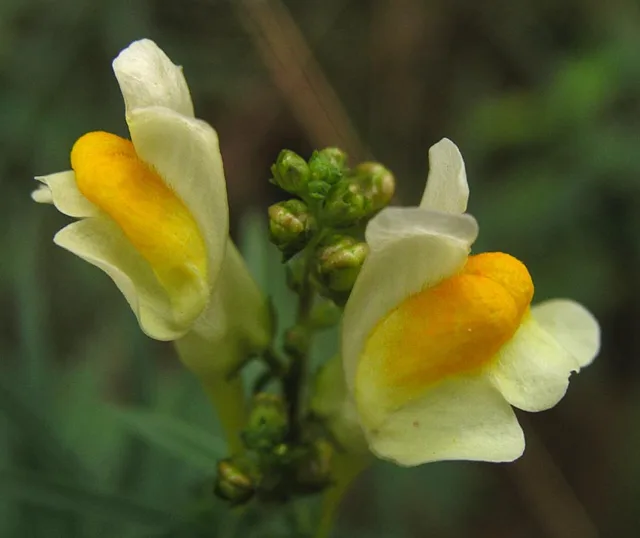
Linaria vulgaris
Spreads from roots; livestock concernList B — Stop the spread
Photo: Michael H. Lemmer · CC BY-SA 2.5 · Credits and sources