Russian thistle
Discuss this plant with the guide — choose this profile as a possible match and prepare your observations for Colorado Plants & Practical Care.
Salsola tragus
Introduced annual weed; not designated on the reviewed Colorado A/B/C lists. C-tumbleweeds CO-rules-2025
Prickly tumbleweeds; livestock and fire hazards. Exposure help.
Identification caveat: Russian thistle is a common name for several similar Salsola taxa. This profile uses S. tragus as its principal name; UC’s identification and dry-plant hazards address a species complex. A round tumbleweed alone does not establish the species.
Still researching this plant
This is a sourced working profile. Evidence is incomplete for Dogs & cats. Identification and source-photo limits are explained below. Independent botanical and veterinary review is pending. Uncertainty is not a finding that the plant is safe.
Three views of this plant
Source-identified reference photographs; these are not a complete identification key. A source location outside Colorado does not establish local occurrence.
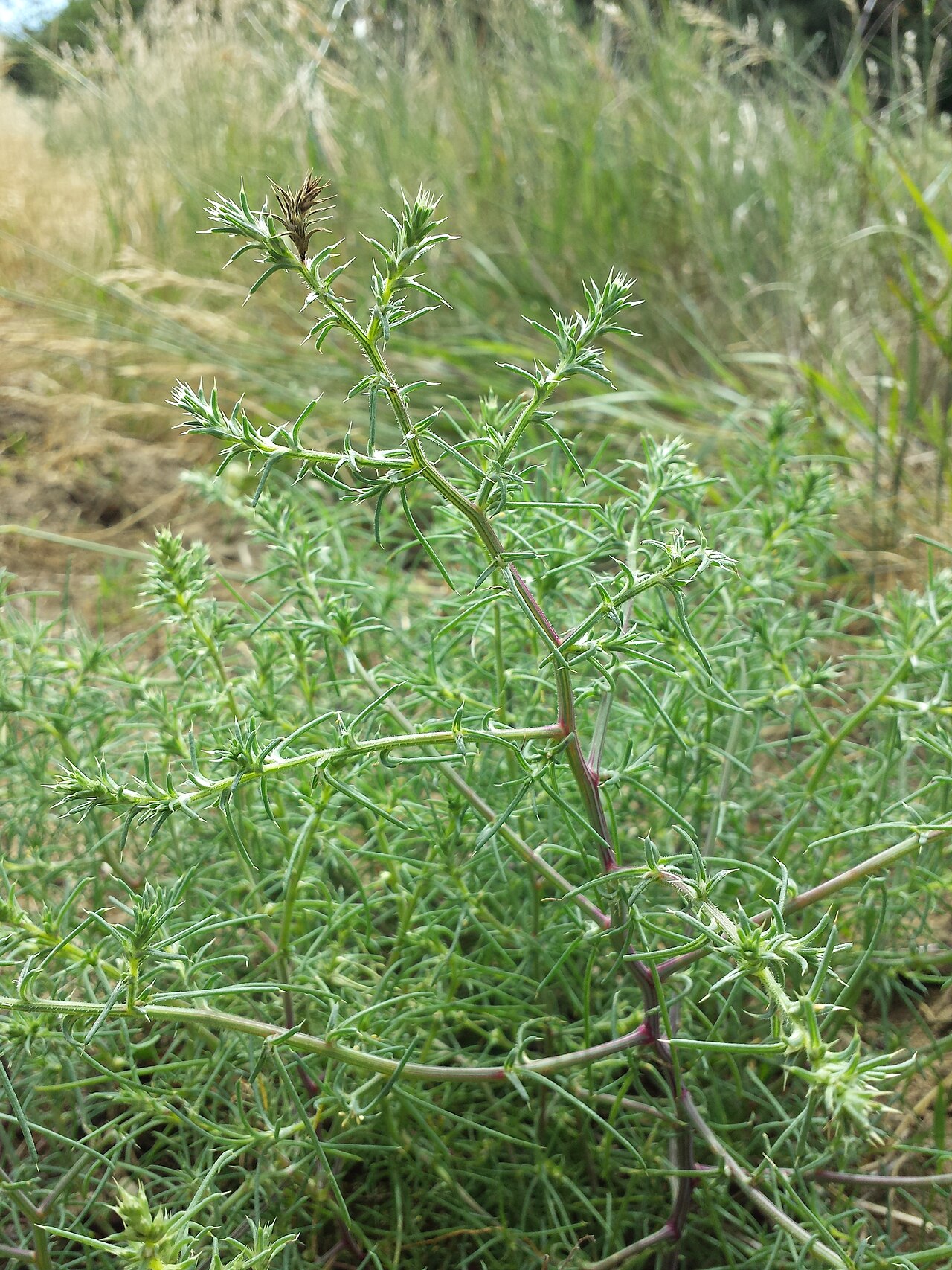
Stefan.lefnaer · CC BY-SA 3.0
Photo source and identification
Original record · Original image


Source page scientific identification plus visual morphology review of the selected photograph. This is a source-identified reference image, not a specimen-based taxonomic determination. Russian thistle is a species complex, and related Salsola/Kali taxa can form similar tumbleweeds. These are source-identified Salsola tragus/Kali tragus reference photographs; a dry tumbleweed or general habit photograph alone cannot establish species identity.
Wikimedia server-resized derivative; no crop, color change, or generative editing. Gallery display preserves the full image; the catalog preview uses a CSS crop.
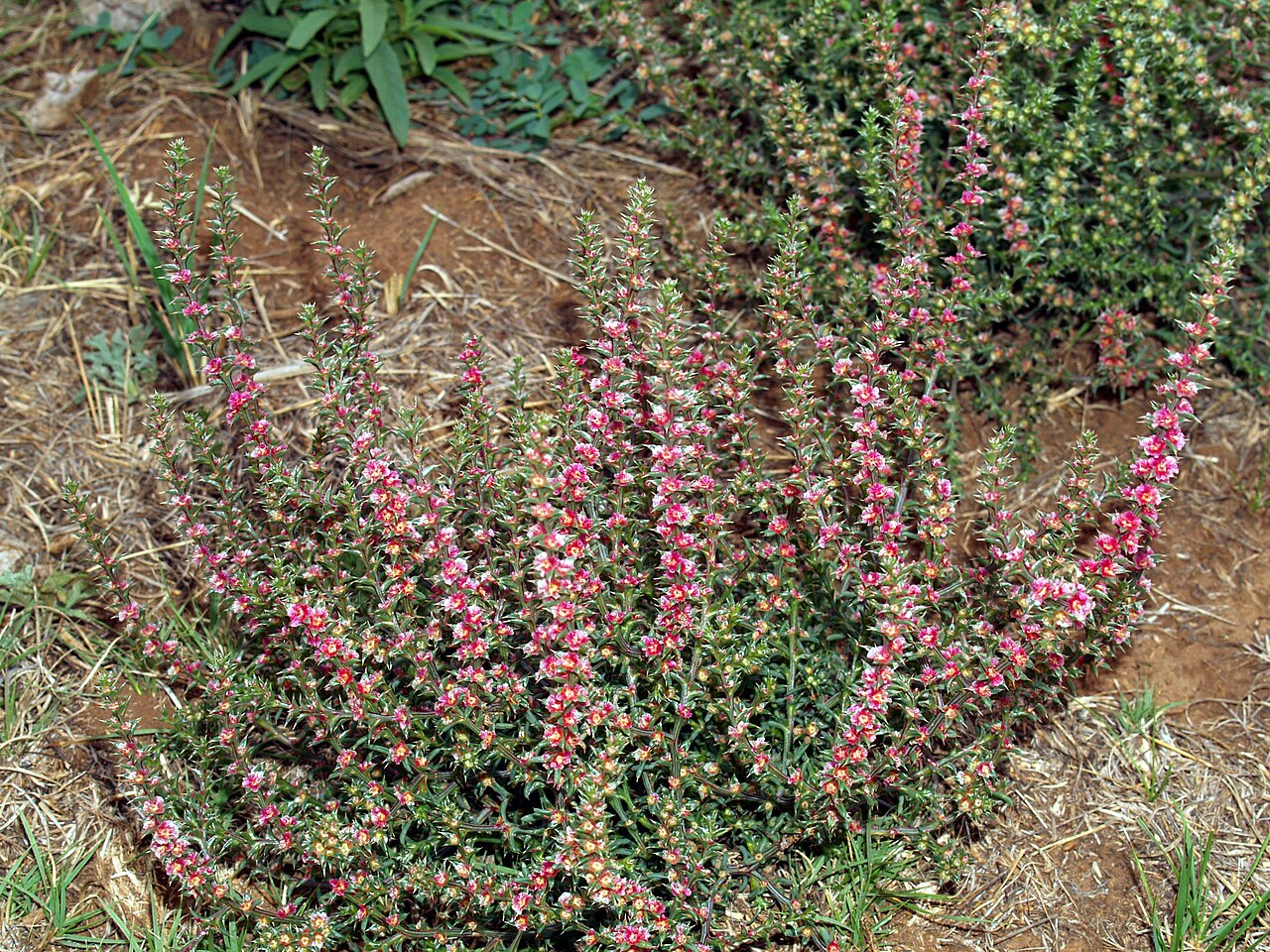
Jim Pisarowicz · Public domain

Photo source and identification
Original record · Original image

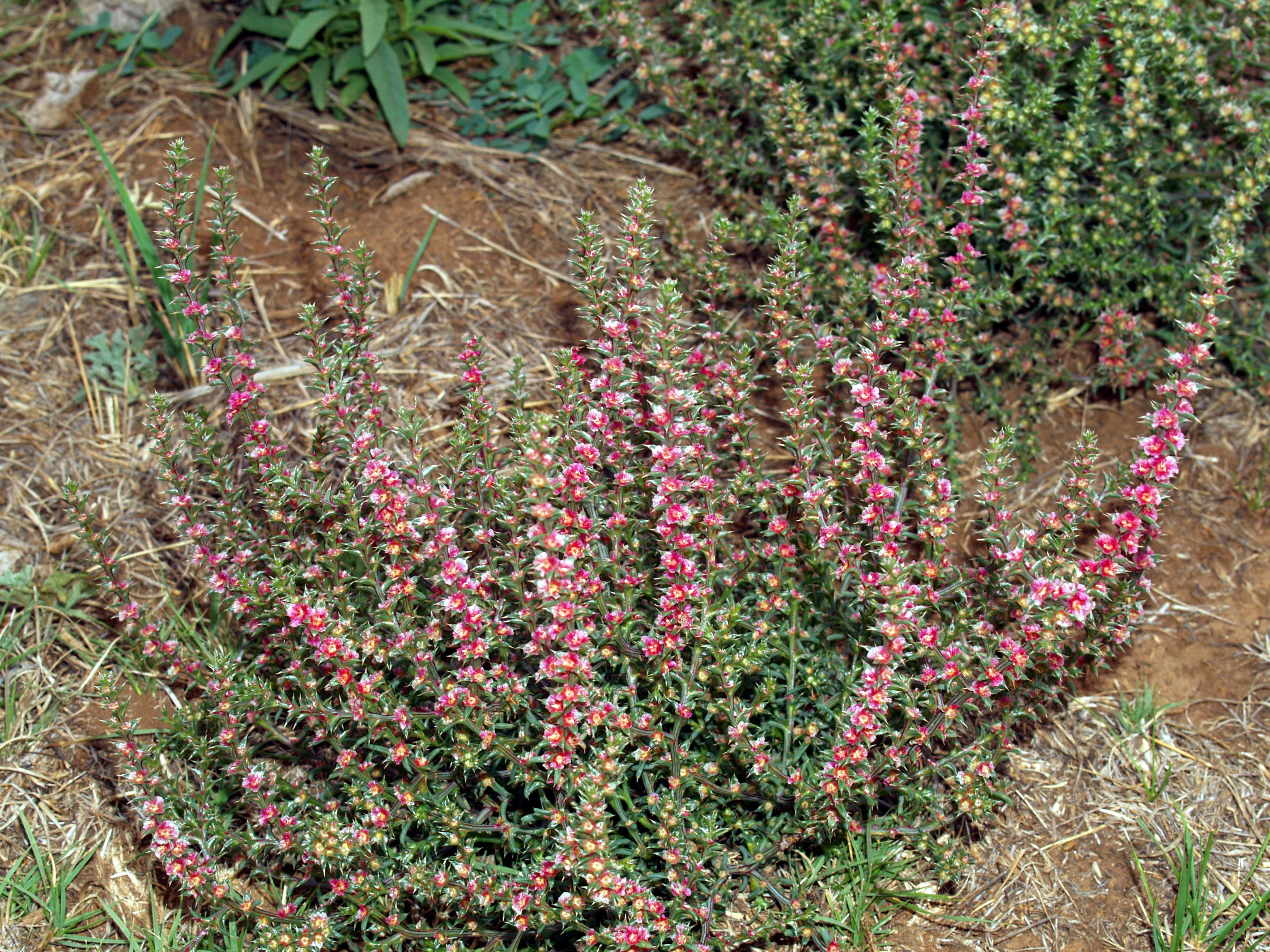
Source page scientific identification plus visual morphology review of the selected photograph. This is a source-identified reference image, not a specimen-based taxonomic determination. Russian thistle is a species complex, and related Salsola/Kali taxa can form similar tumbleweeds. These are source-identified Salsola tragus/Kali tragus reference photographs; a dry tumbleweed or general habit photograph alone cannot establish species identity.
Wikimedia server-resized derivative; no crop, color change, or generative editing. Gallery display preserves the full image; the catalog preview uses a CSS crop.
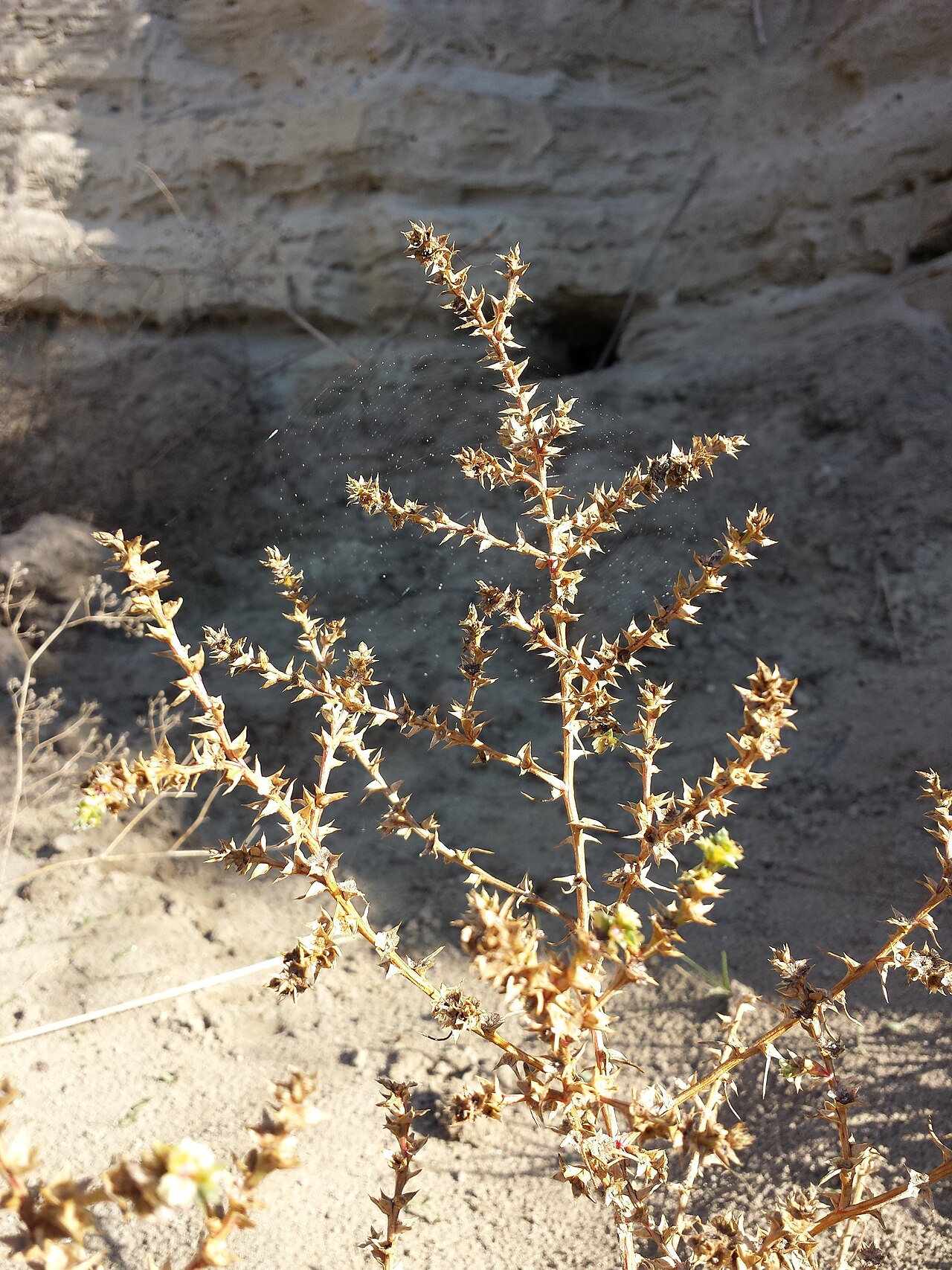
Stefan.lefnaer · CC BY-SA 3.0 at
Photo source and identification
Original record · Original image


Source page scientific identification plus visual morphology review of the selected photograph. This is a source-identified reference image, not a specimen-based taxonomic determination. Russian thistle is a species complex, and related Salsola/Kali taxa can form similar tumbleweeds. These are source-identified Salsola tragus/Kali tragus reference photographs; a dry tumbleweed or general habit photograph alone cannot establish species identity.
Wikimedia server-resized derivative; no crop, color change, or generative editing. Gallery display preserves the full image; the catalog preview uses a CSS crop.
Recognize
A branching annual that becomes rounded and prickly. Mature leaves and bracts have stiff tips; stems often show reddish stripes. Dry plants can detach and tumble. UC-russian-thistle
Evidence scope: Russian-thistle species complex.
Plants & habitat
Invades disturbed ground. Dry accumulations can obstruct traffic and create a fire hazard; prevent seed production before plants detach. UC-russian-thistle C-tumbleweeds
Evidence scope: Species-group hazards; editorial prevention priority.
People
Stiff, sharp parts can puncture skin. Wear sturdy gloves when handling dry plants; this is a physical-risk inference, not a human poison diagnosis. UC-russian-thistle
Evidence scope: Physical-risk inference.
Dogs & cats
Prickly material may injure paws or mouths. The reviewed livestock findings do not establish a pet toxic dose. Keep pets away from dry piles. UC-russian-thistle
Evidence scope: Physical-risk inference; pet toxicology gap.
Other animals
CSU reports nitrate and oxalate poisoning risks for cattle and sheep, including severe breathing problems or kidney damage. Do not assume this weed is suitable forage. C-tumbleweeds
Before taking action
Confirm identification and the requirements of your county weed program. For chemical treatment, follow the current product label, including restrictions around animals and water. S27
References
- C-tumbleweeds — Identification and Management of Kochia and Russian Thistle, Colorado State University Extension. Accessed 2026-09-07T00:57:25+00:00. Locator: Weed Description; Livestock Poisonings; Integrated Weed Management.
- CO-rules-2025 — Colorado Noxious Weed Act rules, 8 CCR 1206-2, Colorado Secretary of State / Department of Agriculture. Accessed 2026-09-07T01:07:48+00:00. Locator: Parts 3.1, 4.1, 5.1; management provisions; effective May 15, 2025.
- UC-russian-thistle — Russian Thistle, University of California Statewide IPM. Accessed 2026-09-07T00:57:25+00:00. Locator: Taxonomic complex, morphology, oxalates, dry tumbleweed hazards.
- S27 — 2103 – Colorado Noxious Weeds, PlantTalk Colorado · CSU Extension. Accessed 2026-09-07T00:23:57+00:00. Locator: List A, B and C management categories.