Common purslane
Discuss this plant with the guide — choose this profile as a possible match and prepare your observations for Colorado Plants & Practical Care.
Portulaca oleracea
Common weed; not an A/B/C listing in the reviewed state rule. CO-rules-2025
Pet ingestion hazard despite human food uses. Exposure help.
Identification caveat: Distinguish succulent purslane from low-growing spurges. The ASPCA entry is Portulaca oleracea, not merely an ornamental plant sharing a common name.
Still researching this plant
This is a sourced working profile. The cited findings are available below. Identification and source-photo limits are explained below. Independent botanical and veterinary review is pending. Uncertainty is not a finding that the plant is safe.
Three views of this plant
Source-identified reference photographs; these are not a complete identification key. A source location outside Colorado does not establish local occurrence.
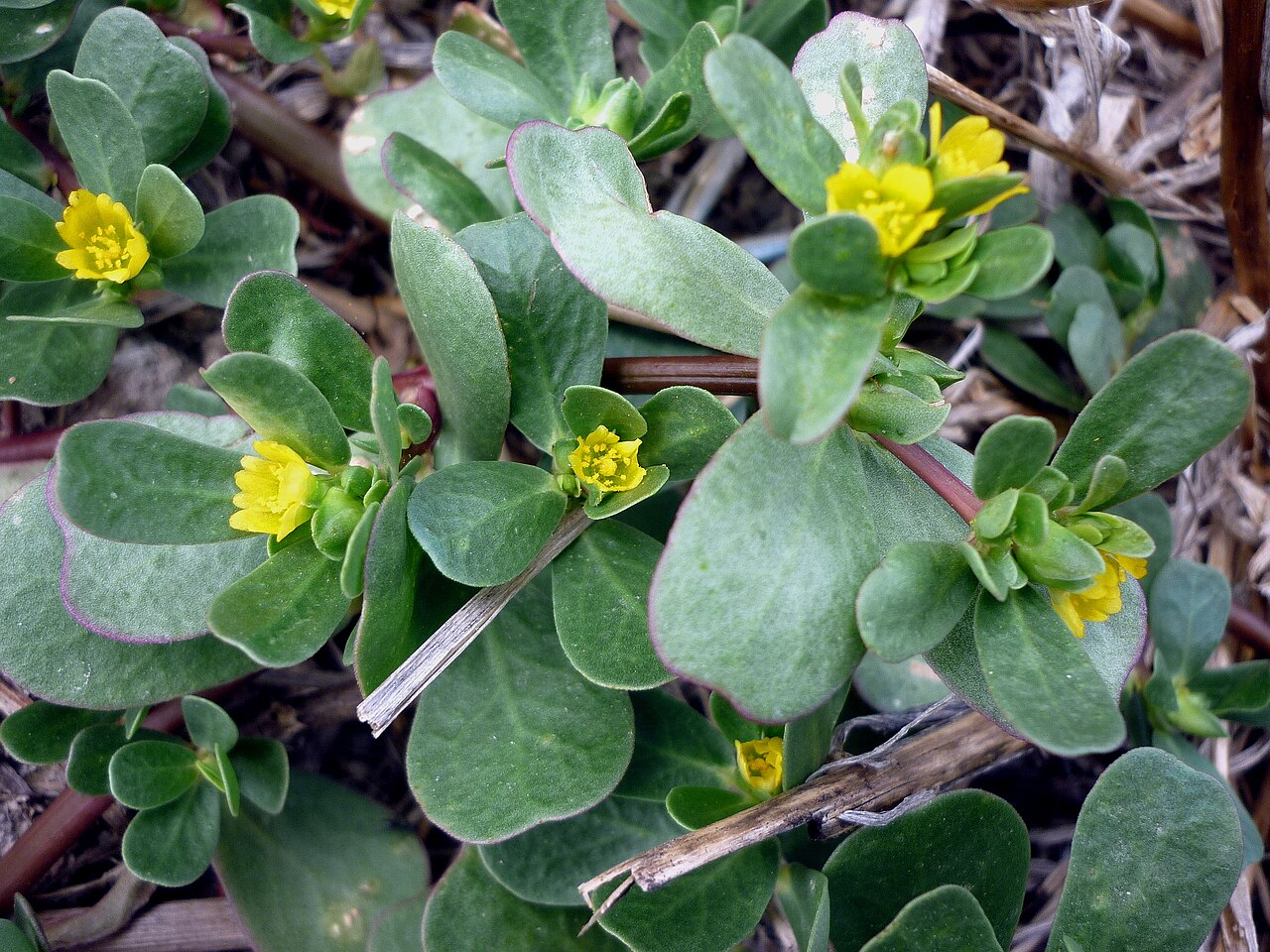
Isidre blanc · CC BY-SA 4.0
Photo source and identification
Original record · Original image
.JPG)

Source page scientific identification plus visual morphology review of the selected photograph. This is a source-identified reference image, not a specimen-based taxonomic determination. Common purslane is a taxonomically variable aggregate. General photographs do not determine an infraspecific taxon or seed-based microspecies.
Wikimedia server-resized derivative; no crop, color change, or generative editing. Gallery display preserves the full image; the catalog preview uses a CSS crop.
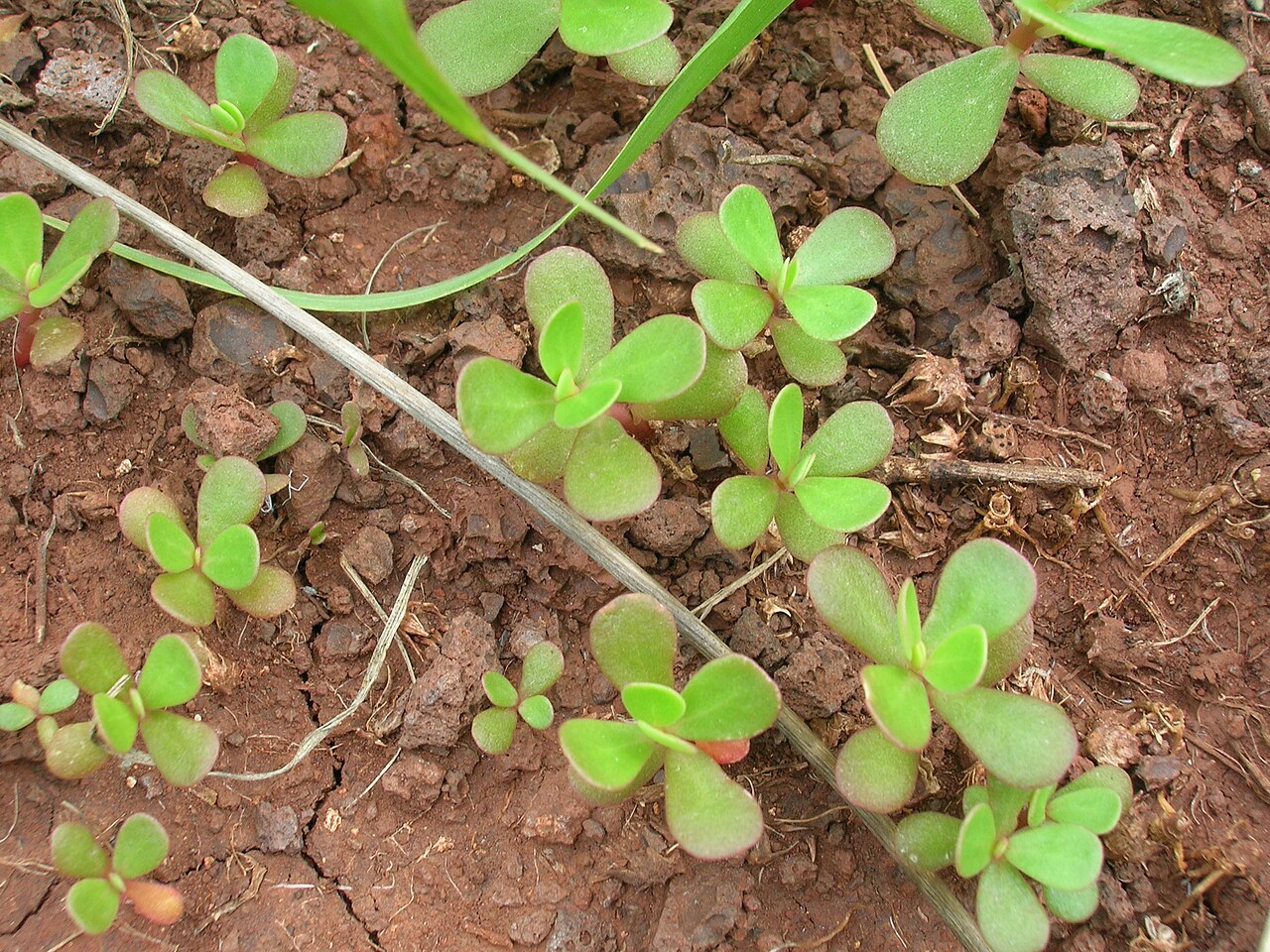
Forest & Kim Starr · CC BY 3.0
Photo source and identification
Original record · Original image


Source page scientific identification plus visual morphology review of the selected photograph. This is a source-identified reference image, not a specimen-based taxonomic determination. Common purslane is a taxonomically variable aggregate. General photographs do not determine an infraspecific taxon or seed-based microspecies.
Wikimedia server-resized derivative; no crop, color change, or generative editing. Gallery display preserves the full image; the catalog preview uses a CSS crop.
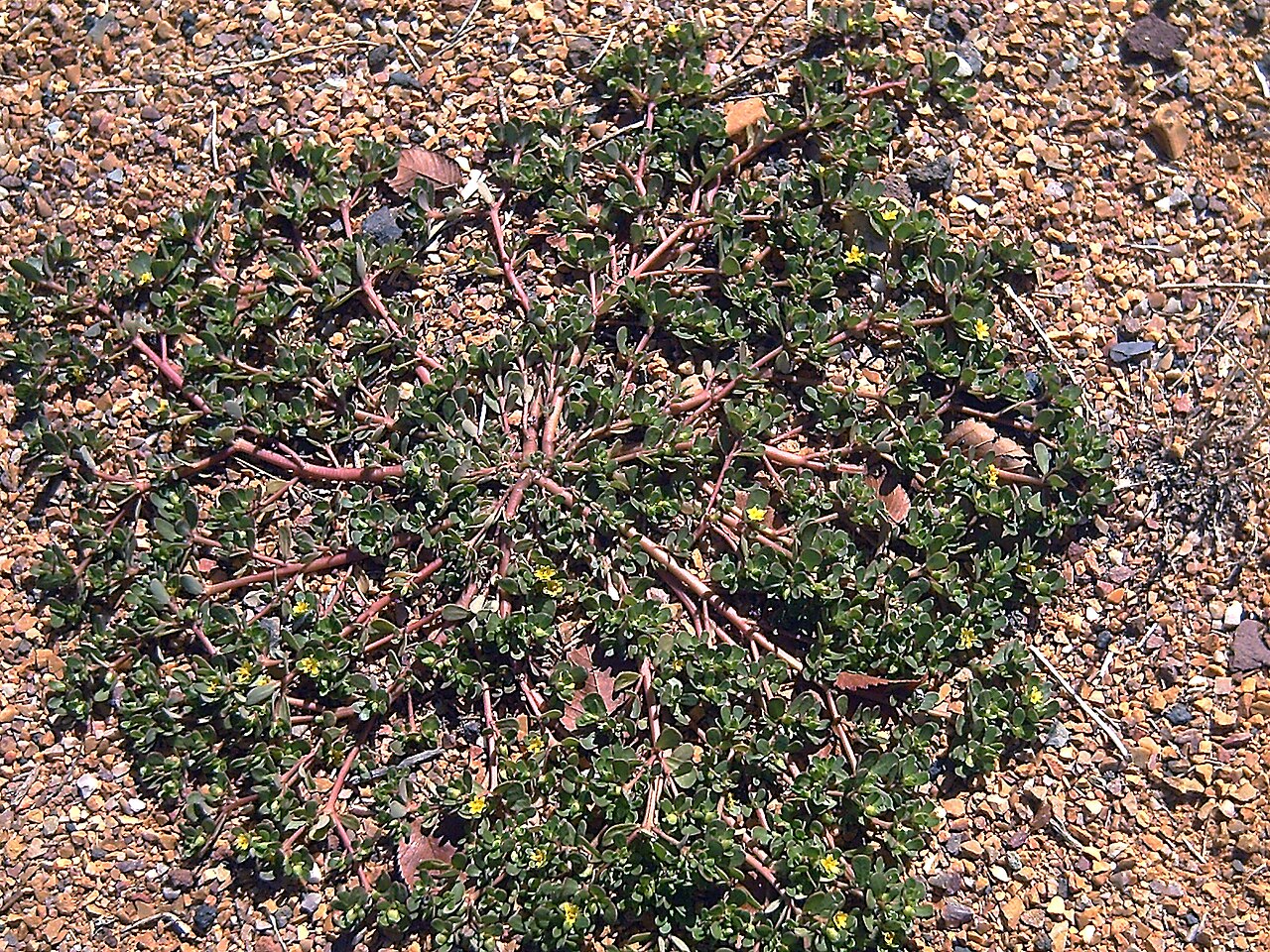
Javier martin · Public domain

Photo source and identification
Original record · Original image


Source page scientific identification plus visual morphology review of the selected photograph. This is a source-identified reference image, not a specimen-based taxonomic determination. Common purslane is a taxonomically variable aggregate. General photographs do not determine an infraspecific taxon or seed-based microspecies.
Wikimedia server-resized derivative; no crop, color change, or generative editing. Gallery display preserves the full image; the catalog preview uses a CSS crop.
Recognize
Low, spreading red-tinged stems, fleshy leaves and small yellow flowers. N-portulaca-oleracea
Plants & habitat
A familiar Colorado garden weed. Seeds and surviving stem pieces can sustain a patch. C-descriptions N-portulaca-oleracea
People
The species has documented human food uses, but this guide provides neither a foraging identification nor a safe serving amount. Do not transfer food-use claims to pets. N-portulaca-oleracea
Evidence scope: Food-use record, not individual safety assessment.
Dogs & cats
ASPCA lists this exact species as toxic to dogs and cats because of soluble oxalates. Contact a veterinarian after suspected ingestion. A-purslane
Other animals
ASPCA also lists horses. No safe forage amount is established here. A-purslane
Before taking action
Confirm identification and the requirements of your county weed program. For chemical treatment, follow the current product label, including restrictions around animals and water. S27
References
- CO-rules-2025 — Colorado Noxious Weed Act rules, 8 CCR 1206-2, Colorado Secretary of State / Department of Agriculture. Accessed 2026-09-07T01:07:48+00:00. Locator: Parts 3.1, 4.1, 5.1; management provisions; effective May 15, 2025.
- N-portulaca-oleracea — portulaca oleracea — Plant Toolbox, NC State Extension. Accessed 2026-09-07T01:04:56+00:00. Locator: Description; Attributes; Problems; Poisonous to Humans.
- C-descriptions — Weed descriptions, Colorado State University Extension. Accessed 2026-09-07T00:24:02+00:00. Locator: Species entries.
- A-purslane — Purslane, ASPCA Poison Control. Accessed 2026-09-07T01:14:01+00:00. Locator: Scientific name, toxicity to dogs, cats and horses.
- S27 — 2103 – Colorado Noxious Weeds, PlantTalk Colorado · CSU Extension. Accessed 2026-09-07T00:23:57+00:00. Locator: List A, B and C management categories.