Japanese knotweed
Discuss this plant with the guide — choose this profile as a possible match and prepare your observations for Colorado Plants & Practical Care.
Reynoutria japonica
Colorado noxious weed · List A — Eradicate. CO-rules-2025
Uncommon in Colorado. All populations are designated for eradication statewide. This is a management category, separate from danger ratings. Category source · What the lists mean.
Root and stem fragments regrow. Exposure help.
Identification caveat: Colorado’s rule uses Fallopia japonica. Giant and Bohemian knotweeds need separate identification; broad leaves and bamboo-like stems are insufficient to distinguish them.
Still researching this plant
This is a sourced working profile. Evidence is incomplete for People, Dogs & cats, Other animals. Identification and source-photo limits are explained below. Independent botanical and veterinary review is pending. Uncertainty is not a finding that the plant is safe.
Three views of this plant
Source-identified reference photographs; these are not a complete identification key. A source location outside Colorado does not establish local occurrence.
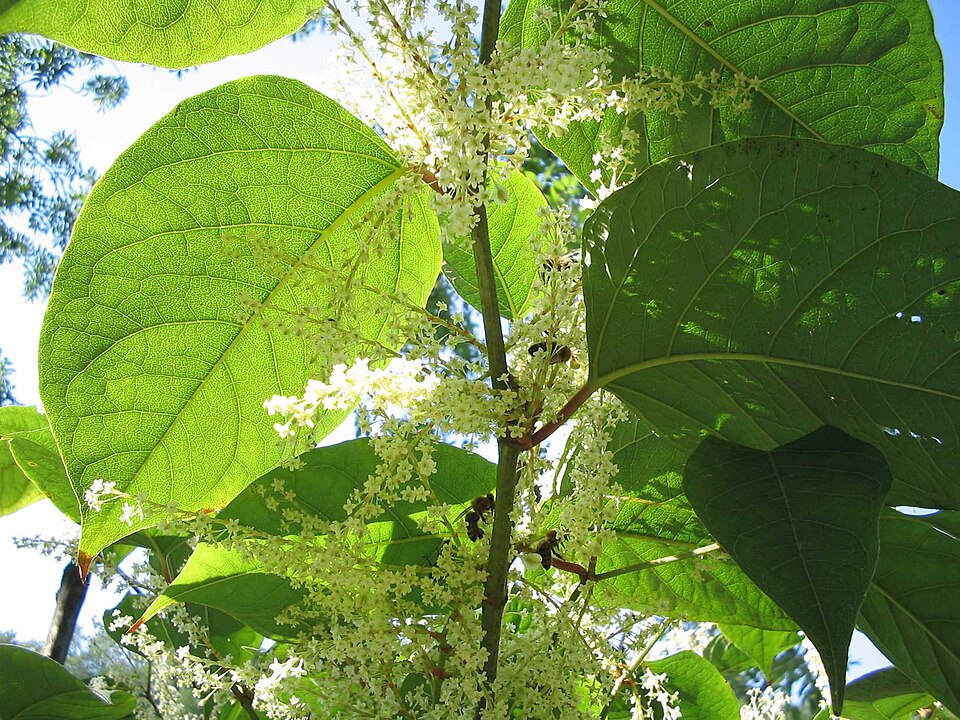
Michael Gasperl ( Migas ) · CC BY-SA 3.0
Photo source and identification
Original record · Original image
.jpg)

Source scientific identification plus visual morphology review of the selected photograph. This is a source-identified reference image, not a specimen-based taxonomic determination. Japanese, giant, and Bohemian knotweeds can overlap in overall appearance. These photographs retain the source identification; a field determination should use mature leaf bases, underside hairs, and other diagnostic characters.
Wikimedia server-resized derivative; no local crop, colour change, or generative editing. Gallery display preserves the full image; the catalog preview uses a CSS crop.
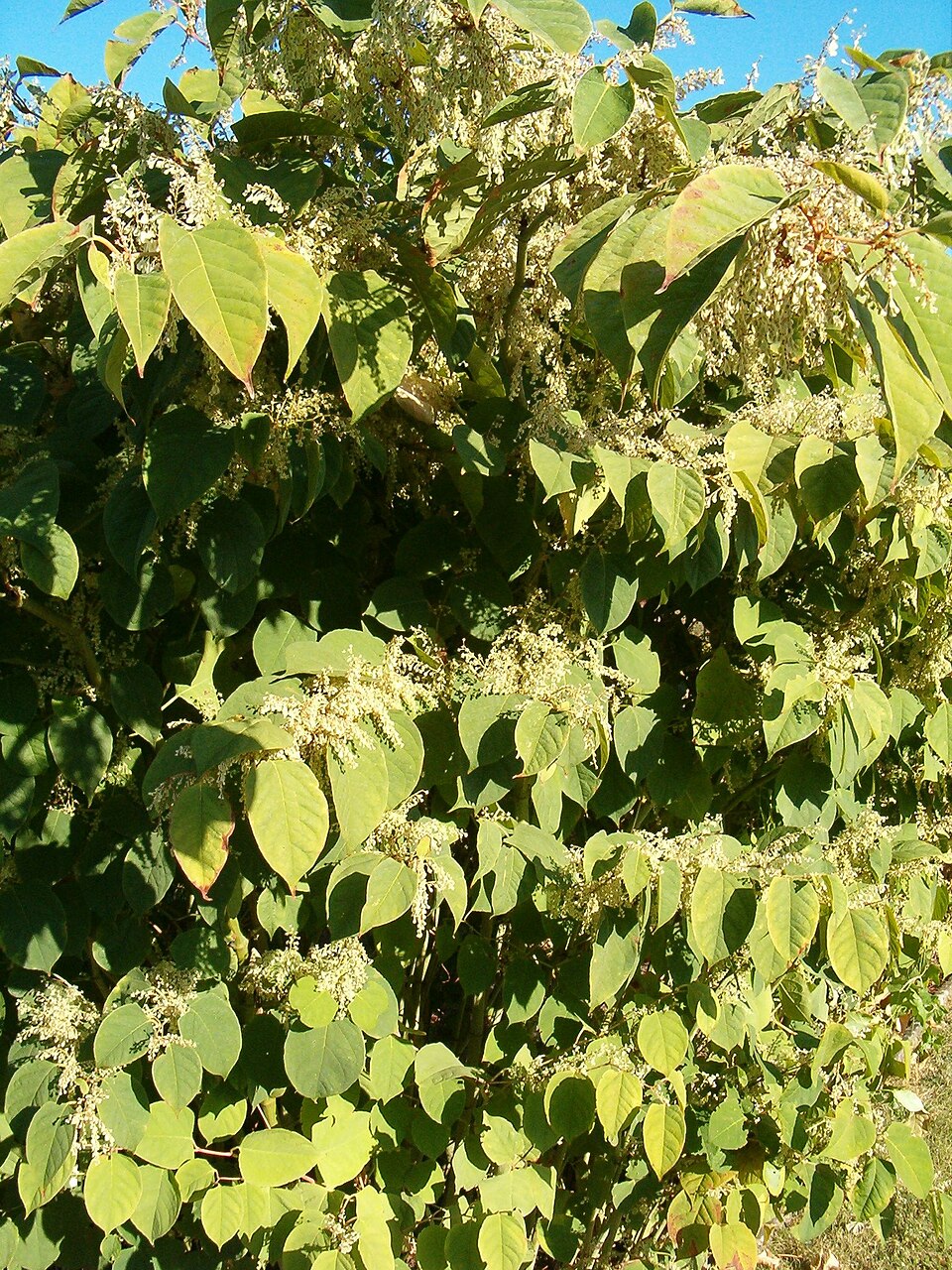
User:BotBln · CC BY-SA 3.0
Photo source and identification
Original record · Original image


Source scientific identification plus visual morphology review of the selected photograph. This is a source-identified reference image, not a specimen-based taxonomic determination. Japanese, giant, and Bohemian knotweeds can overlap in overall appearance. These photographs retain the source identification; a field determination should use mature leaf bases, underside hairs, and other diagnostic characters.
Wikimedia server-resized derivative; no local crop, colour change, or generative editing. Gallery display preserves the full image; the catalog preview uses a CSS crop.
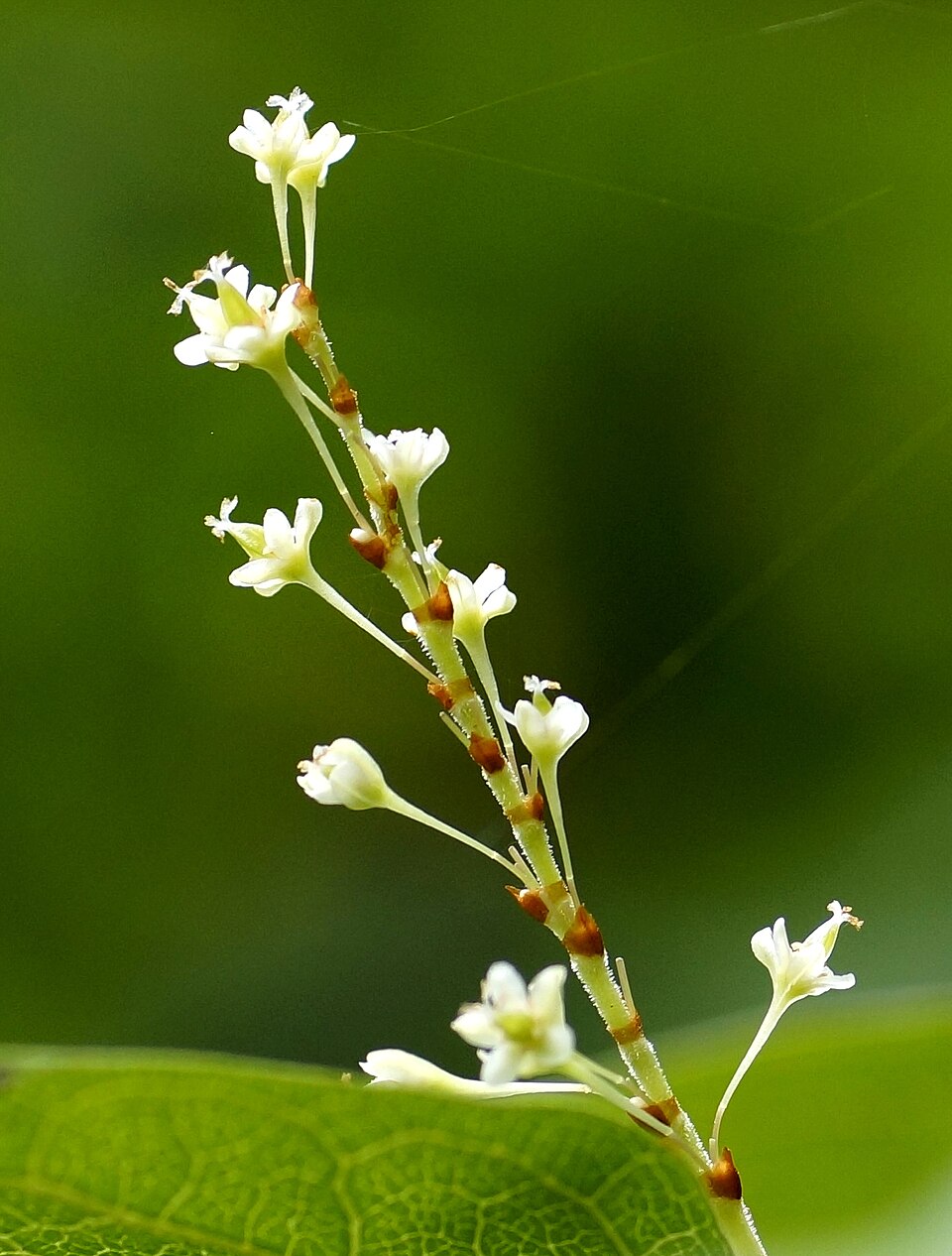
Udo Schmidt from Deutschland · CC BY-SA 2.0
Photo source and identification
Original record · Original image
.jpg)

Source scientific identification plus visual morphology review of the selected photograph. This is a source-identified reference image, not a specimen-based taxonomic determination. Japanese, giant, and Bohemian knotweeds can overlap in overall appearance. These photographs retain the source identification; a field determination should use mature leaf bases, underside hairs, and other diagnostic characters.
Wikimedia server-resized derivative; no local crop, colour change, or generative editing. Gallery display preserves the full image; the catalog preview uses a CSS crop.
Recognize
Tall hollow, jointed stems carry alternate, broad leaves with generally flattened bases and small, pale flower clusters. N-reynoutria-japonica
Plants & habitat
Rhizomes form dense stands and cut stems can root in wet conditions. Growth can displace streambank vegetation; avoid moving contaminated soil or plant pieces. N-reynoutria-japonica
People
The reviewed sources do not establish species-specific ingestion effects or a safe exposure amount for people. Missing evidence does not establish safety.
Dogs & cats
The reviewed sources do not establish species-specific ingestion effects or a safe exposure amount for dogs or cats. Missing evidence does not establish safety.
Other animals
The reviewed sources do not establish species-specific ingestion effects or a safe exposure amount for livestock. Missing evidence does not establish safety.
Before taking action
Confirm identification and the requirements of your county weed program. For chemical treatment, follow the current product label, including restrictions around animals and water. S27
This is a statewide eradication priority. Contact your county weed program promptly for identification and an approved management and disposal plan. CO-rules-2025
References
- CO-rules-2025 — Colorado Noxious Weed Act rules, 8 CCR 1206-2, Colorado Secretary of State / Department of Agriculture. Accessed 2026-09-07T01:07:48+00:00. Locator: Parts 3.1, 4.1, 5.1; management provisions; effective May 15, 2025.
- N-reynoutria-japonica — reynoutria japonica — Plant Toolbox, NC State Extension. Accessed 2026-09-07T01:04:52+00:00. Locator: Description; Attributes; Problems; Poisonous to Humans.
- S27 — 2103 – Colorado Noxious Weeds, PlantTalk Colorado · CSU Extension. Accessed 2026-09-07T00:23:57+00:00. Locator: List A, B and C management categories.