Green foxtail
Discuss this plant with the guide — choose this profile as a possible match and prepare your observations for Colorado Plants & Practical Care.
Setaria viridis
Common introduced weed · not on state Lists A/B/C. C-floristic-2020 CO-rules-2025
Identify the grass behind the name “foxtail”. Exposure help.
Identification caveat: Setaria viridis is distinct from foxtail barley (Hordeum jubatum), giant foxtail (Setaria faberi) and yellow foxtail (Setaria pumila).
Still researching this plant
This is a sourced working profile. Evidence is incomplete for People, Dogs & cats. Identification and source-photo limits are explained below. Independent botanical and veterinary review is pending. Uncertainty is not a finding that the plant is safe.
Three views of this plant
Source-identified reference photographs; these are not a complete identification key. A source location outside Colorado does not establish local occurrence.
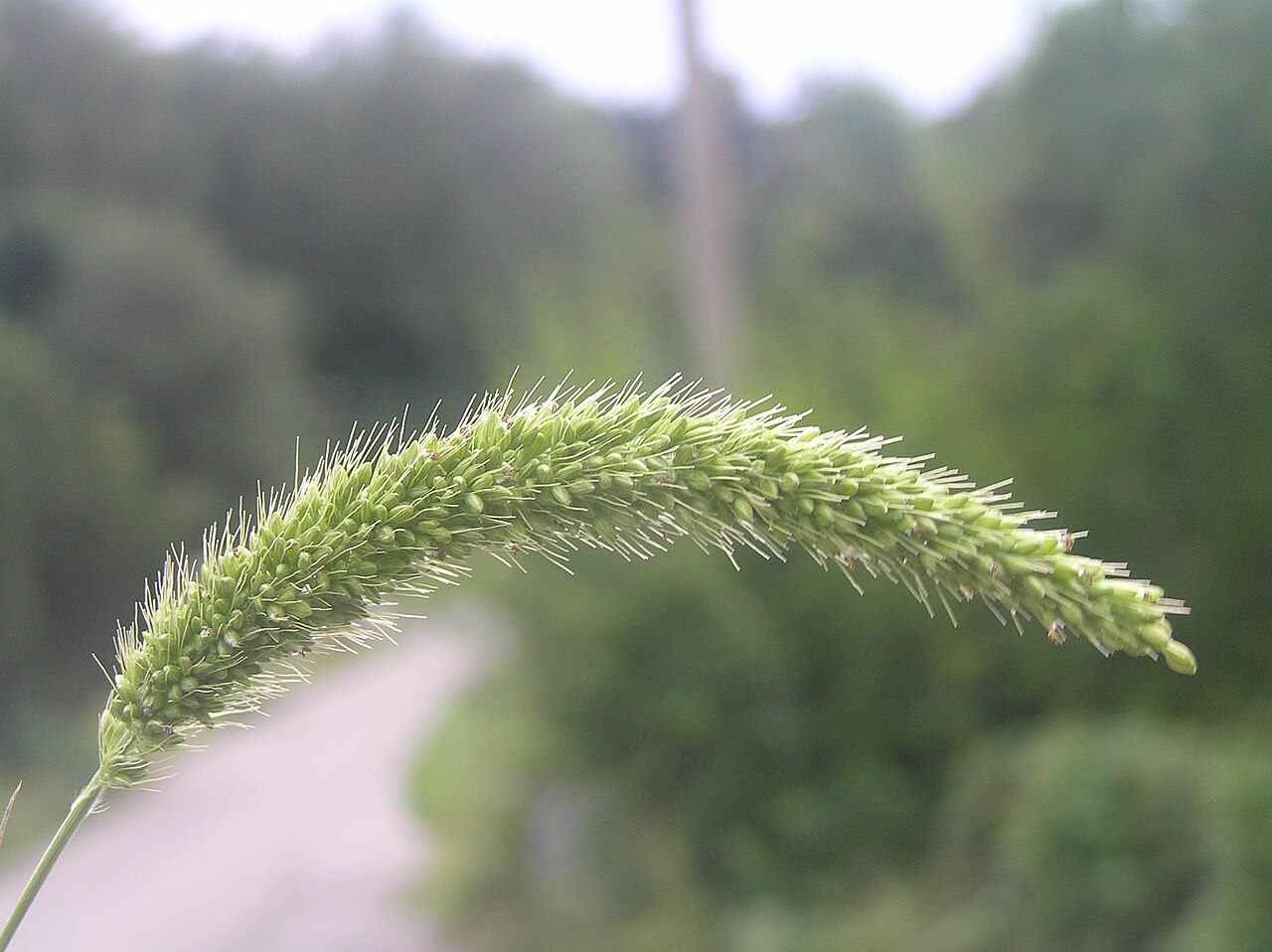
Petr Filippov · CC BY 3.0
Photo source and identification
Original record · Original image

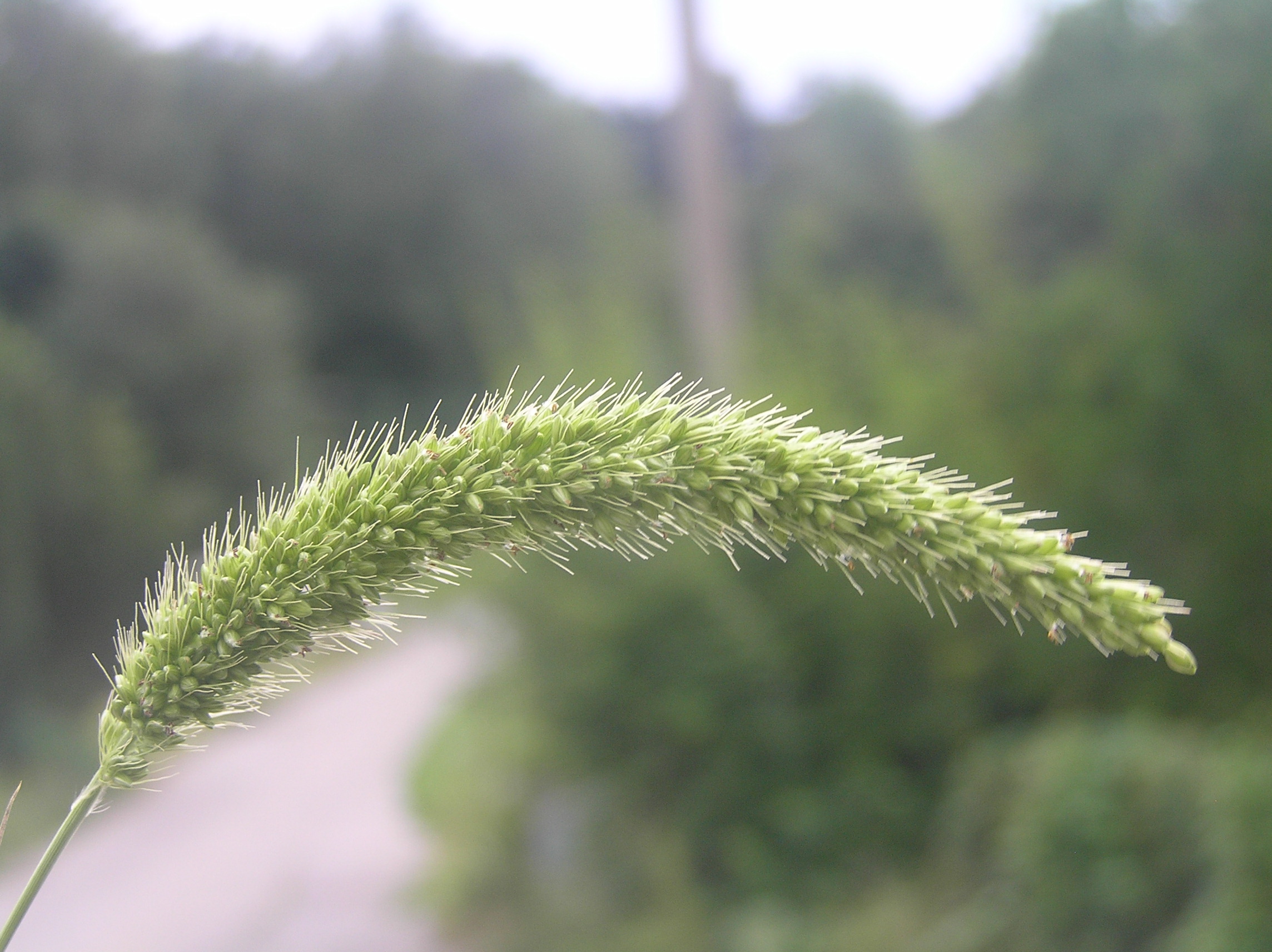
Source page scientific identification plus visual morphology review of the selected photograph. This is a source-identified reference image, not a specimen-based taxonomic determination. Source-identified S. viridis. Other foxtails resemble it; the collar, bristles and spikelet characters need examination on an unknown specimen. A gallery photograph labeled S. faberi was excluded.
Wikimedia server-resized derivative, reduced from the original; no crop, color change, upscaling, or generative editing. Gallery display preserves the full image; catalog preview may use a CSS crop.
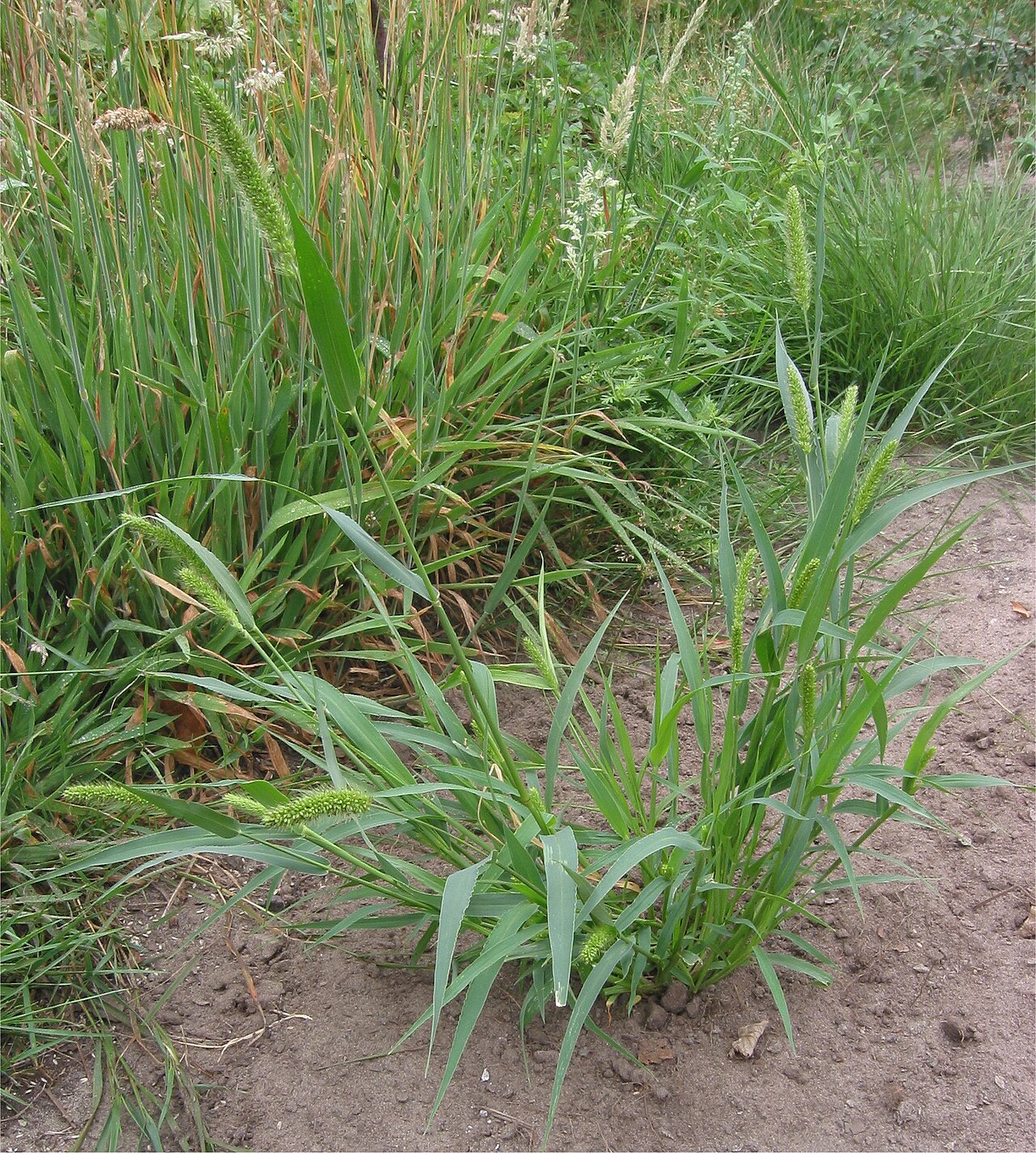
Rasbak · CC BY-SA 3.0
Photo source and identification
Original record · Original image
.jpg)

Source page scientific identification plus visual morphology review of the selected photograph. This is a source-identified reference image, not a specimen-based taxonomic determination. Source-identified S. viridis. Other foxtails resemble it; the collar, bristles and spikelet characters need examination on an unknown specimen. A gallery photograph labeled S. faberi was excluded.
Wikimedia server-resized derivative, reduced from the original; no crop, color change, upscaling, or generative editing. Gallery display preserves the full image; catalog preview may use a CSS crop.
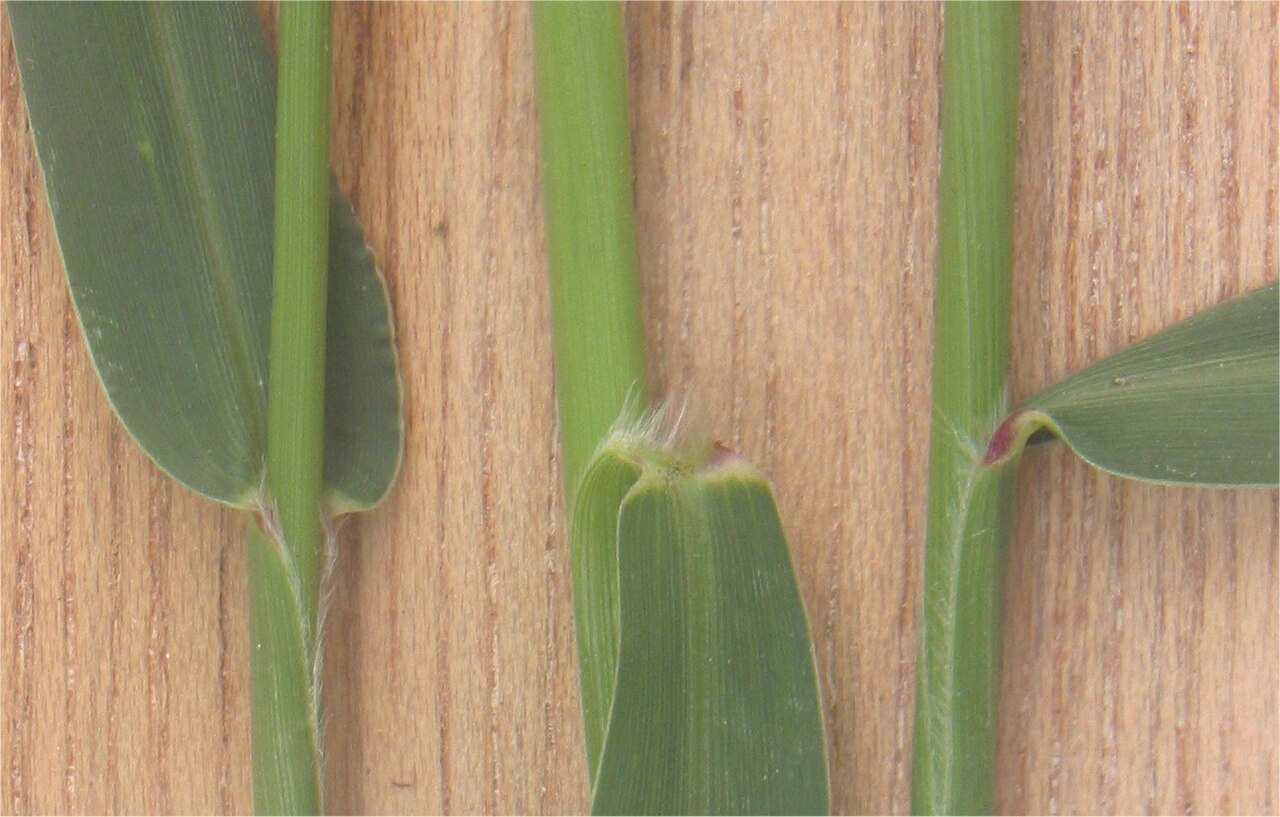
Rasbak · CC BY-SA 3.0
Photo source and identification
Original record · Original image
.jpg)

Source page scientific identification plus visual morphology review of the selected photograph. This is a source-identified reference image, not a specimen-based taxonomic determination. Source-identified S. viridis. Other foxtails resemble it; the collar, bristles and spikelet characters need examination on an unknown specimen. A gallery photograph labeled S. faberi was excluded.
Wikimedia server-resized derivative, reduced from the original; no crop, color change, upscaling, or generative editing. Gallery display preserves the full image; catalog preview may use a CSS crop.
Identification
A summer annual grass with narrow, bristly, cylindrical seedheads. Several bristles surround each small spikelet. It commonly grows in disturbed ground and lawns. N-setaria-viridis
People
The reviewed sources do not establish species-specific ingestion effects or a safe exposure amount for people. Missing evidence does not establish safety.
Dogs & cats
The botanical sources describe bristly seedheads but do not establish the injury rate or ingestion toxicity of this species in pets. Avoid applying foxtail barley or cheatgrass exposure findings to every grass called foxtail. N-setaria-viridis
Other animals
Grazing animals and small mammals eat this grass, but that observation does not provide a safe feeding amount or prove that mature seedheads are harmless. N-setaria-viridis
Plants & habitat
It produces abundant seed and can spread rapidly on disturbed sites. Dense established vegetation is less vulnerable than open, poor-quality ground. N-setaria-viridis
Management & timing
Repair bare lawn patches and prevent seed production. A mowed plant may still form seedheads, so inspect close to the ground. C-descriptions
Before taking action
Confirm identification and the requirements of your county weed program. For chemical treatment, follow the current product label, including restrictions around animals and water. S27
References
- C-floristic-2020 — Colorado Floristic Quality Assessment: 2020 Update, Colorado Natural Heritage Program, Colorado State University. Accessed 2026-09-07T02:27:33+00:00. Locator: Appendix B, Colorado species list: scientific name and native/non-native fields.
- CO-rules-2025 — Colorado Noxious Weed Act rules, 8 CCR 1206-2, Colorado Secretary of State / Department of Agriculture. Accessed 2026-09-07T01:07:48+00:00. Locator: Parts 3.1, 4.1, 5.1; management provisions; effective May 15, 2025.
- N-setaria-viridis — Setaria viridis, NC State Extension. Accessed 2026-09-07T02:23:11+00:00. Locator: Description, identification attributes and plant problems; toxicity section where present.
- C-descriptions — Weed descriptions, Colorado State University Extension. Accessed 2026-09-07T00:24:02+00:00. Locator: Species entries.
- S27 — 2103 – Colorado Noxious Weeds, PlantTalk Colorado · CSU Extension. Accessed 2026-09-07T00:23:57+00:00. Locator: List A, B and C management categories.