Oxeye daisy
Discuss this plant with the guide — choose this profile as a possible match and prepare your observations for Colorado Plants & Practical Care.
Leucanthemum vulgare
Colorado noxious weed · List B — Stop the spread. J-oxeye-daisy
Established in some areas. Requirements vary by location: eradication, containment or suppression to stop further spread. This is a management category, separate from danger ratings. Category source · What the lists mean.
Toxic to dogs and cats; dermatitis. Native status, garden use and noxious-weed class are separate from toxicity. Exposure help.
Identification caveat: ASPCA’s page titled Daisy names Chrysanthemum species, not Leucanthemum vulgare. It is excluded as direct pet evidence; the species-specific NC State account supports the warning here.
Still researching this plant
This is a sourced working profile. The cited findings are available below. Identification and source-photo limits are explained below. Independent botanical and veterinary review is pending. Uncertainty is not a finding that the plant is safe.
Three views of this plant
Photos are source-identified examples, not a complete identification key. Check leaves, stems, flowers and fruit together. Locations are not assumed to be in Colorado.
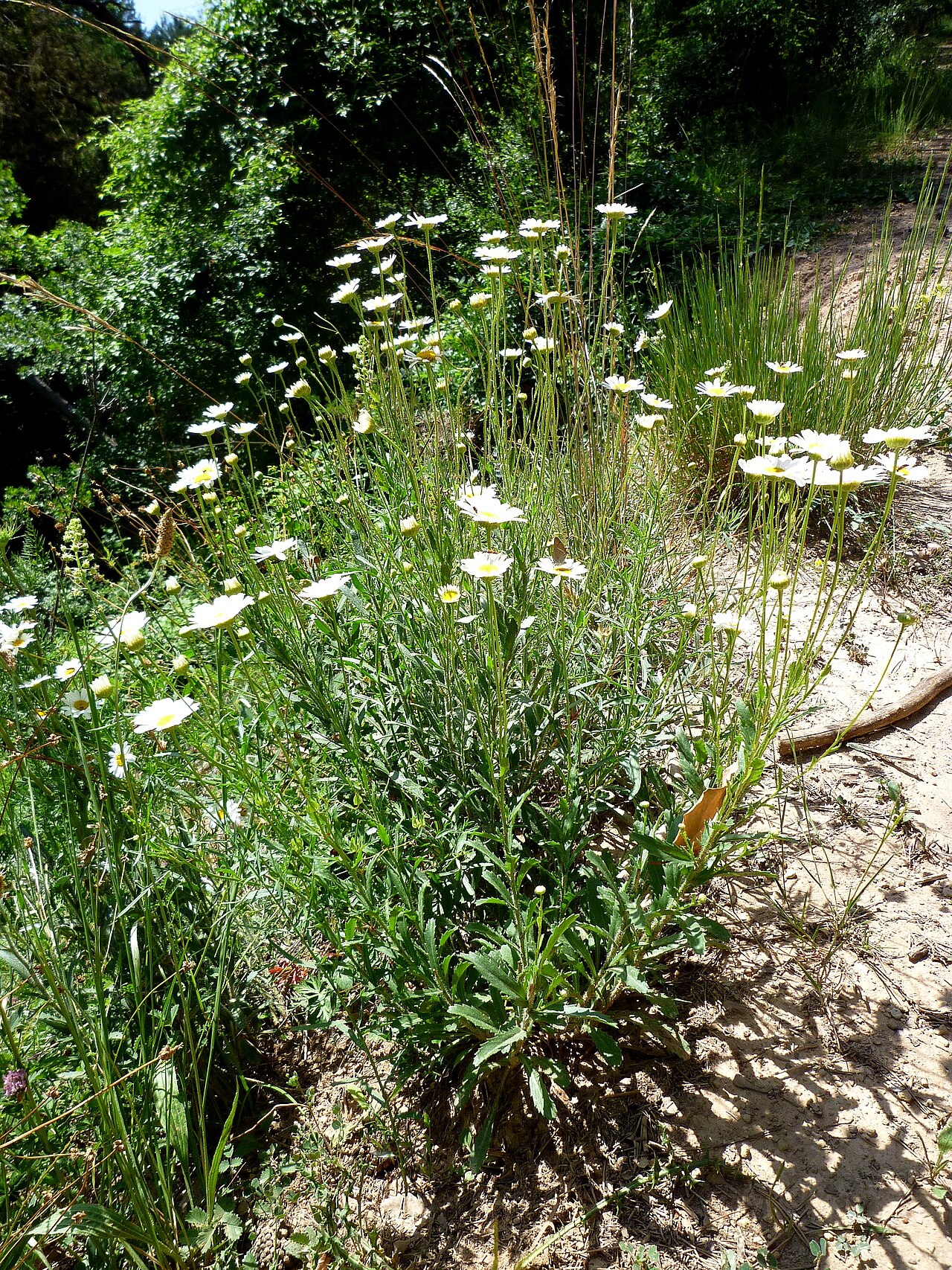
Isidre blanc · CC BY-SA 4.0
Photo source and identification
Original record · Original image
.JPG)

Source page scientific identification plus visual morphology review of the selected photograph. This is a source-identified reference image, not a specimen-based taxonomic determination. Oxeye daisy belongs to a taxonomically difficult group, and ornamental Shasta daisies may resemble it. Selected source photographs are labeled L. vulgare; a photograph alone does not establish cytotype or exclude every close relative.
Wikimedia server-resized derivative; no crop, color change, or generative editing. Gallery display preserves the full image; the catalog preview uses a CSS crop.
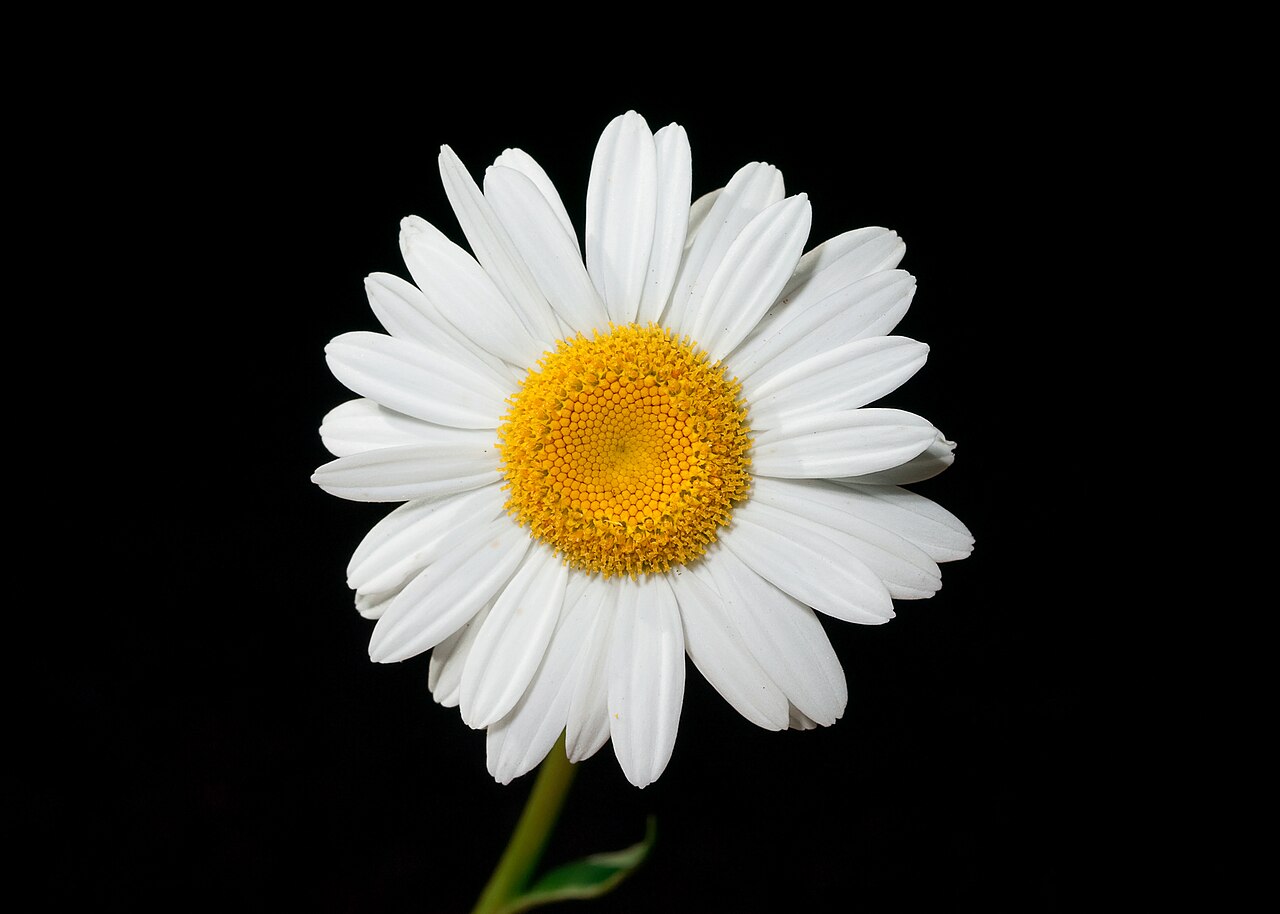
Kaldari · Public domain

Photo source and identification
Original record · Original image


Source page scientific identification plus visual morphology review of the selected photograph. This is a source-identified reference image, not a specimen-based taxonomic determination. Oxeye daisy belongs to a taxonomically difficult group, and ornamental Shasta daisies may resemble it. Selected source photographs are labeled L. vulgare; a photograph alone does not establish cytotype or exclude every close relative.
Wikimedia server-resized derivative; no crop, color change, or generative editing. Gallery display preserves the full image; the catalog preview uses a CSS crop.
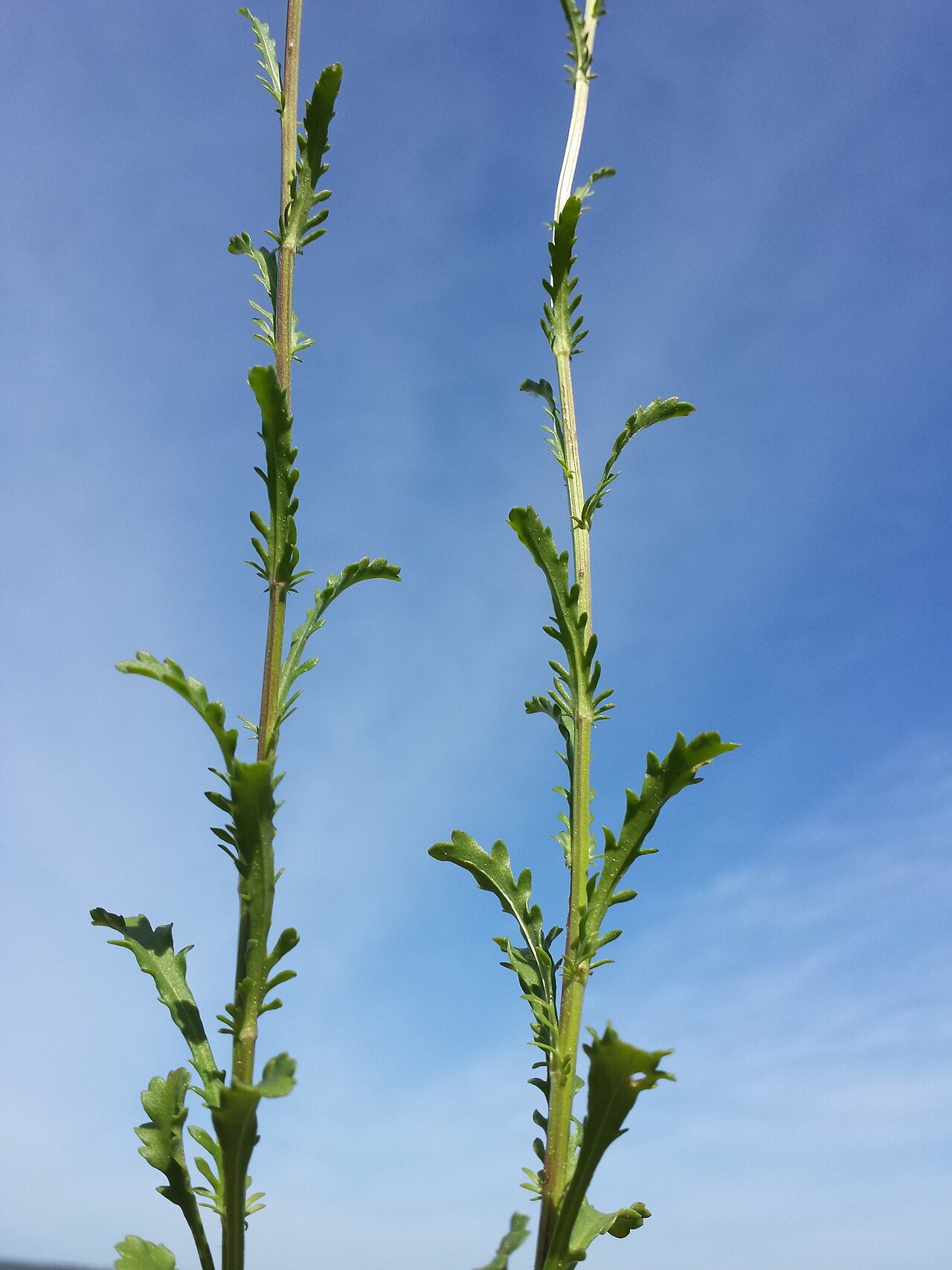
Stefan.lefnaer · CC BY-SA 4.0
Photo source and identification
Original record · Original image
_sl6.jpg)

Source page scientific identification plus visual morphology review of the selected photograph. This is a source-identified reference image, not a specimen-based taxonomic determination. Oxeye daisy belongs to a taxonomically difficult group, and ornamental Shasta daisies may resemble it. Selected source photographs are labeled L. vulgare; a photograph alone does not establish cytotype or exclude every close relative.
Wikimedia server-resized derivative; no crop, color change, or generative editing. Gallery display preserves the full image; the catalog preview uses a CSS crop.
Recognize
White ray flowers around a yellow center, with toothed or lobed leaves; a perennial that spreads through rhizomes. N-leucanthemum-vulgare
Plants & habitat
Introduced ornamental that can spread in meadows and disturbed areas. Prevent seed production and manage the perennial root system. J-oxeye-daisy
People
NC State lists contact dermatitis from leaves and flowers. This guide does not assess edible use. N-leucanthemum-vulgare
Dogs & cats
NC State reports ingestion toxicity, with possible vomiting, diarrhea, drooling, incoordination and dermatitis. Contact a veterinarian after suspected ingestion. N-leucanthemum-vulgare
Other animals
The source flags horses but does not provide a horse-specific exposure assessment; no safe feed amount is established here. N-leucanthemum-vulgare
Before taking action
Confirm the scientific name before removing a plant, changing animal access, or choosing treatment. An evidence gap means this review has not resolved the question. It does not mean safe. For listed weeds, consult your county weed program about the requirements for your location; follow the current label for any pesticide. S27
References
- J-oxeye-daisy — Oxeye Daisy, Jefferson County, Colorado. Accessed 2026-09-07T00:27:24+00:00. Locator: Description, impacts, Colorado list designation, management.
- N-leucanthemum-vulgare — Leucanthemum vulgare — Plant Toolbox, NC State Extension. Accessed 2026-09-07T00:24:01+00:00. Locator: Description, Attributes, Poisonous to Humans, Problems.