Bouncingbet
Discuss this plant with the guide — choose this profile as a possible match and prepare your observations for Colorado Plants & Practical Care.
Saponaria officinalis
Colorado noxious weed · List B — Stop the spread. CO-rules-2025
Established in some areas. Requirements vary by location: eradication, containment or suppression to stop further spread. This is a management category, separate from danger ratings. Category source · What the lists mean.
Saponins can cause digestive poisoning. Exposure help.
Still researching this plant
This is a sourced working profile. Evidence is incomplete for Dogs & cats, Other animals. Independent botanical and veterinary review is pending. Uncertainty is not a finding that the plant is safe.
Three views of this plant
Source-identified reference photographs; these are not a complete identification key. A source location outside Colorado does not establish local occurrence.
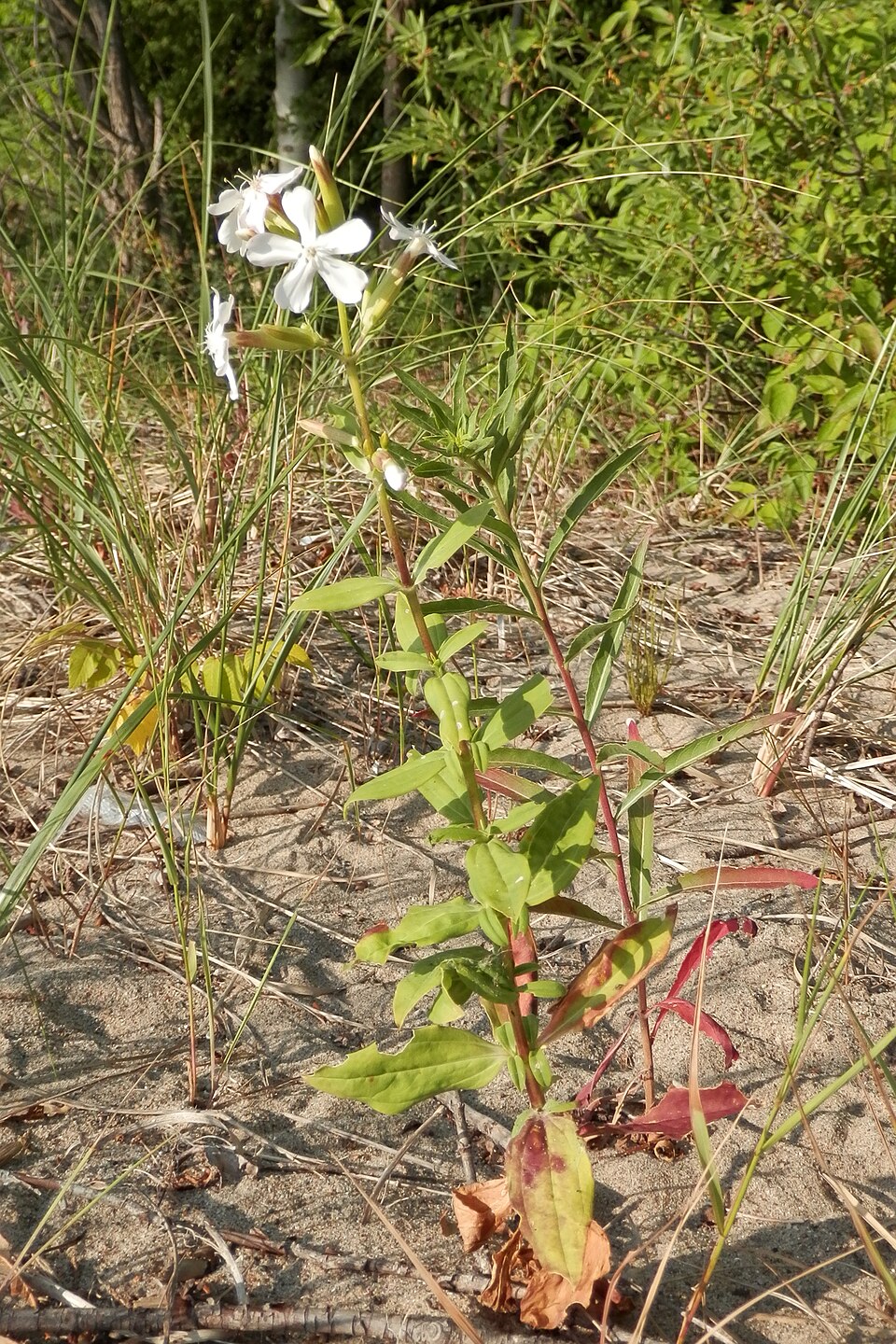
Ryan Hodnett · CC BY-SA 4.0
Photo source and identification
Original record · Original image
_-_Bayfield,_Ontario.jpg)

Source-identified photograph with visual consistency check Common Soapwort ( Saponaria officinalis ) in Bayfield, Ontario, Canada. Source labeling and visible consistency checked; not an independent specimen determination.
Wikimedia-generated thumbnail rescaling only; downloaded bytes unchanged. Gallery display preserves the full image; the catalog preview uses a CSS crop.
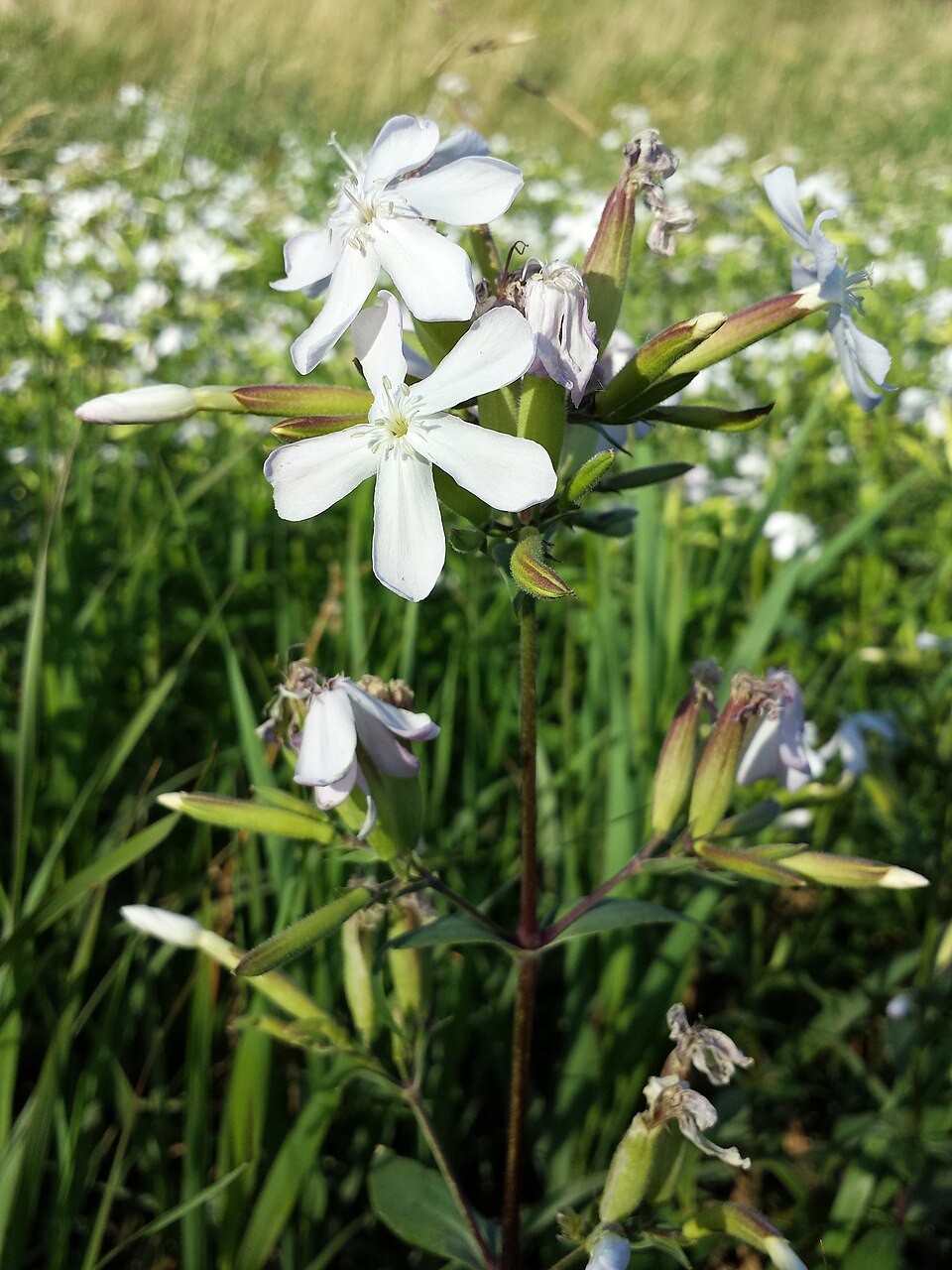
Stefan.lefnaer · CC BY-SA 4.0
Photo source and identification
Original record · Original image


Source-identified photograph with visual consistency check Inflorescence Taxonym: Saponaria officinalis ss Fischer et al. EfÖLS 2008 ISBN 978-3-85474-187-9 Location: Donauinsel next to Schwarzlackenau, Vienna-Floridsdorf - ca. 160 m a.s.l. Habitat: wayside Source labeling and visible consistency checked; not an independent specimen determination.
Wikimedia-generated thumbnail rescaling only; downloaded bytes unchanged. Gallery display preserves the full image; the catalog preview uses a CSS crop.
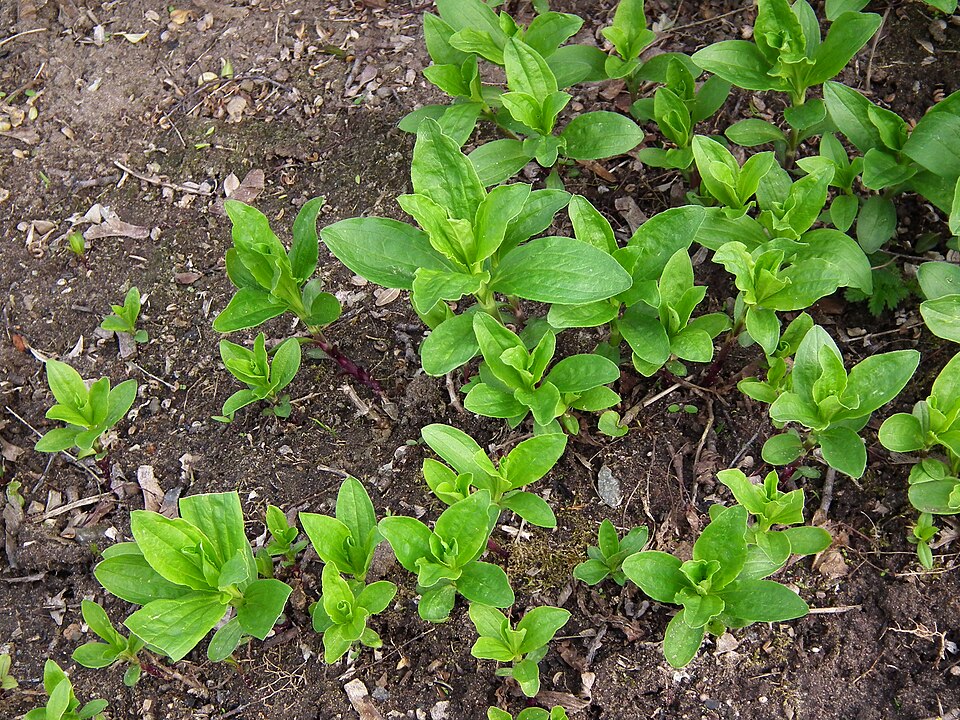
4028mdk09 · CC BY-SA 3.0
Photo source and identification
Original record · Original image


Source-identified photograph with visual consistency check Gewöhnliches Seifenkraut (Saponaria officinalis), fotografiert in Südhessen (Deutschland) Source labeling and visible consistency checked; not an independent specimen determination.
Wikimedia-generated thumbnail rescaling only; downloaded bytes unchanged. Gallery display preserves the full image; the catalog preview uses a CSS crop.
Recognize
An upright perennial with opposite, prominently veined leaves and pink or white flowers with five notched petals. N-saponaria-officinalis
Plants & habitat
An introduced garden escape occurring along roads and disturbed places. Historical soap use does not establish ingestion safety. N-saponaria-officinalis
People
Saponic glycosides in roots and seeds can cause nausea, vomiting and diarrhea. N-saponaria-officinalis
Dogs & cats
The reviewed sources do not establish species-specific ingestion effects or a safe exposure amount for dogs or cats. Missing evidence does not establish safety.
Other animals
The reviewed sources do not establish species-specific ingestion effects or a safe exposure amount for livestock. Missing evidence does not establish safety.
Before taking action
Confirm identification and the requirements of your county weed program. For chemical treatment, follow the current product label, including restrictions around animals and water. S27
References
- CO-rules-2025 — Colorado Noxious Weed Act rules, 8 CCR 1206-2, Colorado Secretary of State / Department of Agriculture. Accessed 2026-09-07T01:07:48+00:00. Locator: Parts 3.1, 4.1, 5.1; management provisions; effective May 15, 2025.
- N-saponaria-officinalis — saponaria officinalis — Plant Toolbox, NC State Extension. Accessed 2026-09-07T01:04:53+00:00. Locator: Description; Attributes; Problems; Poisonous to Humans.
- S27 — 2103 – Colorado Noxious Weeds, PlantTalk Colorado · CSU Extension. Accessed 2026-09-07T00:23:57+00:00. Locator: List A, B and C management categories.