White sweetclover
Discuss this plant with the guide — choose this profile as a possible match and prepare your observations for Colorado Plants & Practical Care.
Melilotus albus
Common introduced weed · not on state Lists A/B/C. C-floristic-2020 CO-rules-2025
Moldy sweetclover hay can cause dangerous bleeding. Exposure help.
Identification caveat: Older sources often spell the name Melilotus alba. This is not white clover (Trifolium repens). Sweetclover hay warnings are specific to the documented feed conditions, not a pet dose calculation.
Still researching this plant
This is a sourced working profile. Evidence is incomplete for People, Dogs & cats. Identification and source-photo limits are explained below. Independent botanical and veterinary review is pending. Uncertainty is not a finding that the plant is safe.
Three views of this plant
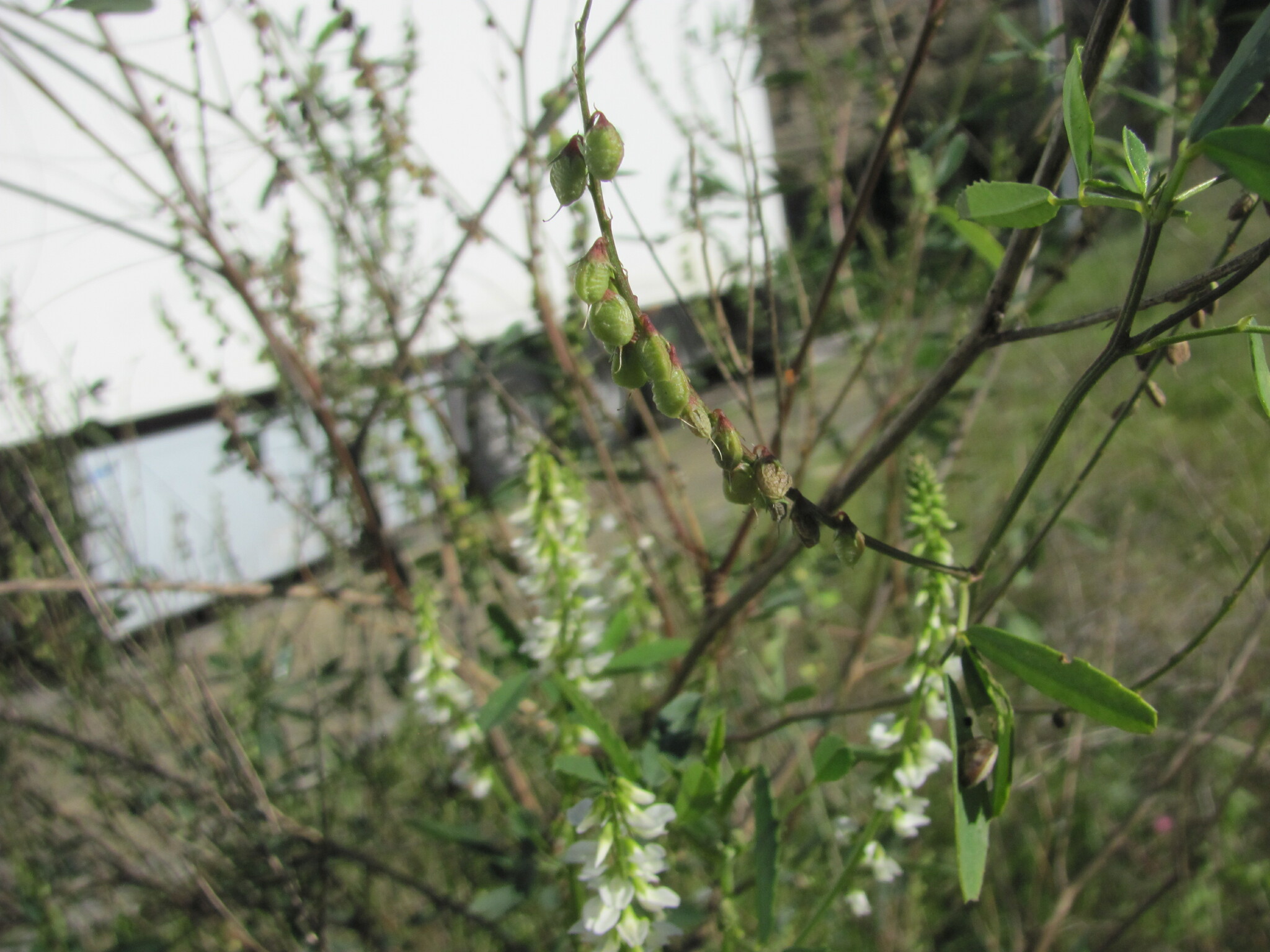
Source-identified reference photographs; these are not a complete identification key. A source location outside Colorado does not establish local occurrence.
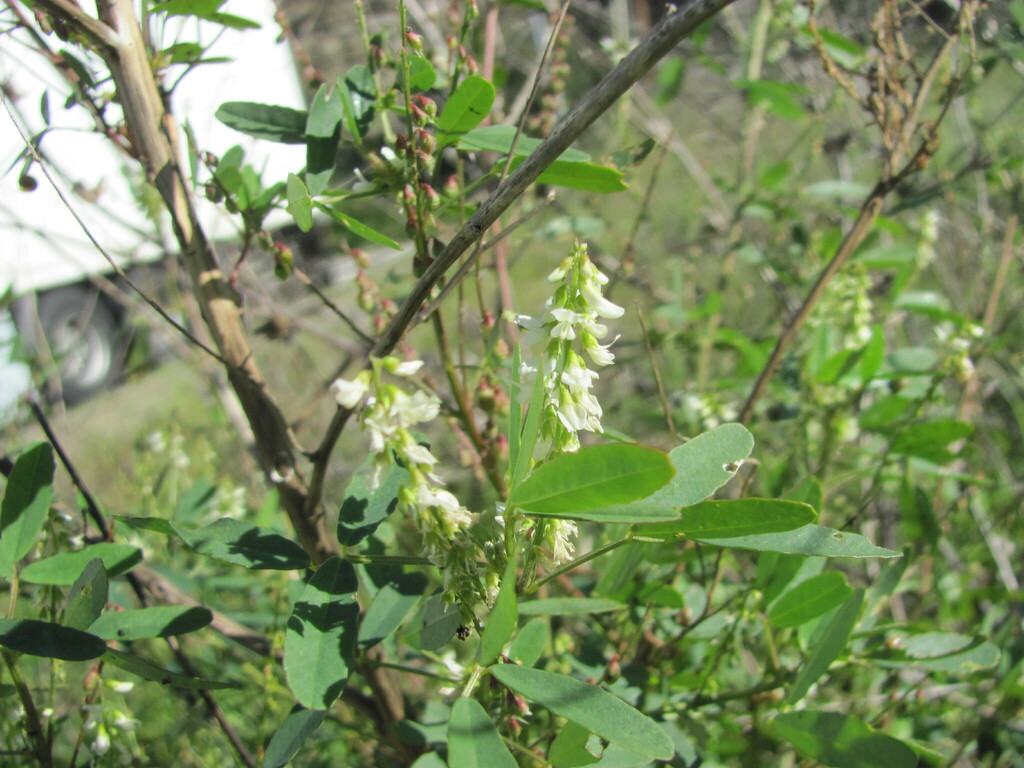
zebedeugalinha · CC BY 4.0
Photo source and identification
Original record · Original image
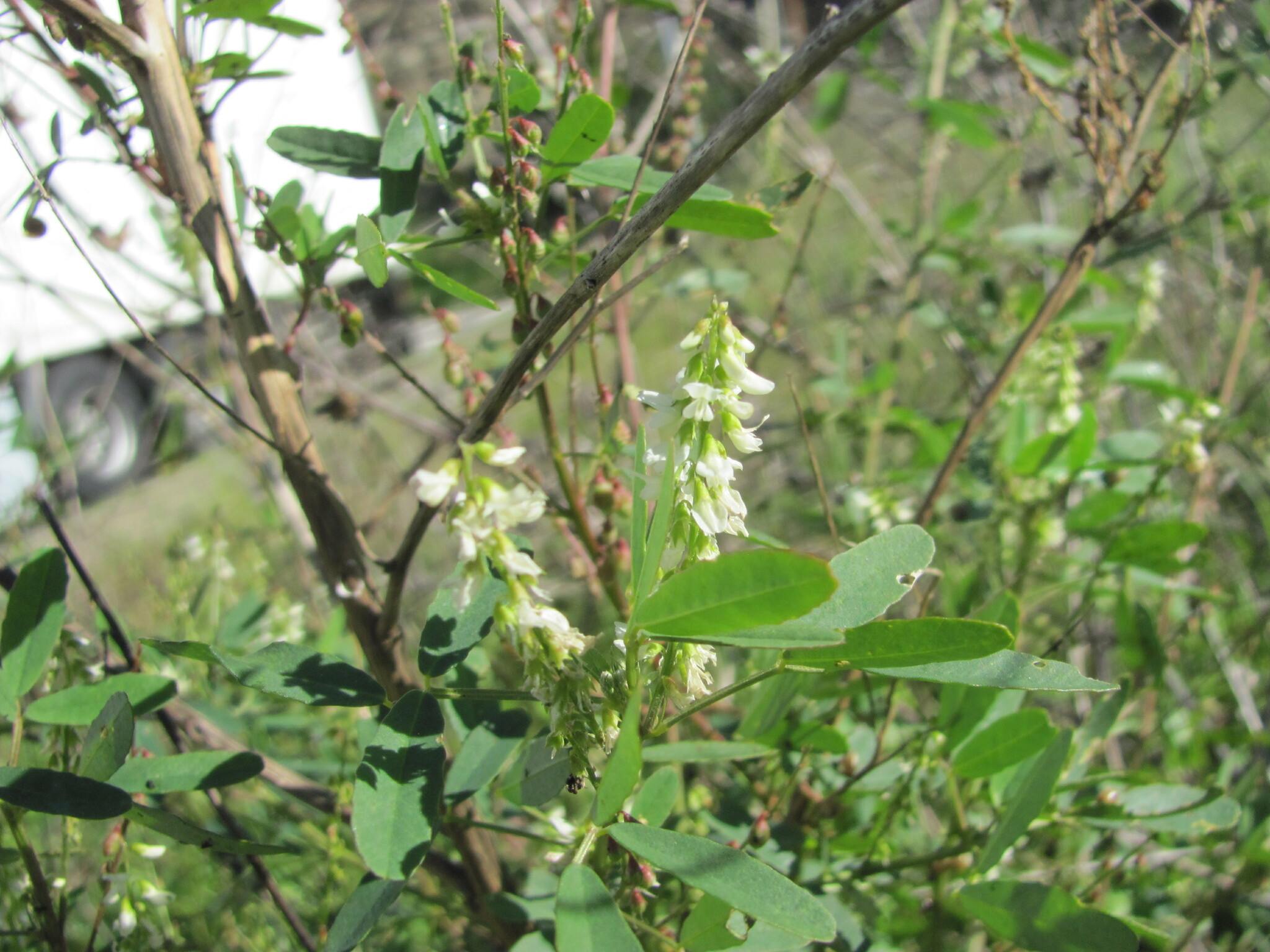
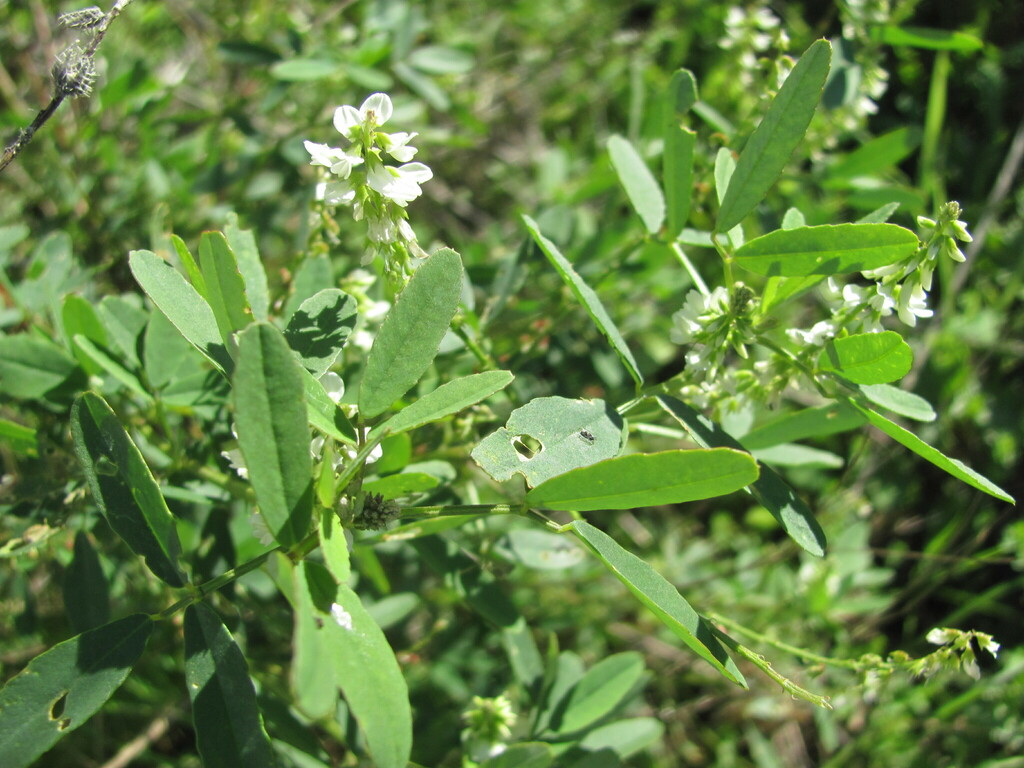
Source scientific identification plus visual morphology review of the selected photograph. This is a source-identified reference, not an independent specimen-based taxonomic determination. Identification follows the source. White flowers, three-part leaves and pods are shown; no yellow-flowered sweetclover was substituted.
iNaturalist large server-resized photo; no local crop, colour change or generative editing. Gallery display preserves the full image; catalog preview may use a CSS crop.
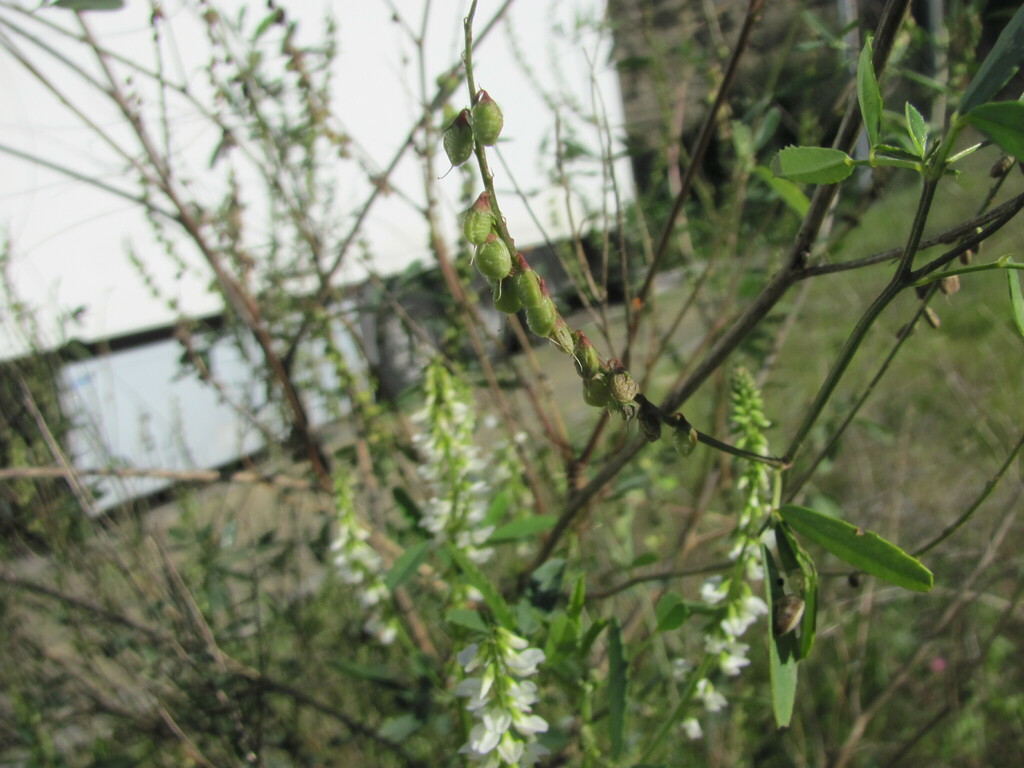
zebedeugalinha · CC BY 4.0
Photo source and identification
Original record · Original image
Source scientific identification plus visual morphology review of the selected photograph. This is a source-identified reference, not an independent specimen-based taxonomic determination. Identification follows the source. White flowers, three-part leaves and pods are shown; no yellow-flowered sweetclover was substituted.
iNaturalist large server-resized photo; no local crop, colour change or generative editing. Gallery display preserves the full image; catalog preview may use a CSS crop.
zebedeugalinha · CC BY 4.0
Photo source and identification
Original record · Original image
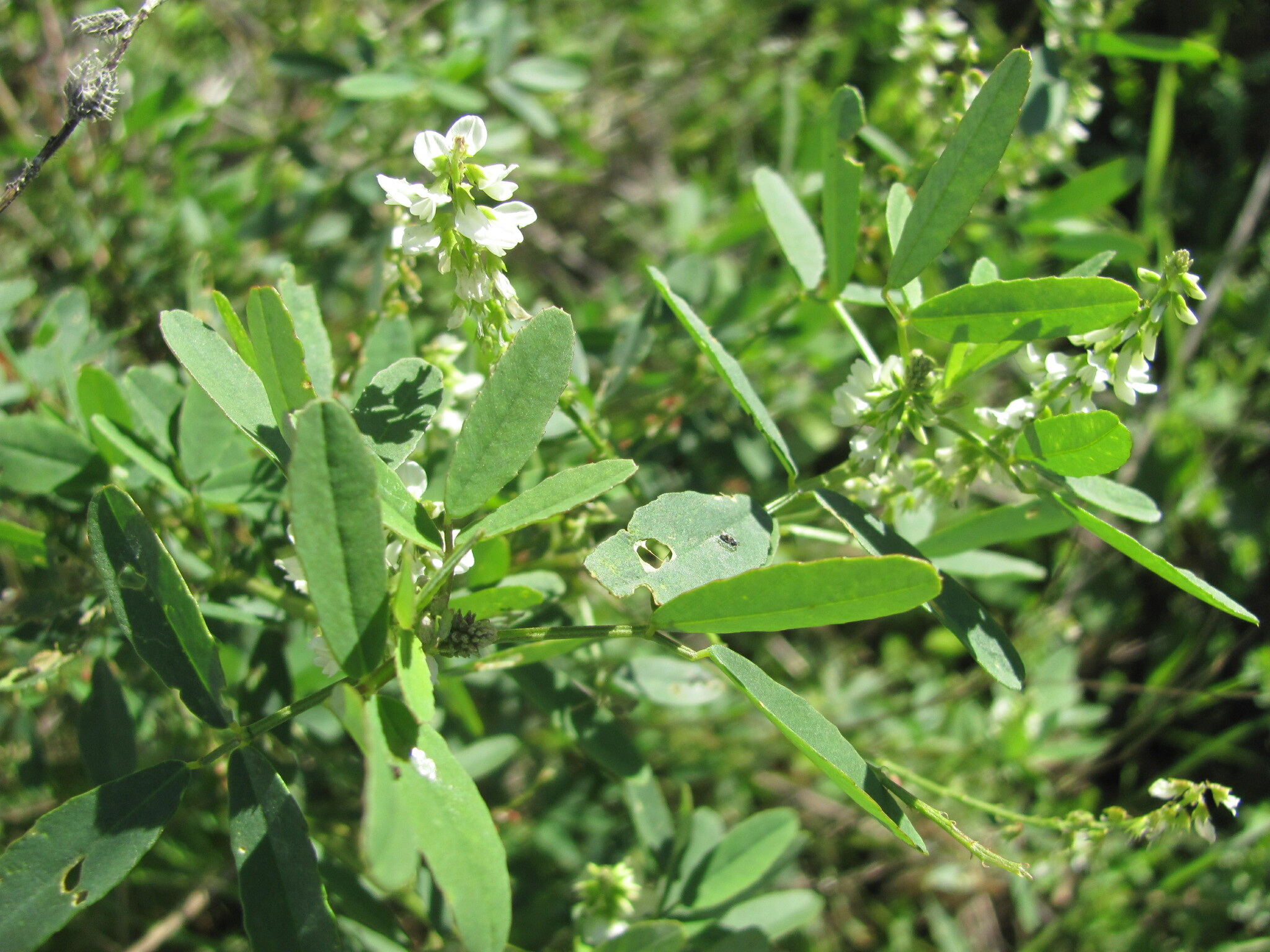
Source scientific identification plus visual morphology review of the selected photograph. This is a source-identified reference, not an independent specimen-based taxonomic determination. Identification follows the source. White flowers, three-part leaves and pods are shown; no yellow-flowered sweetclover was substituted.
iNaturalist large server-resized photo; no local crop, colour change or generative editing. Gallery display preserves the full image; catalog preview may use a CSS crop.
Identification
Usually a tall biennial with three leaflets and long clusters of small white flowers. Fresh flowers distinguish it from yellow sweetclover; dried flowers may be misleading. F-melilotus
People
The reviewed sources do not establish species-specific ingestion effects or a safe exposure amount for people. Missing evidence does not establish safety.
Dogs & cats
The reviewed sources do not establish species-specific ingestion effects or a safe exposure amount for dogs or cats. Missing evidence does not establish safety.
Other animals
Moldy or improperly cured sweetclover hay can cause impaired clotting and fatal bleeding. Diets dominated by sweetclover may also cause bloat. F-melilotus
Evidence scope: Sweetclover group evidence.
Plants & habitat
A nonnative legume that supplies forage and pollinator resources but can spread into disturbed and natural vegetation. F-melilotus
Management & timing
Prevent seed production where unwanted and monitor subsequent seedlings. Have suspect hay assessed before feeding. F-melilotus
Evidence scope: Management synthesis.
Before taking action
Confirm identification and the requirements of your county weed program. For chemical treatment, follow the current product label, including restrictions around animals and water. S27
References
- C-floristic-2020 — Colorado Floristic Quality Assessment: 2020 Update, Colorado Natural Heritage Program, Colorado State University. Accessed 2026-09-07T02:27:33+00:00. Locator: Appendix B, Colorado species list: scientific name and native/non-native fields.
- CO-rules-2025 — Colorado Noxious Weed Act rules, 8 CCR 1206-2, Colorado Secretary of State / Department of Agriculture. Accessed 2026-09-07T01:07:48+00:00. Locator: Parts 3.1, 4.1, 5.1; management provisions; effective May 15, 2025.
- F-melilotus — White and yellow sweetclover, USDA Forest Service, Fire Effects Information System. Accessed 2026-09-07T02:26:14+00:00. Locator: Named species or genus; identification, distribution and hazard sections where available.
- S27 — 2103 – Colorado Noxious Weeds, PlantTalk Colorado · CSU Extension. Accessed 2026-09-07T00:23:57+00:00. Locator: List A, B and C management categories.