Wild parsnip
Discuss this plant with the guide — choose this profile as a possible match and prepare your observations for Colorado Plants & Practical Care.
Pastinaca sativa
Common introduced weed · not on state Lists A/B/C. C-floristic-2020 CO-rules-2025
Sap plus sunlight can cause severe skin burns. Exposure help.
Identification caveat: Garden parsnip cultivars and wild plants belong to the same species. Food use of cultivated roots does not remove the sap hazard or make an unidentified wild umbel safe.
Still researching this plant
This is a sourced working profile. Evidence is incomplete for Dogs & cats, Other animals. Identification and source-photo limits are explained below. Independent botanical and veterinary review is pending. Uncertainty is not a finding that the plant is safe.
Three views of this plant
Source-identified reference photographs; these are not a complete identification key. A source location outside Colorado does not establish local occurrence.
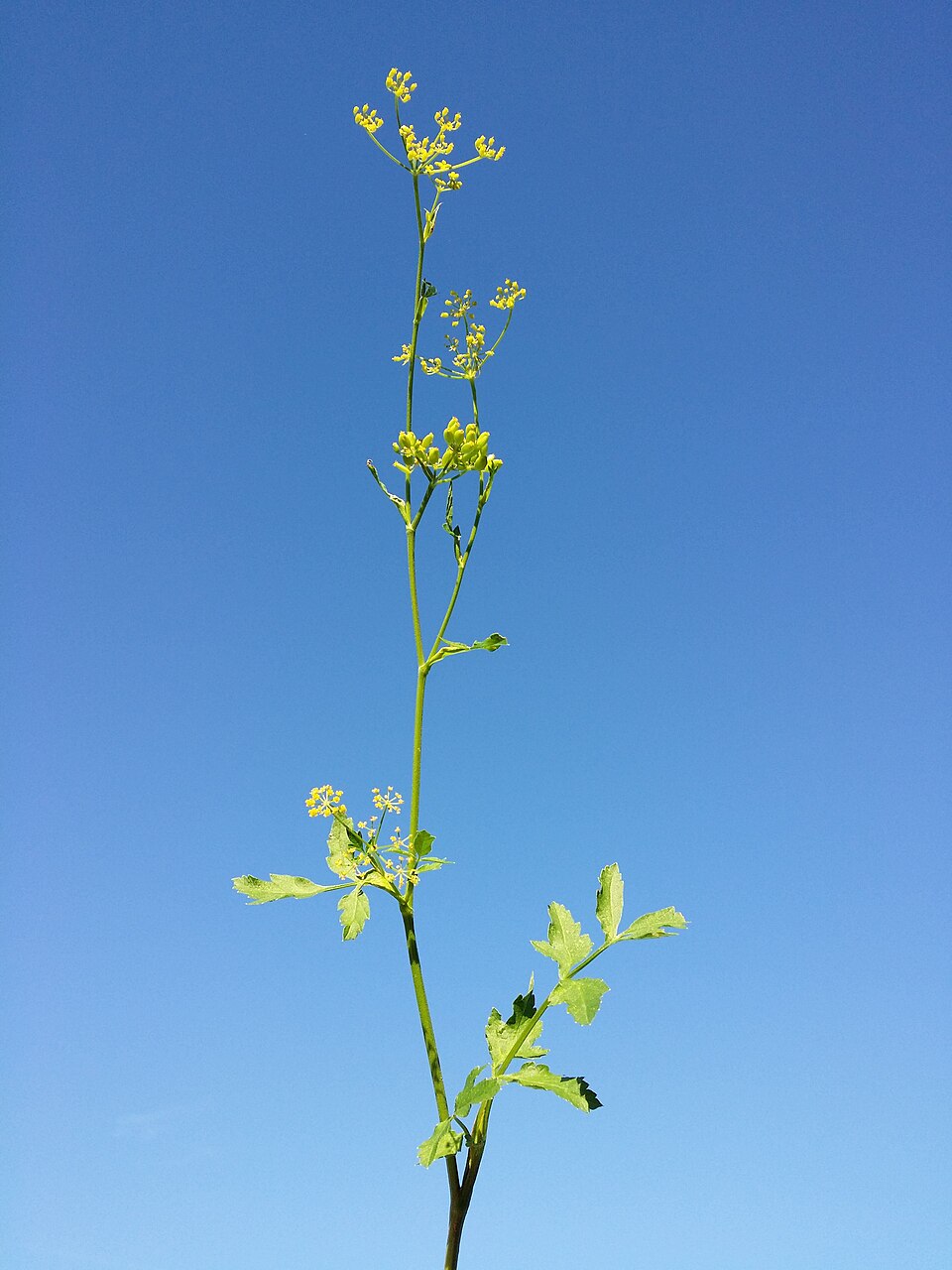
Stefan.lefnaer · CC BY-SA 4.0
Photo source and identification
Original record · Original image


Source scientific identification plus visual morphology review of the selected photograph. This is a source-identified reference, not an independent specimen-based taxonomic determination. Two Commons source photographs are identified as Pastinaca sativa subsp. sativa; the stem source uses s. lat. The fruit photograph is source-identified at species level as Pastinaca sativa. Umbellifer identification should not rely on flower colour alone.
Wikimedia server-resized derivative; no local crop, colour change or generative editing. Gallery display preserves the full image; catalog preview may use a CSS crop.
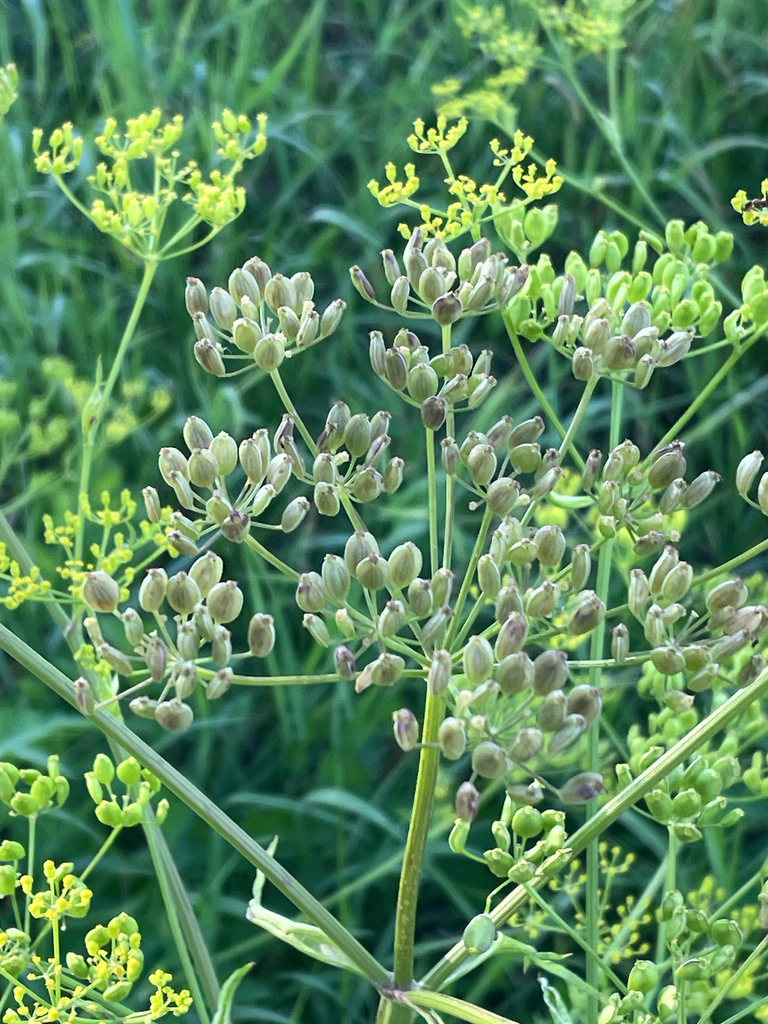
Llydia · CC0 1.0
Photo source and identification
Original record · Original image
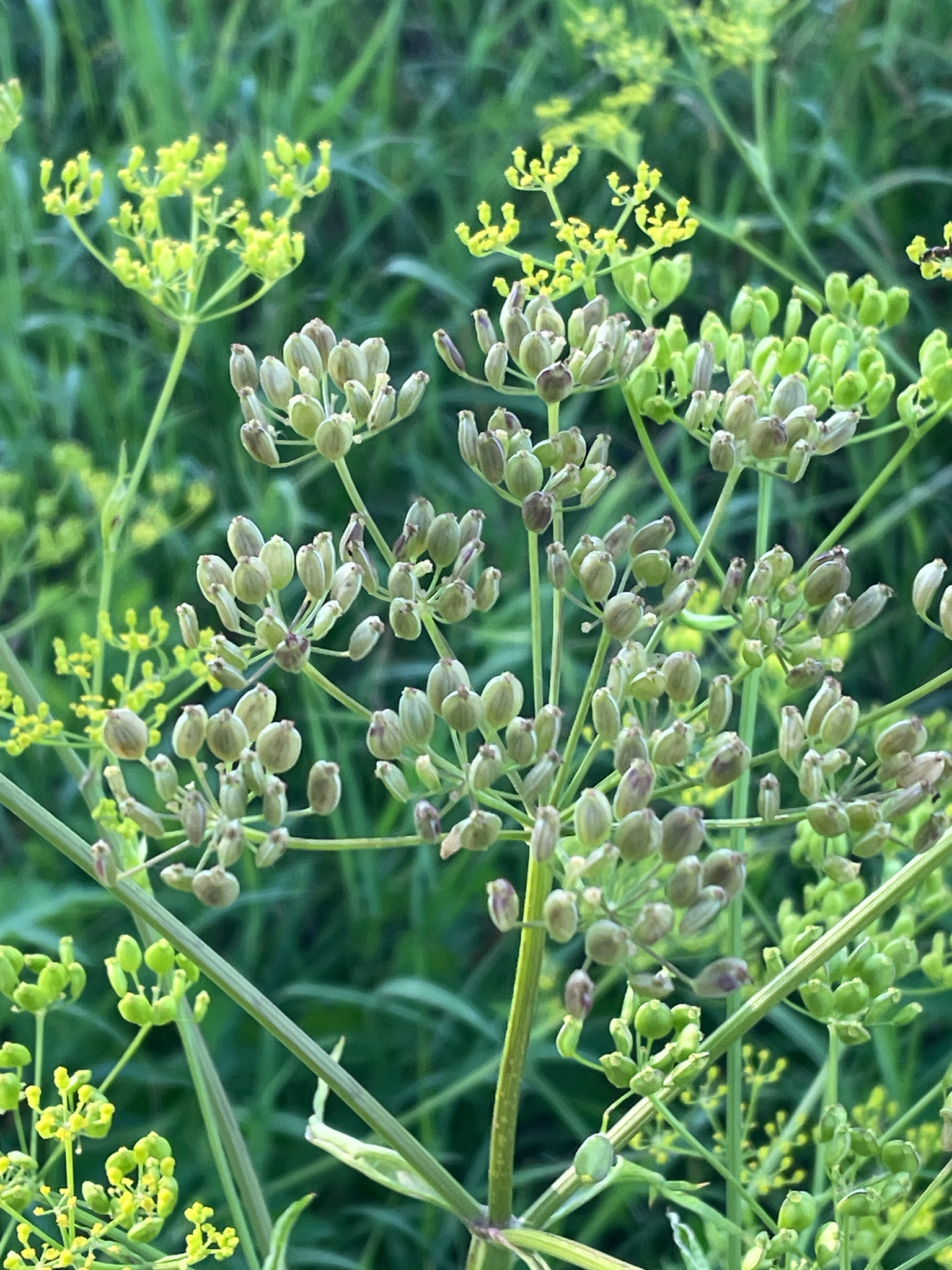
Source scientific identification plus visual morphology review of the selected photograph. This is a source-identified reference, not an independent specimen-based taxonomic determination. Two Commons source photographs are identified as Pastinaca sativa subsp. sativa; the stem source uses s. lat. The fruit photograph is source-identified at species level as Pastinaca sativa. Umbellifer identification should not rely on flower colour alone.
iNaturalist large server-resized photo; no local crop, colour change or generative editing. Gallery display preserves the full image; catalog preview may use a CSS crop.
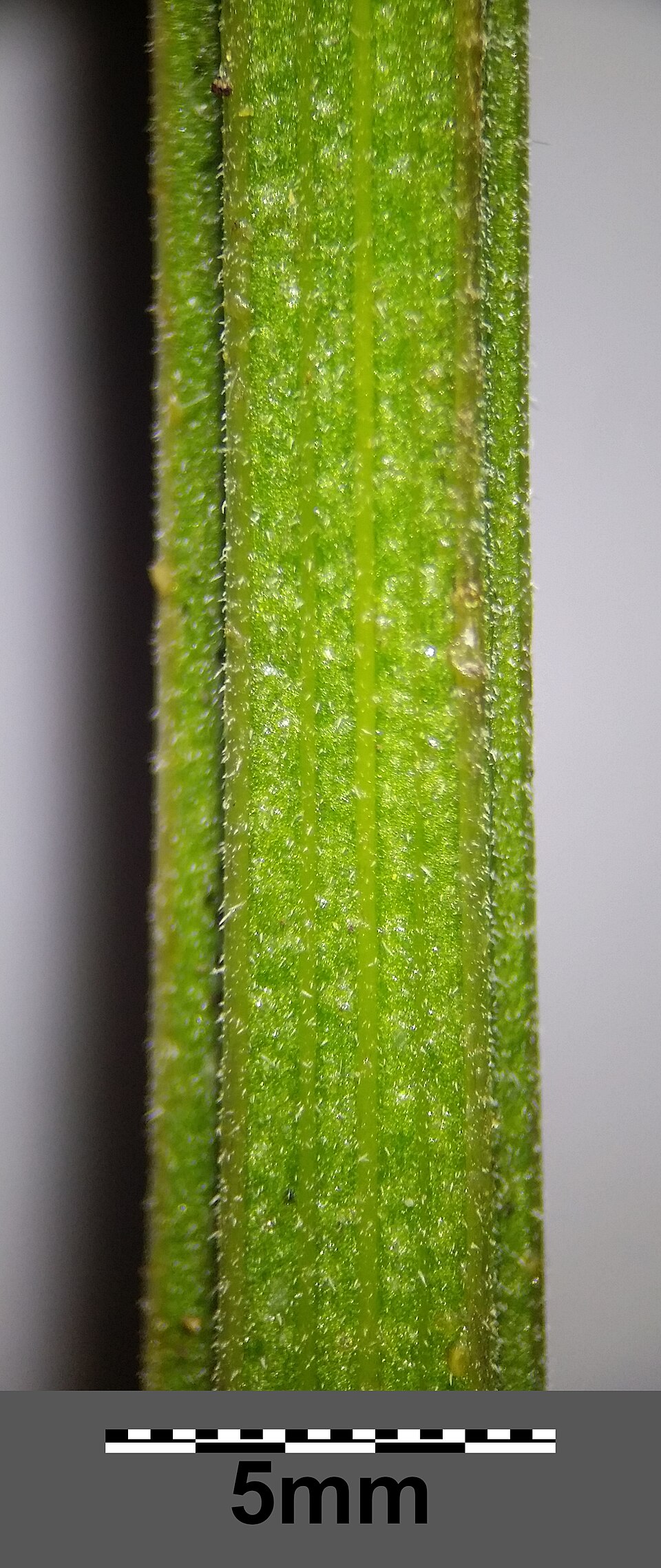
Stefan.lefnaer · CC BY-SA 4.0
Photo source and identification
Original record · Original image

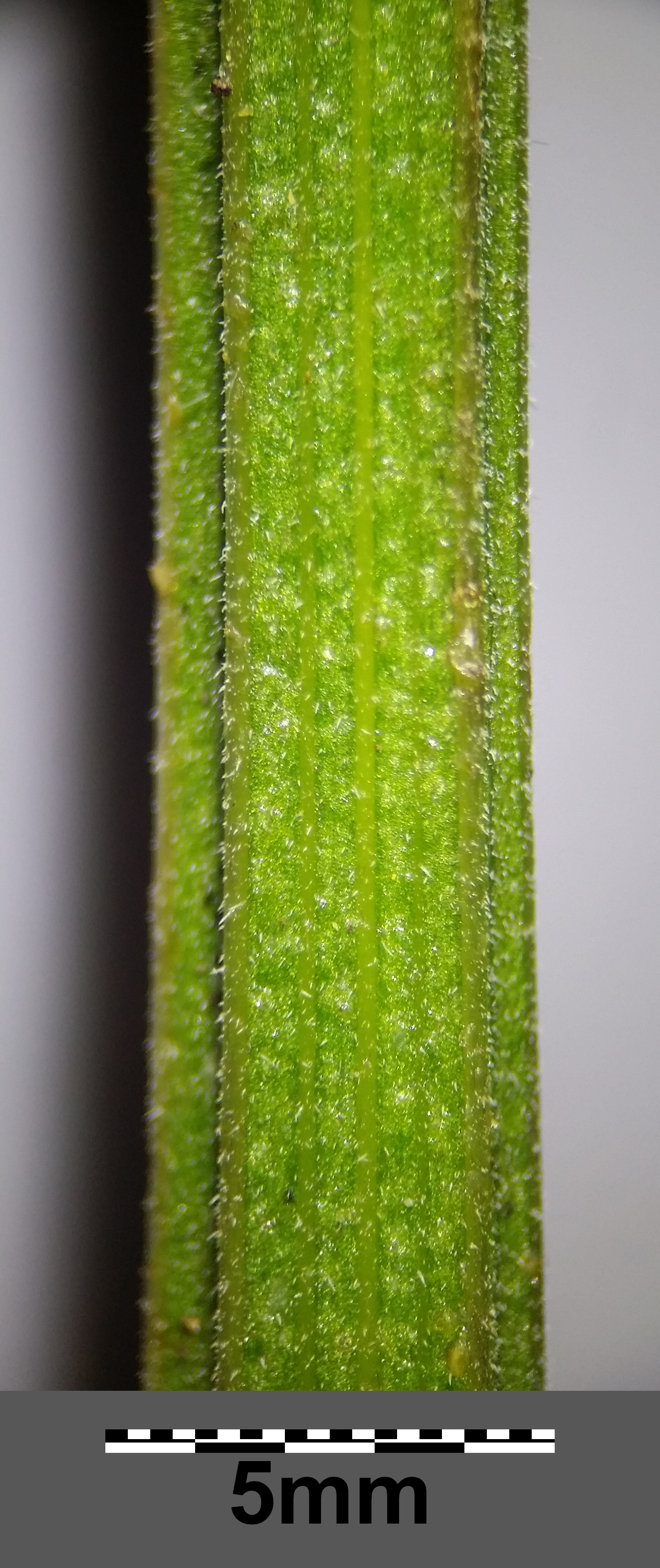
Source scientific identification plus visual morphology review of the selected photograph. This is a source-identified reference, not an independent specimen-based taxonomic determination. Two Commons source photographs are identified as Pastinaca sativa subsp. sativa; the stem source uses s. lat. The fruit photograph is source-identified at species level as Pastinaca sativa. Umbellifer identification should not rely on flower colour alone.
Wikimedia server-resized derivative; no local crop, colour change or generative editing. Gallery display preserves the full image; catalog preview may use a CSS crop.
Identification
A biennial with a first-year leaf rosette and later tall, grooved stems bearing yellow flower umbels. Leaves are compound with broad, toothed leaflets. N-pastinaca-sativa
People
Furocoumarins can make contacted skin sensitive to sunlight, causing burns and blisters. Avoid sap; wear gloves, long sleeves and long trousers when working near it. N-pastinaca-sativa
Dogs & cats
NC State flags this species as a problem for dogs and cats. Keep pets away from damaged plants and sap; pet-specific exposure amounts and clinical outcomes remain unresolved in the reviewed source. N-pastinaca-sativa
Other animals
The reviewed sources do not establish species-specific ingestion effects or a safe exposure amount for livestock. Missing evidence does not establish safety.
Plants & habitat
An introduced plant of open sites and roadsides, it can reseed into unwanted patches. Its Colorado presence is recorded by CNHP. N-pastinaca-sativa C-floristic-2020
Management & timing
Prevent seed formation only with protection against sap contact. Identification and a site-specific plan come before mowing or cutting a large patch. N-pastinaca-sativa
Evidence scope: Management synthesis from seed spread and contact hazard.
Before taking action
Confirm identification and the requirements of your county weed program. For chemical treatment, follow the current product label, including restrictions around animals and water. S27
References
- C-floristic-2020 — Colorado Floristic Quality Assessment: 2020 Update, Colorado Natural Heritage Program, Colorado State University. Accessed 2026-09-07T02:27:33+00:00. Locator: Appendix B, Colorado species list: scientific name and native/non-native fields.
- CO-rules-2025 — Colorado Noxious Weed Act rules, 8 CCR 1206-2, Colorado Secretary of State / Department of Agriculture. Accessed 2026-09-07T01:07:48+00:00. Locator: Parts 3.1, 4.1, 5.1; management provisions; effective May 15, 2025.
- N-pastinaca-sativa — Pastinaca sativa, NC State Extension. Accessed 2026-09-07T02:23:12+00:00. Locator: Description, identification attributes and plant problems; toxicity section where present.
- S27 — 2103 – Colorado Noxious Weeds, PlantTalk Colorado · CSU Extension. Accessed 2026-09-07T00:23:57+00:00. Locator: List A, B and C management categories.