Broom snakeweed
Discuss this plant with the guide — choose this profile as a possible match and prepare your observations for Colorado Plants & Practical Care.
Gutierrezia sarothrae
Native Colorado plant · not on state Lists A/B/C. C-floristic-2020 CO-rules-2025
Livestock poisoning and abortion risk when heavily eaten. Exposure help.
Identification caveat: Distinct from threadleaf snakeweed (Gutierrezia microcephala) and annual broomweeds. Toxicity varies; published livestock findings do not provide pet exposure limits.
Still researching this plant
This is a sourced working profile. Evidence is incomplete for People, Dogs & cats. Identification and source-photo limits are explained below. Independent botanical and veterinary review is pending. Uncertainty is not a finding that the plant is safe.
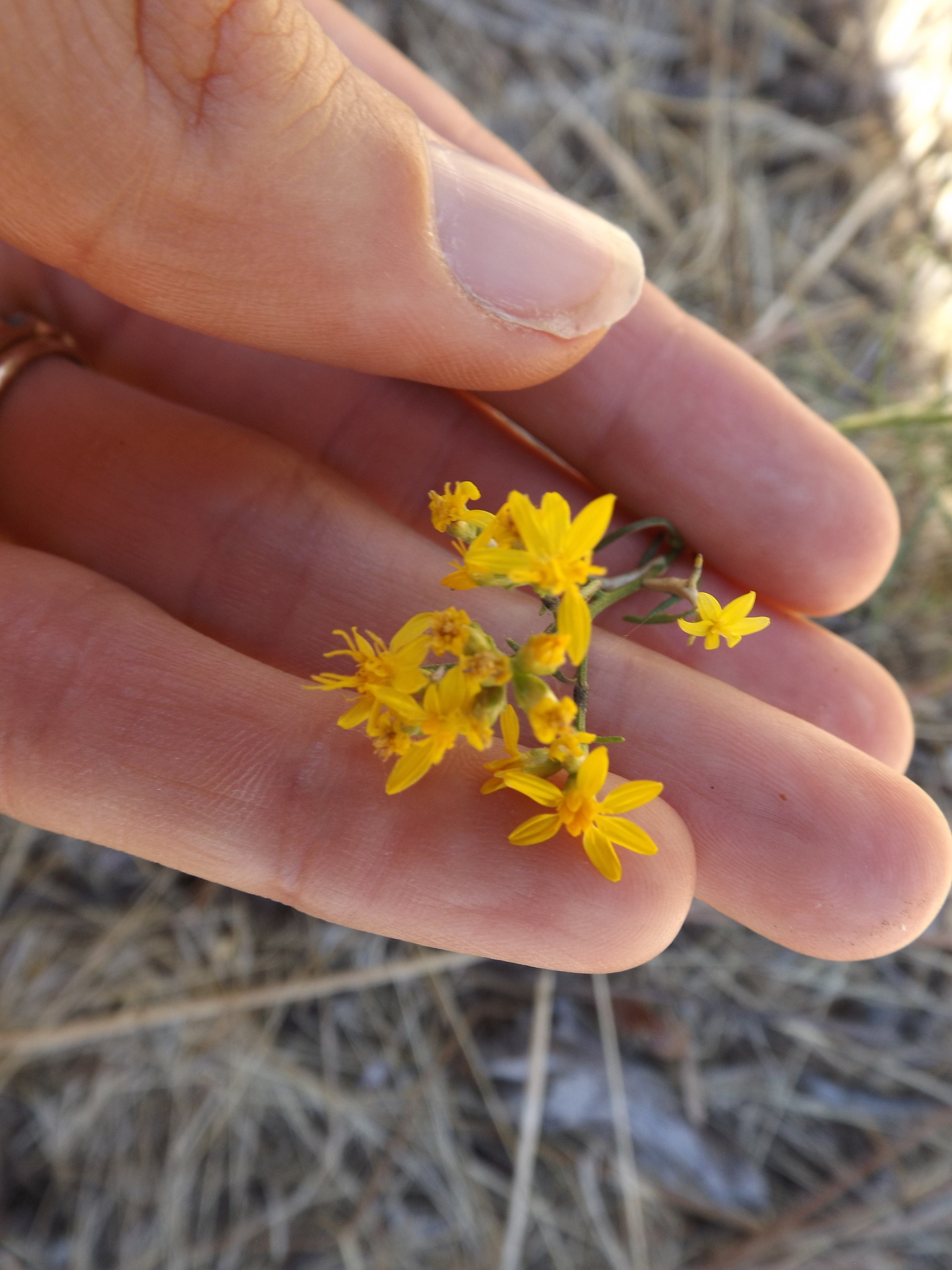
Three views of this plant
Source-identified reference photographs; these are not a complete identification key. A source location outside Colorado does not establish local occurrence.
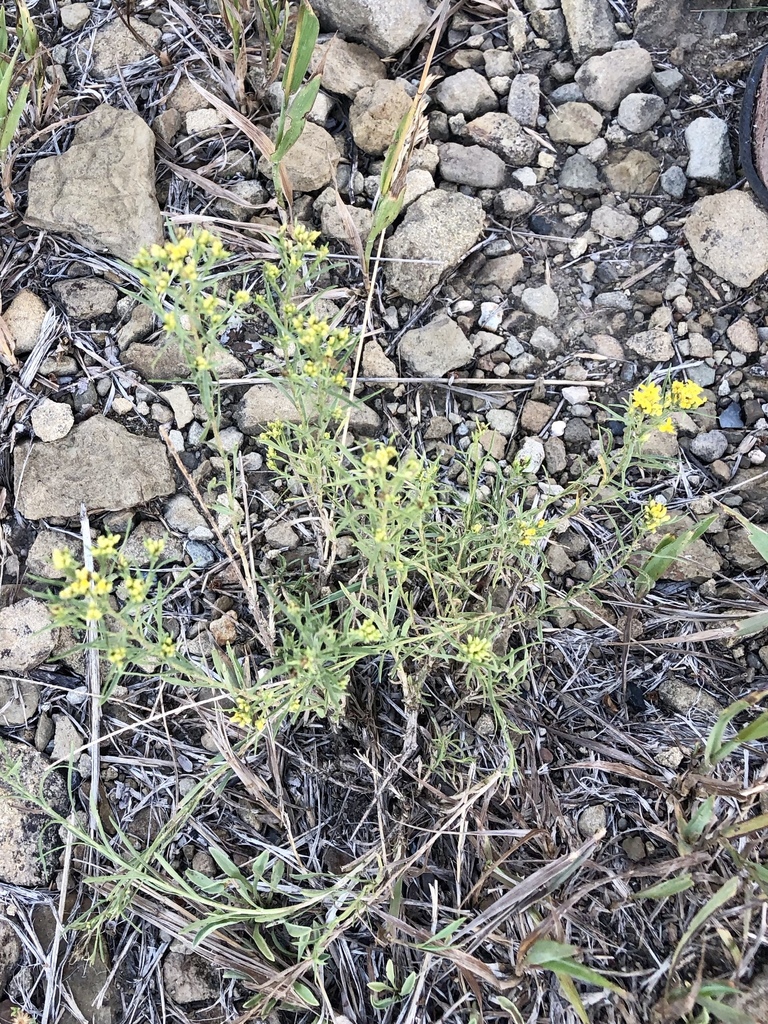
CK2AZ · CC BY 4.0
Photo source and identification
Original record · Original image
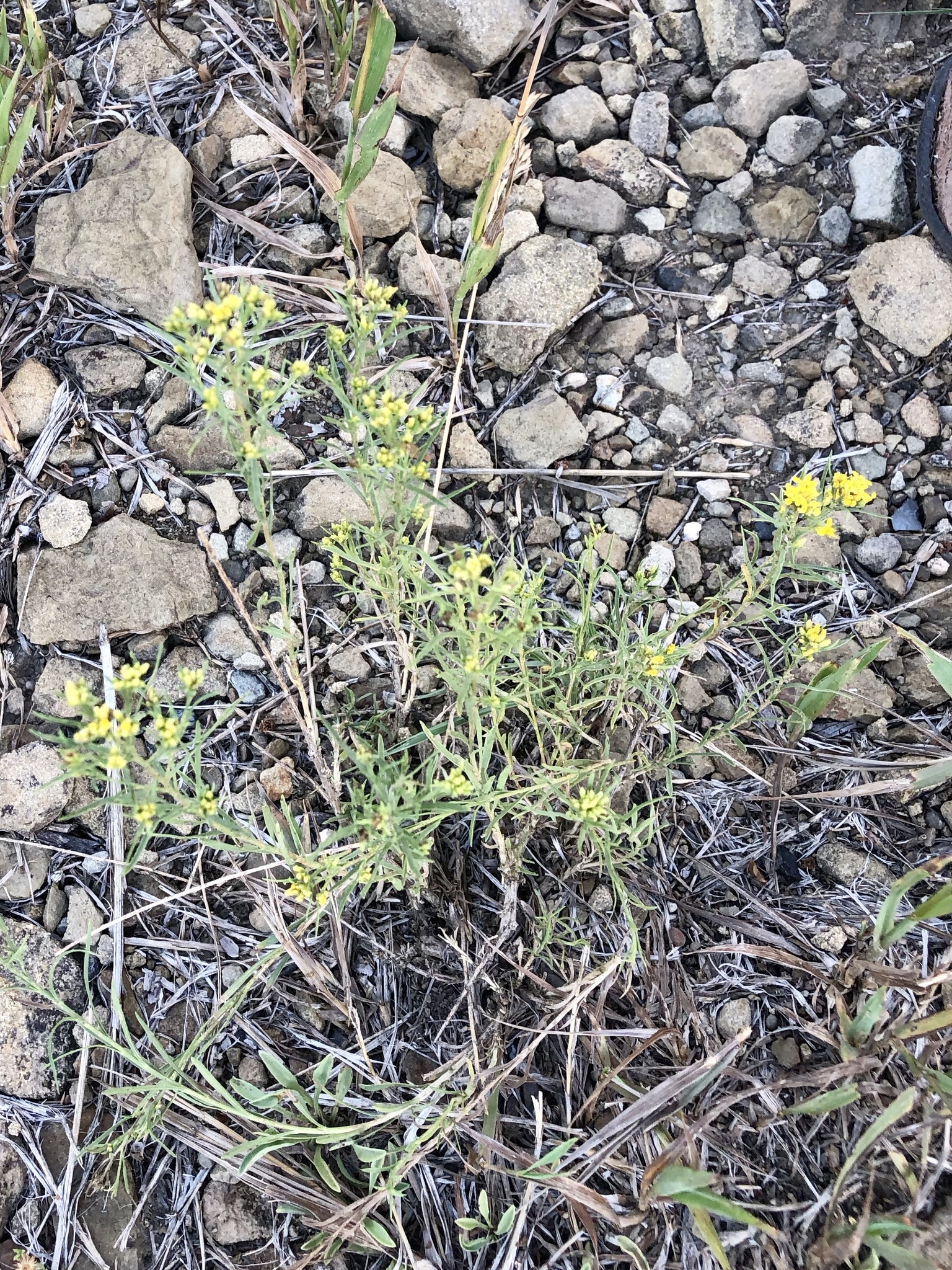
Explicit iNaturalist observation taxon and Research Grade community identification; photograph visually reviewed for depicted features. This is source identification, not a new independent botanical determination. Source identifies this plant to species; no variety or subspecies determination is asserted.
Downloaded iNaturalist large rendition; downloaded bytes retained unchanged. No local crop, retouching, or generative editing. Gallery display preserves the full image; catalog preview may use a CSS crop.
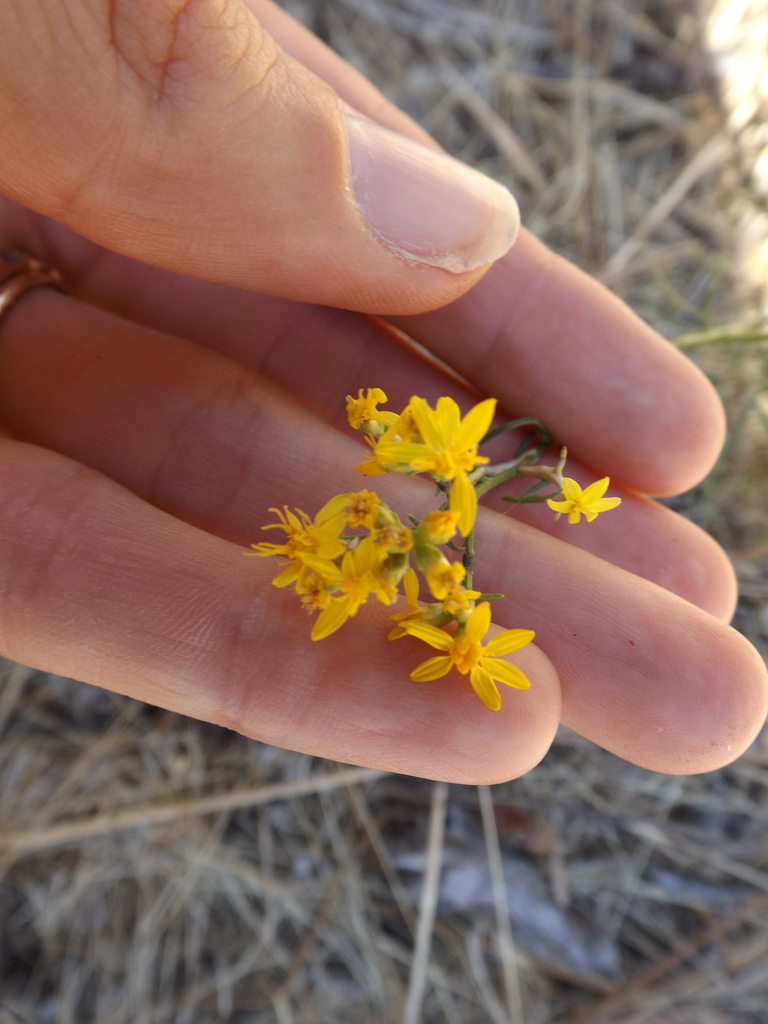
Amy · CC BY 4.0
Photo source and identification
Original record · Original image
Explicit iNaturalist observation taxon and Research Grade community identification; photograph visually reviewed for depicted features. This is source identification, not a new independent botanical determination. Source identifies this plant to species; no variety or subspecies determination is asserted.
Downloaded iNaturalist large rendition; downloaded bytes retained unchanged. No local crop, retouching, or generative editing. Gallery display preserves the full image; catalog preview may use a CSS crop.
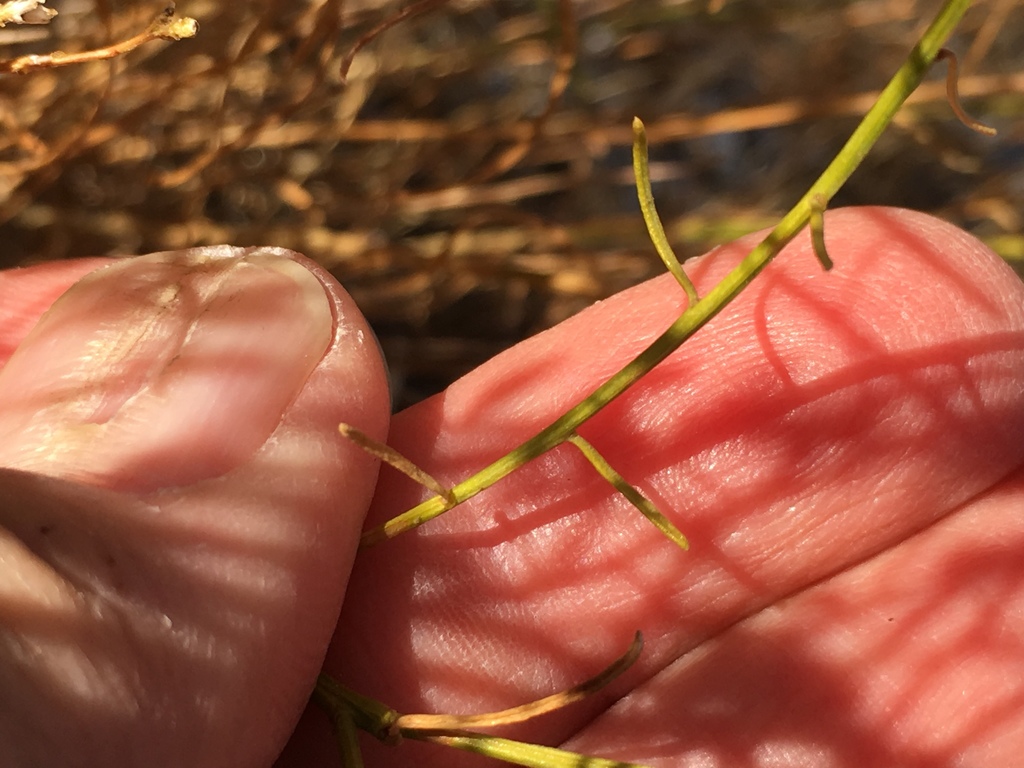
W. Terry Hunefeld · CC BY 4.0
Photo source and identification
Original record · Original image
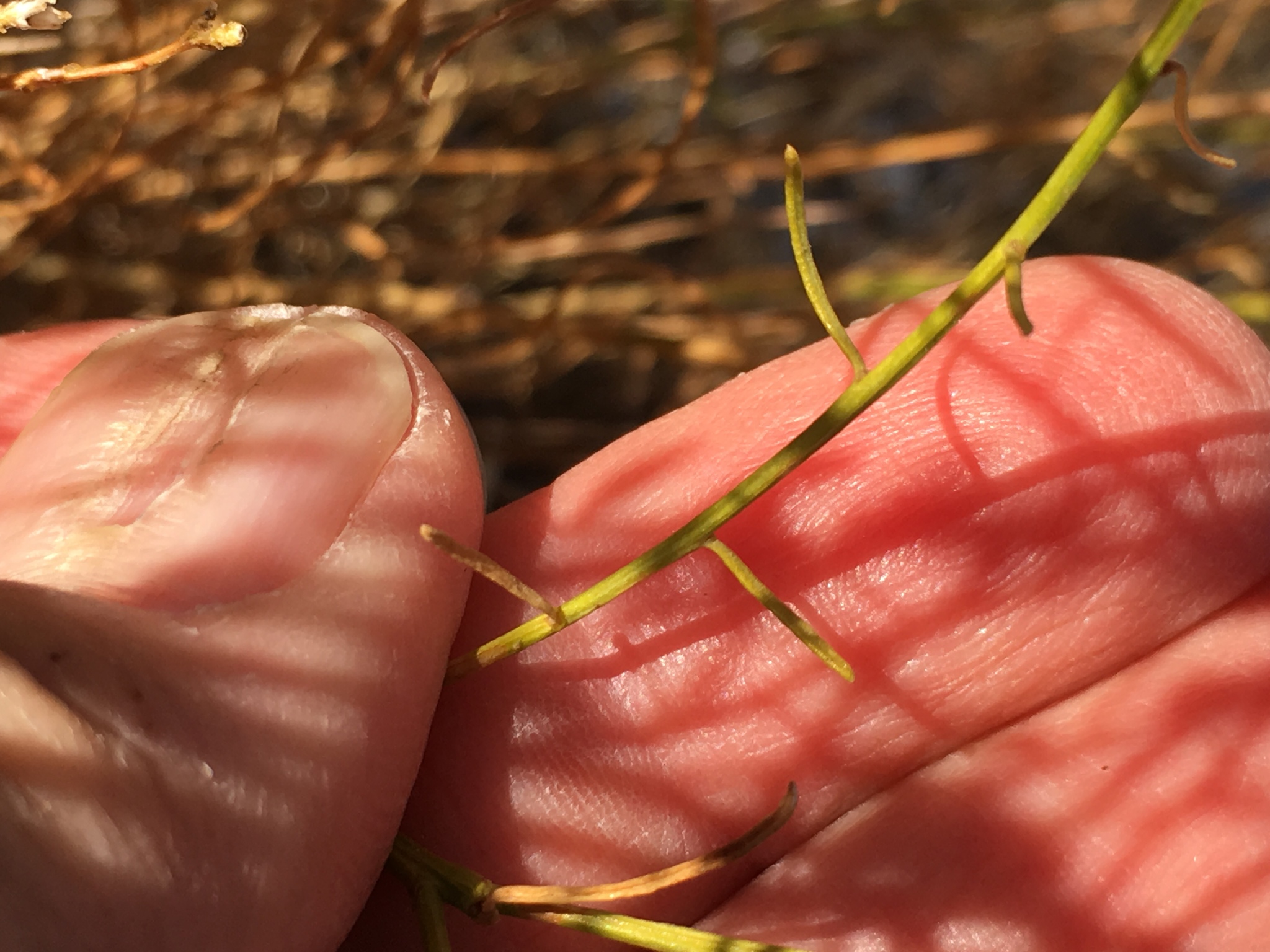
Explicit iNaturalist observation taxon and Research Grade community identification; photograph visually reviewed for depicted features. This is source identification, not a new independent botanical determination. Source identifies this plant to species; no variety or subspecies determination is asserted.
Downloaded iNaturalist large rendition; downloaded bytes retained unchanged. No local crop, retouching, or generative editing. Gallery display preserves the full image; catalog preview may use a CSS crop.
Identification
A low, bushy perennial with many fine upright branches arising from a woody base and small yellow flower heads. It is common in dry, open western habitats. F-gutierrezia
People
The reviewed sources do not establish species-specific ingestion effects or a safe exposure amount for people. Missing evidence does not establish safety.
Dogs & cats
The reviewed sources do not establish species-specific ingestion effects or a safe exposure amount for dogs or cats. Missing evidence does not establish safety.
Other animals
Heavy consumption can cause livestock illness, death or abortion. Risk varies with growth stage, soil and available forage. This species can also accumulate selenium under suitable soil conditions. F-gutierrezia
Plants & habitat
Dense populations can be a rangeland problem, although the shrub is native and supplies food for some wildlife. Its presence alone is not a diagnosis of poor management. F-gutierrezia
Management & timing
Assess grazing pressure, forage availability and site condition with a range specialist before choosing control. Keep livestock from relying on a snakeweed-dominated patch for feed. F-gutierrezia
Evidence scope: Management synthesis.
Before taking action
Confirm identification and the requirements of your county weed program. For chemical treatment, follow the current product label, including restrictions around animals and water. S27
References
- C-floristic-2020 — Colorado Floristic Quality Assessment: 2020 Update, Colorado Natural Heritage Program, Colorado State University. Accessed 2026-09-07T02:27:33+00:00. Locator: Appendix B, Colorado species list: scientific name and native/non-native fields.
- CO-rules-2025 — Colorado Noxious Weed Act rules, 8 CCR 1206-2, Colorado Secretary of State / Department of Agriculture. Accessed 2026-09-07T01:07:48+00:00. Locator: Parts 3.1, 4.1, 5.1; management provisions; effective May 15, 2025.
- F-gutierrezia — Broom snakeweed, USDA Forest Service, Fire Effects Information System. Accessed 2026-09-07T02:24:48+00:00. Locator: Taxonomy, distribution, botanical description, wildlife/livestock values and management.
- S27 — 2103 – Colorado Noxious Weeds, PlantTalk Colorado · CSU Extension. Accessed 2026-09-07T00:23:57+00:00. Locator: List A, B and C management categories.