Western whorled milkweed
Discuss this plant with the guide — choose this profile as a possible match and prepare your observations for Colorado Plants & Practical Care.
Asclepias subverticillata
Colorado native. S06
High livestock toxicity. Native status, garden use and noxious-weed class are separate from toxicity. Exposure help.
Still researching this plant
This is a sourced working profile. The cited findings are available below. Independent botanical and veterinary review is pending. Uncertainty is not a finding that the plant is safe.
Three views of this plant
Photos are source-identified examples, not a complete identification key. Check leaves, stems, flowers and fruit together. Locations are not assumed to be in Colorado.
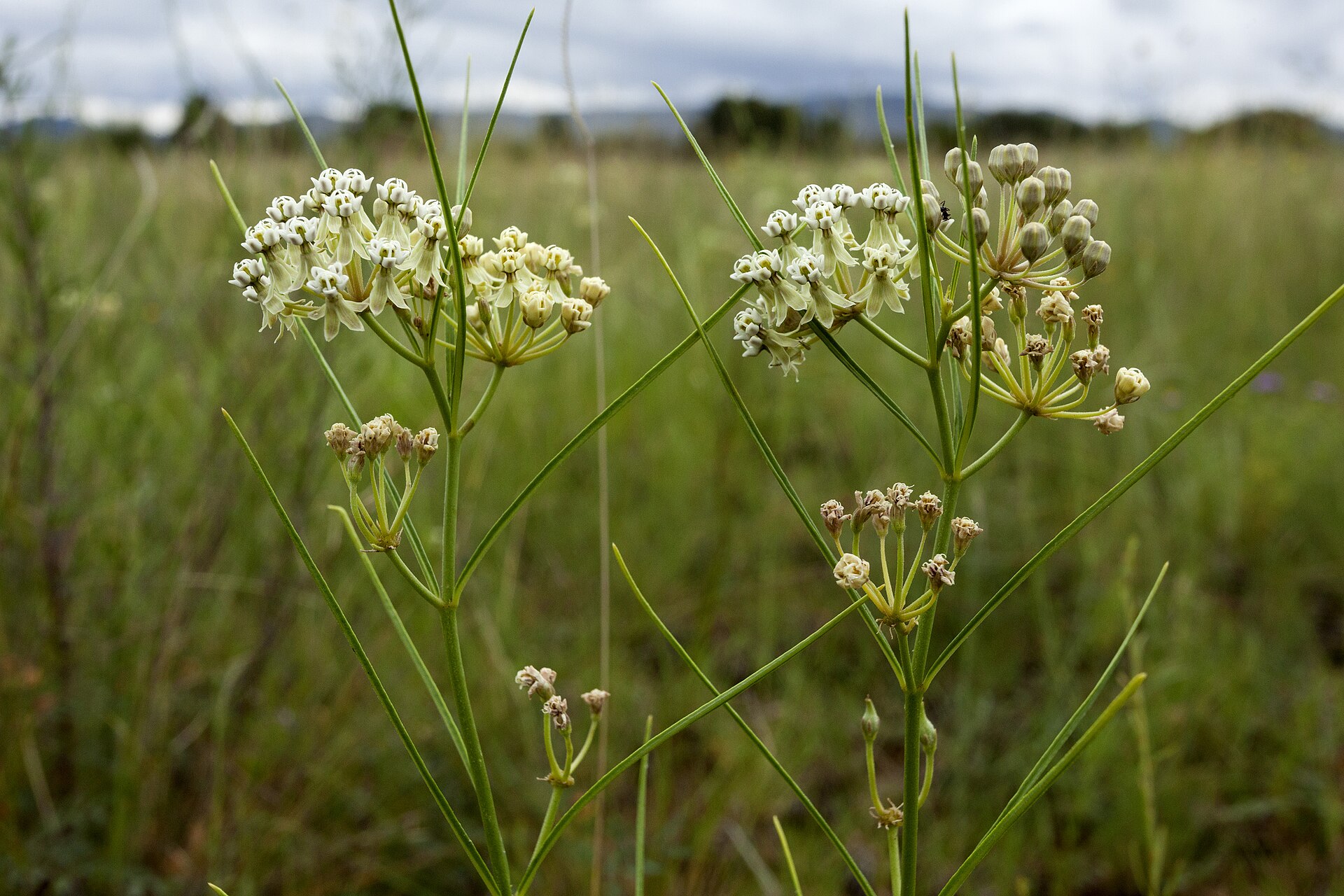
Patrick Alexander from Las Cruces, NM · CC0
Photo source and identification
Original record · Original image


Wikimedia Commons source file title and species metadata identify the taxon. Visible morphology was checked for consistency, not treated as an independent botanical determination.
No edits to the downloaded image. Wikimedia may have supplied a scaled thumbnail; original and download URLs are recorded separately. Gallery display preserves the full image; the catalog preview uses a CSS crop.
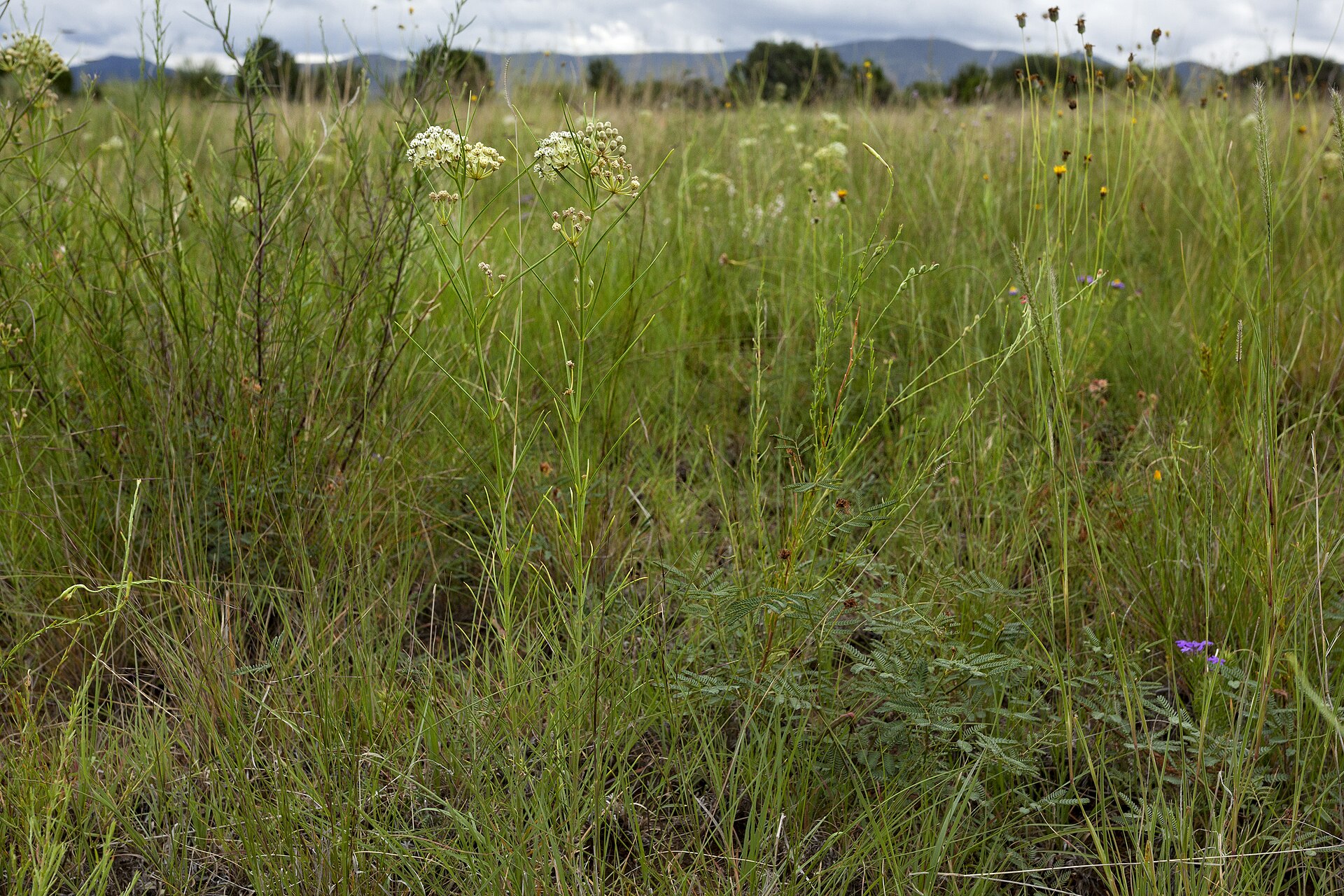
Patrick Alexander from Las Cruces, NM · CC0
Photo source and identification
Original record · Original image
.jpg)

Wikimedia Commons source file title and species metadata identify the taxon. Visible morphology was checked for consistency, not treated as an independent botanical determination.
No edits to the downloaded image. Wikimedia may have supplied a scaled thumbnail; original and download URLs are recorded separately. Gallery display preserves the full image; the catalog preview uses a CSS crop.
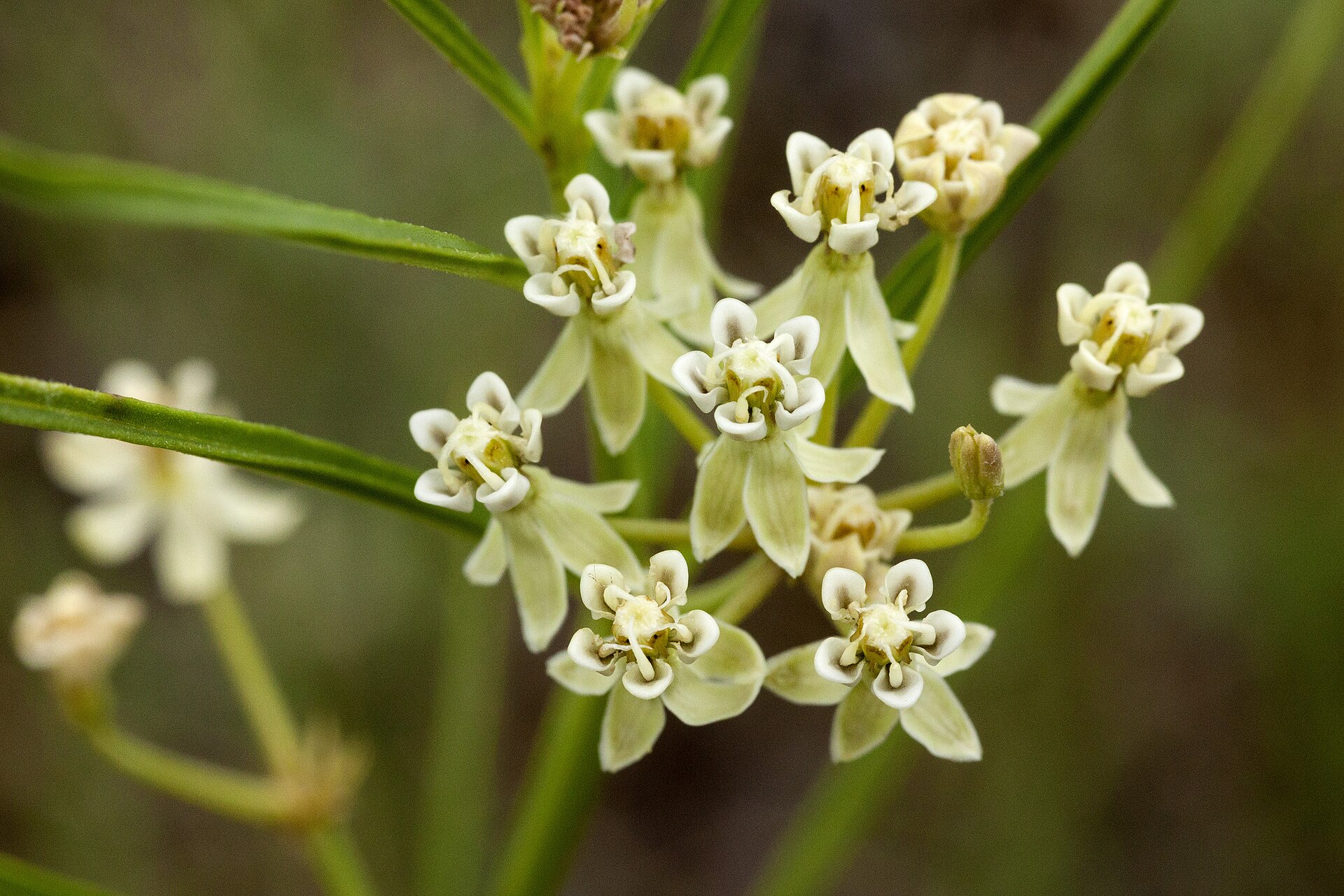
Patrick Alexander from Las Cruces, NM · CC0
Photo source and identification
Original record · Original image
.jpg)

Wikimedia Commons source file title and species metadata identify the taxon. Visible morphology was checked for consistency, not treated as an independent botanical determination.
No edits to the downloaded image. Wikimedia may have supplied a scaled thumbnail; original and download URLs are recorded separately. Gallery display preserves the full image; the catalog preview uses a CSS crop.
Recognize
Slender upright stems, very narrow leaves in rings of 3–5, and greenish-white flower clusters. Common at lower Colorado elevations. S06
Plants & habitat
Spreads by roots and seed into gardens and pasture. Also hosts monarch and queen butterfly caterpillars. S06
People
Avoid ingestion and sap contact. Human precautions here come from milkweed guidance for the genus, not a species-specific human study. S05
Evidence scope: Genus-level.
Dogs & cats
ASPCA lists milkweeds as toxic to dogs and cats. This source does not give a safe amount for this species. S04
Evidence scope: Genus-level.
Other animals
Highly toxic to livestock. Dry plants remain hazardous in hay; a butterfly benefit does not make it suitable near grazing animals. S06
Before taking action
Confirm the scientific name before removing a plant, changing animal access, or choosing treatment. An evidence gap means this review has not resolved the question. It does not mean safe. For listed weeds, consult your county weed program about the requirements for your location; follow the current label for any pesticide. S27
References
- S06 — Managing Western Whorled Milkweed, Colorado State University Extension. Accessed 2026-09-07T00:23:53+00:00. Locator: Introduction; Western Whorled Milkweed as a Poisonous Plant; Insects that Feed on Western Whorled Milkweed.
- S05 — Milkweed plants can cause serious poisoning, National Capital Poison Center. Accessed 2026-09-07T00:23:53+00:00. Locator: Symptoms; Effects on skin and in eyes; prevention.
- S04 — Milkweed, ASPCA Poison Control. Accessed 2026-09-07T00:23:52+00:00. Locator: Scientific Name; Toxicity; Clinical Signs; poison contact.