Western ragweed
Discuss this plant with the guide — choose this profile as a possible match and prepare your observations for Colorado Plants & Practical Care.
Ambrosia psilostachya
Native Colorado plant · not on state Lists A/B/C. C-floristic-2020 CO-rules-2025
A persistent perennial ragweed; allergy detail still under review. Exposure help.
Identification caveat: Unlike annual common and giant ragweeds, this species is perennial. Ambrosia psilostachya is not treated as a synonym of either.
Still researching this plant
This is a sourced working profile. Evidence is incomplete for People, Dogs & cats, Other animals. Identification and source-photo limits are explained below. Independent botanical and veterinary review is pending. Uncertainty is not a finding that the plant is safe.
Three views of this plant
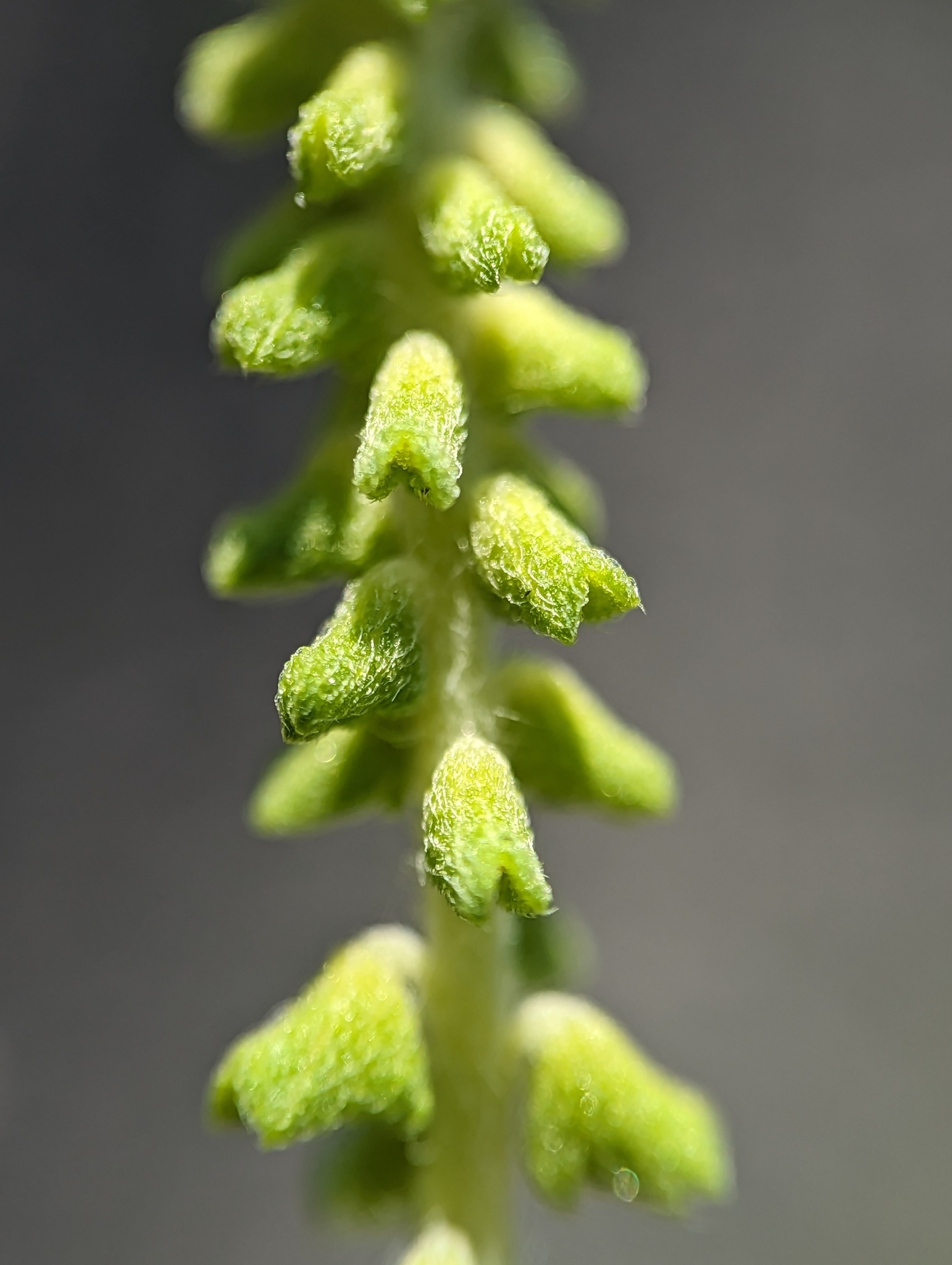
Source-identified reference photographs; these are not a complete identification key. A source location outside Colorado does not establish local occurrence.
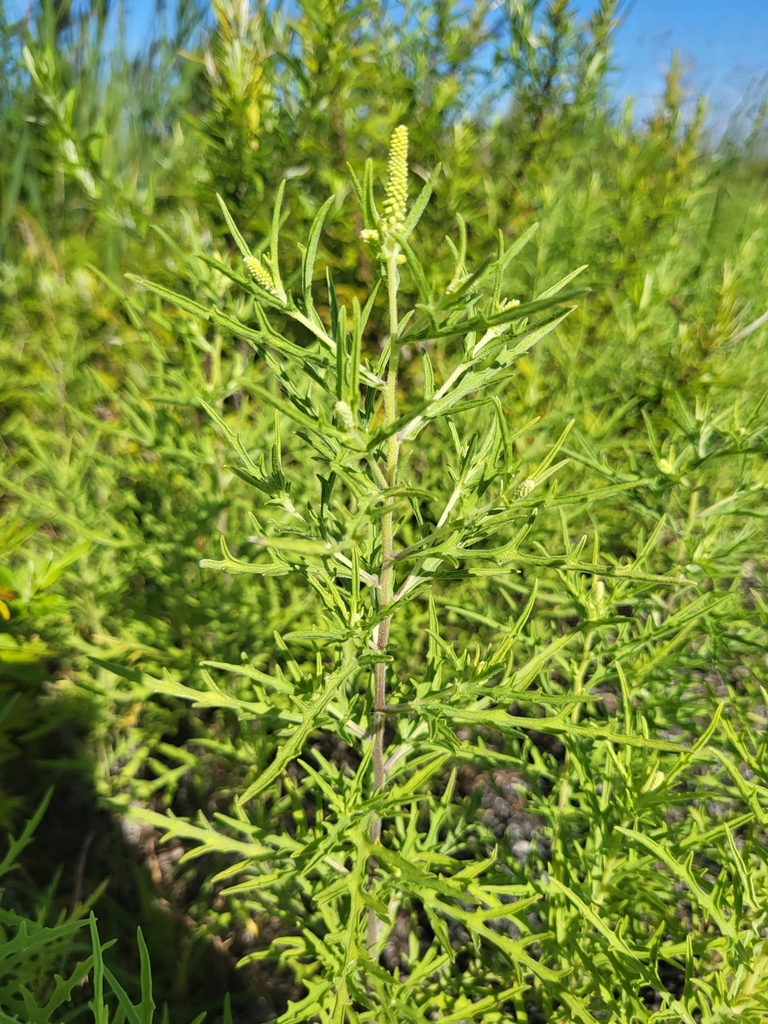
Zihao Wang · CC BY 4.0
Photo source and identification
Original record · Original image
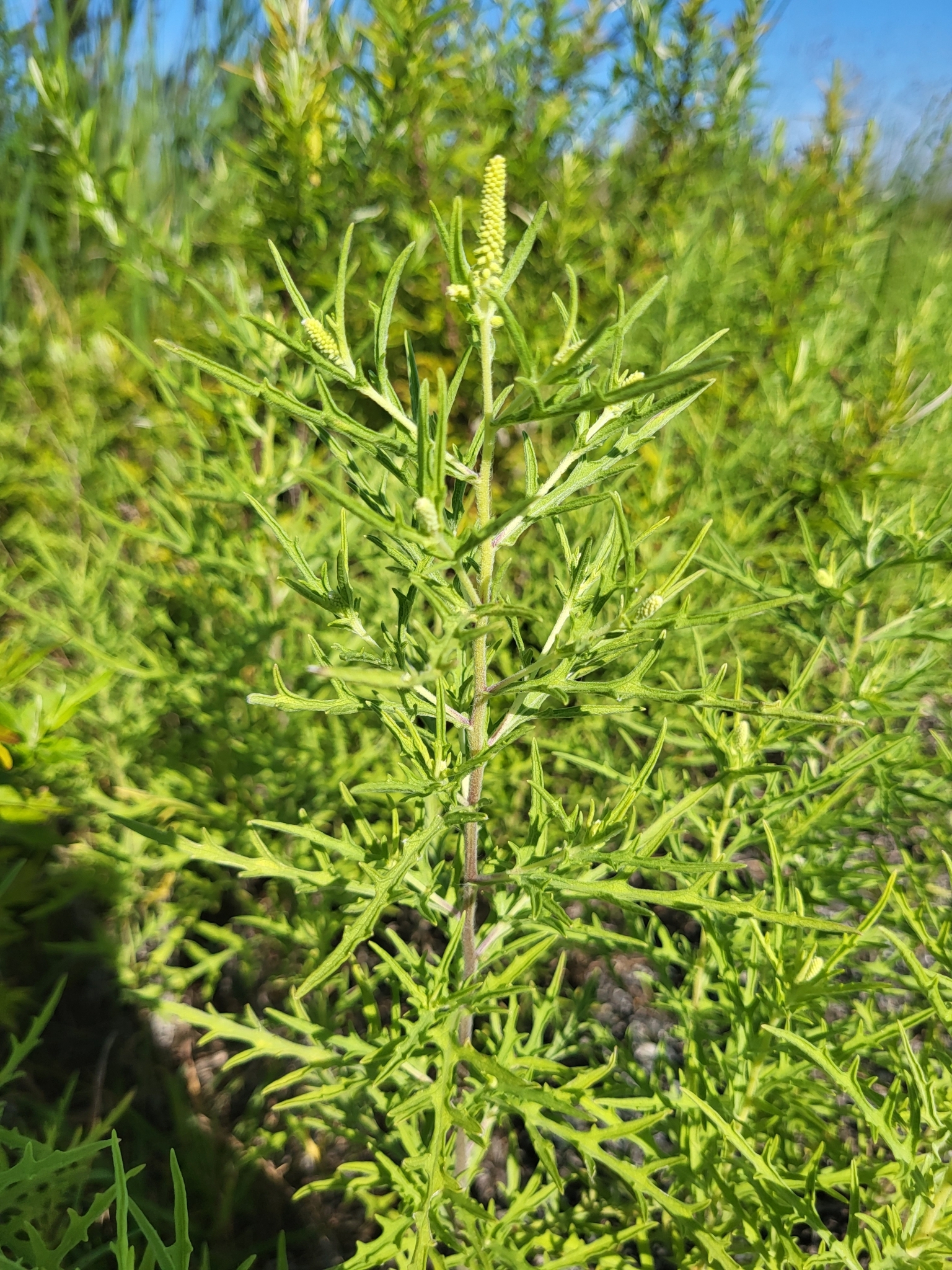
Explicit iNaturalist observation taxon and Research Grade community identification; photograph visually reviewed for depicted features. This is source identification, not a new independent botanical determination. Source identifies this plant to species; no variety or subspecies determination is asserted.
Downloaded iNaturalist large rendition; downloaded bytes retained unchanged. No local crop, retouching, or generative editing. Gallery display preserves the full image; catalog preview may use a CSS crop.
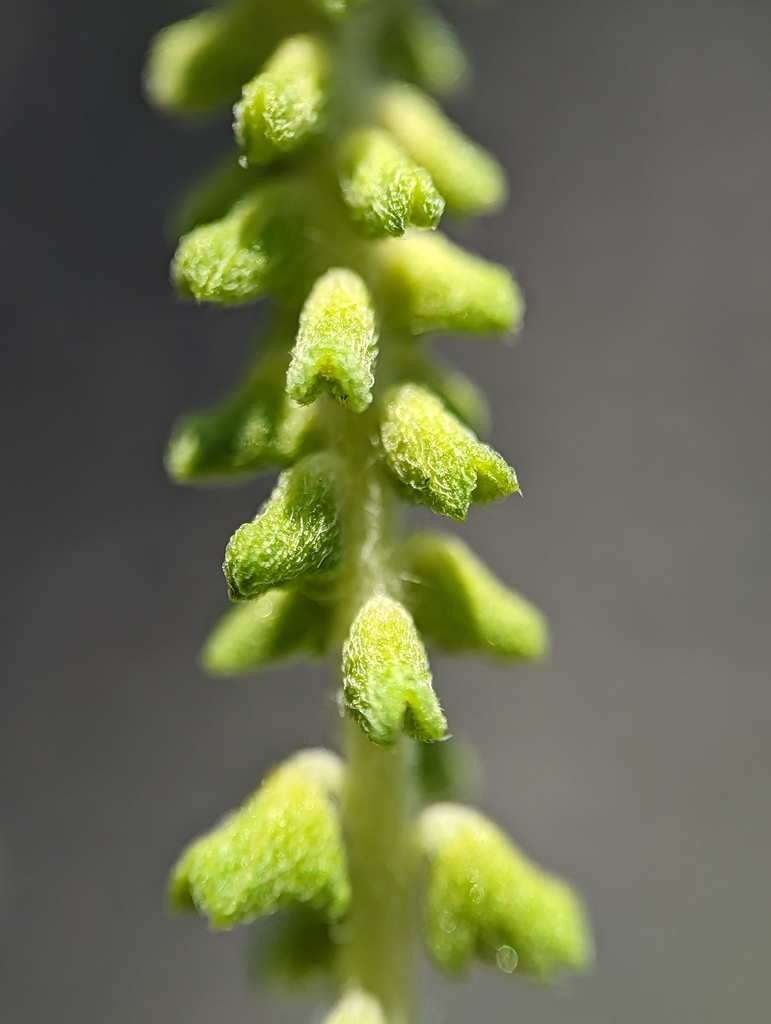
Zihao Wang · CC BY 4.0
Photo source and identification
Original record · Original image
Explicit iNaturalist observation taxon and Research Grade community identification; photograph visually reviewed for depicted features. This is source identification, not a new independent botanical determination. Source identifies this plant to species; no variety or subspecies determination is asserted.
Downloaded iNaturalist large rendition; downloaded bytes retained unchanged. No local crop, retouching, or generative editing. Gallery display preserves the full image; catalog preview may use a CSS crop.
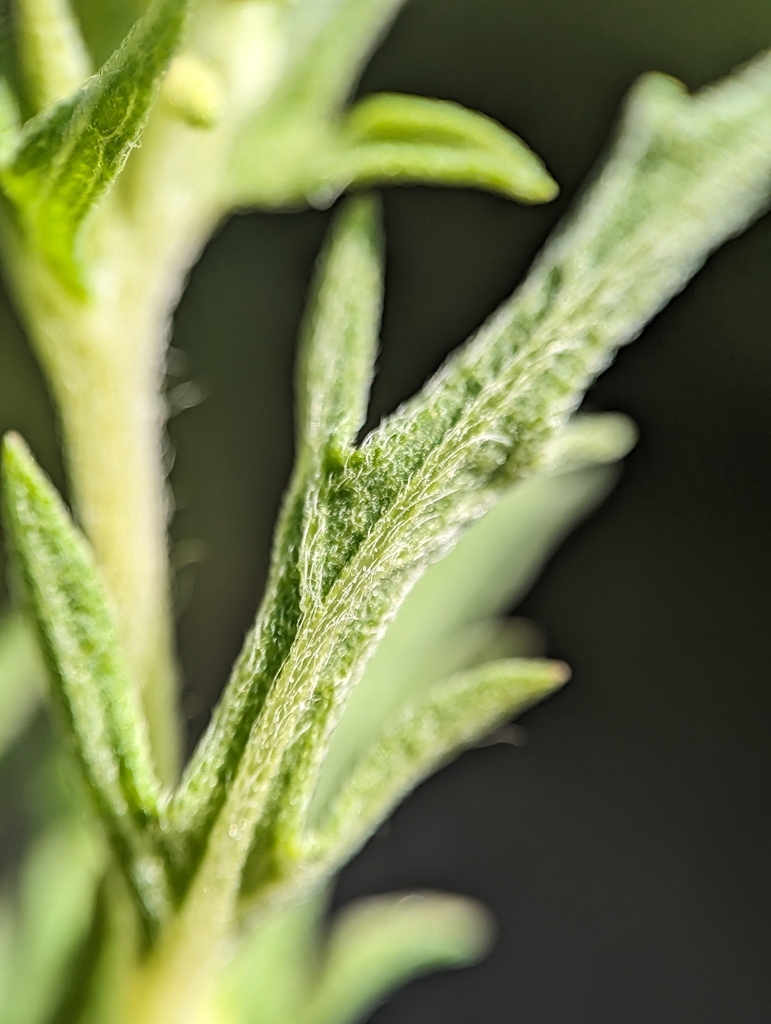
Zihao Wang · CC BY 4.0
Photo source and identification
Original record · Original image
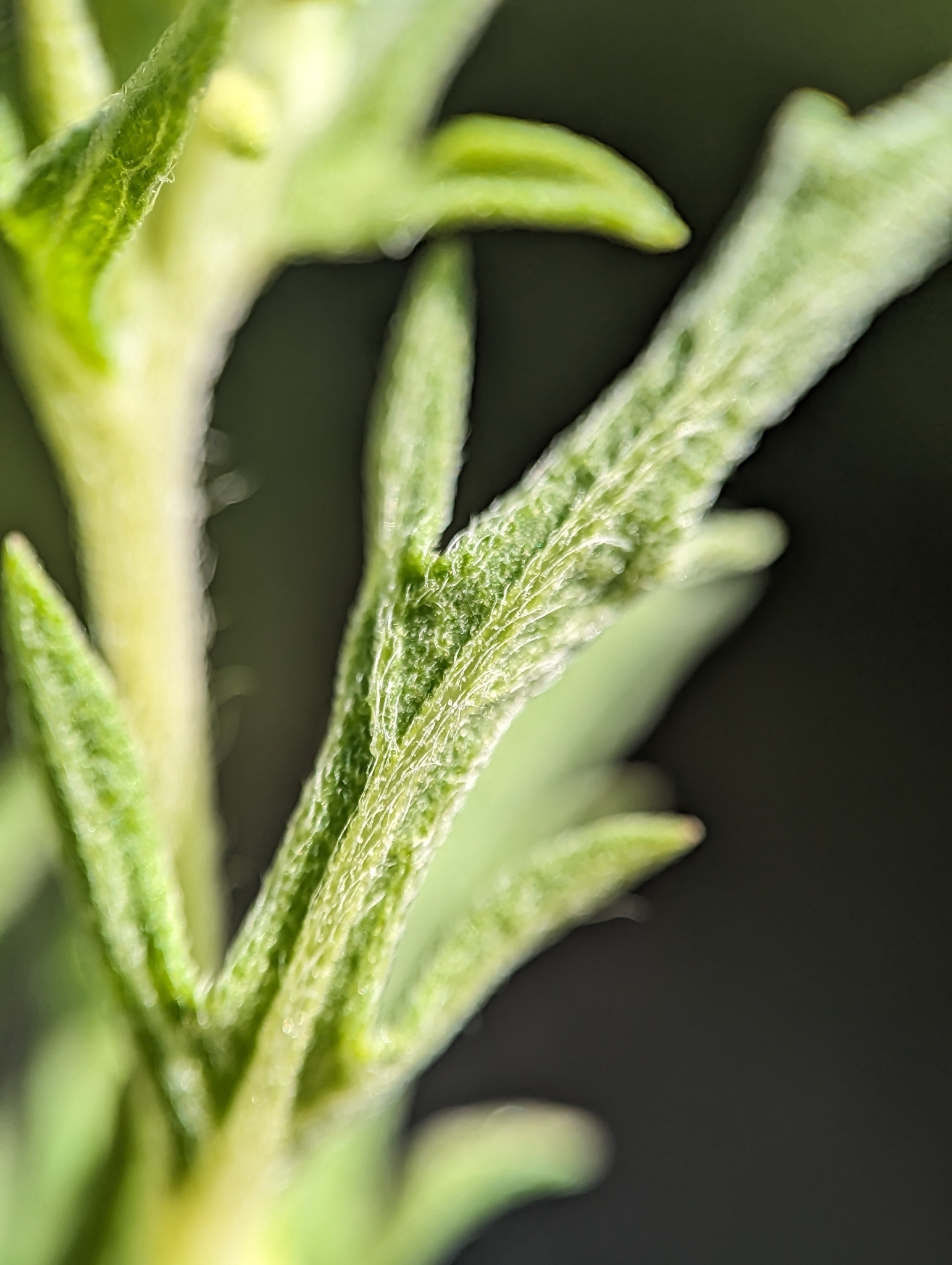
Explicit iNaturalist observation taxon and Research Grade community identification; photograph visually reviewed for depicted features. This is source identification, not a new independent botanical determination. Source identifies this plant to species; no variety or subspecies determination is asserted.
Downloaded iNaturalist large rendition; downloaded bytes retained unchanged. No local crop, retouching, or generative editing. Gallery display preserves the full image; catalog preview may use a CSS crop.
Identification
A native perennial with relatively slender branching stems and an extensive underground system. Male flower heads occur at the tips; female flowers occur in leaf axils. F-ambrosia-psilostachya
People
Ragweeds are associated with allergenic windborne pollen. The reviewed Colorado allergy discussion focuses on common and giant ragweed; western ragweed-specific allergy severity still needs review. C-ragweed-native
Evidence scope: Related-species context; species-specific evidence unresolved.
Dogs & cats
The reviewed sources do not establish species-specific ingestion effects or a safe exposure amount for dogs or cats. Missing evidence does not establish safety.
Other animals
The Forest Service describes forage and wildlife use and does not classify the untreated plant as poisonous in that discussion. It separately reports possible nitrate accumulation in herbicide-treated ragweeds; a safe feeding amount is not established. F-ambrosia-psilostachya
Evidence scope: Species forage discussion; broader treated-ragweed warning.
Plants & habitat
It occupies native grasslands and disturbed sites and provides food or cover for birds and small mammals. Underground spread can make garden colonies persistent. F-ambrosia-psilostachya
Management & timing
Plan follow-up for underground regrowth. Seed prevention alone does not address an established perennial colony. F-ambrosia-psilostachya
Evidence scope: Management inference from perennial growth.
Before taking action
Confirm identification and the requirements of your county weed program. For chemical treatment, follow the current product label, including restrictions around animals and water. S27
References
- C-floristic-2020 — Colorado Floristic Quality Assessment: 2020 Update, Colorado Natural Heritage Program, Colorado State University. Accessed 2026-09-07T02:27:33+00:00. Locator: Appendix B, Colorado species list: scientific name and native/non-native fields.
- CO-rules-2025 — Colorado Noxious Weed Act rules, 8 CCR 1206-2, Colorado Secretary of State / Department of Agriculture. Accessed 2026-09-07T01:07:48+00:00. Locator: Parts 3.1, 4.1, 5.1; management provisions; effective May 15, 2025.
- F-ambrosia-psilostachya — Western ragweed, USDA Forest Service, Fire Effects Information System. Accessed 2026-09-07T02:24:49+00:00. Locator: Taxonomy, distribution, botanical description, wildlife/livestock values and management.
- C-ragweed-native — Ragweed, Colorado State University Extension. Accessed 2026-09-07T02:26:09+00:00. Locator: Named species or genus; identification, distribution and hazard sections where available.
- S27 — 2103 – Colorado Noxious Weeds, PlantTalk Colorado · CSU Extension. Accessed 2026-09-07T00:23:57+00:00. Locator: List A, B and C management categories.