Hemp dogbane
Discuss this plant with the guide — choose this profile as a possible match and prepare your observations for Colorado Plants & Practical Care.
Apocynum cannabinum
Native Colorado plant · not on state Lists A/B/C. C-floristic-2020 CO-rules-2025
Cardiac-glycoside poisoning hazard for people and animals. Exposure help.
Identification caveat: Not Cannabis. Apocynum androsaemifolium is a different dogbane. Pet signs are explicitly sourced to the ASPCA genus account, not silently transferred from its differently named species page.
Still researching this plant
This is a sourced working profile. The cited findings are available below. Identification and source-photo limits are explained below. Independent botanical and veterinary review is pending. Uncertainty is not a finding that the plant is safe.
Three views of this plant
Source-identified reference photographs; these are not a complete identification key. A source location outside Colorado does not establish local occurrence.
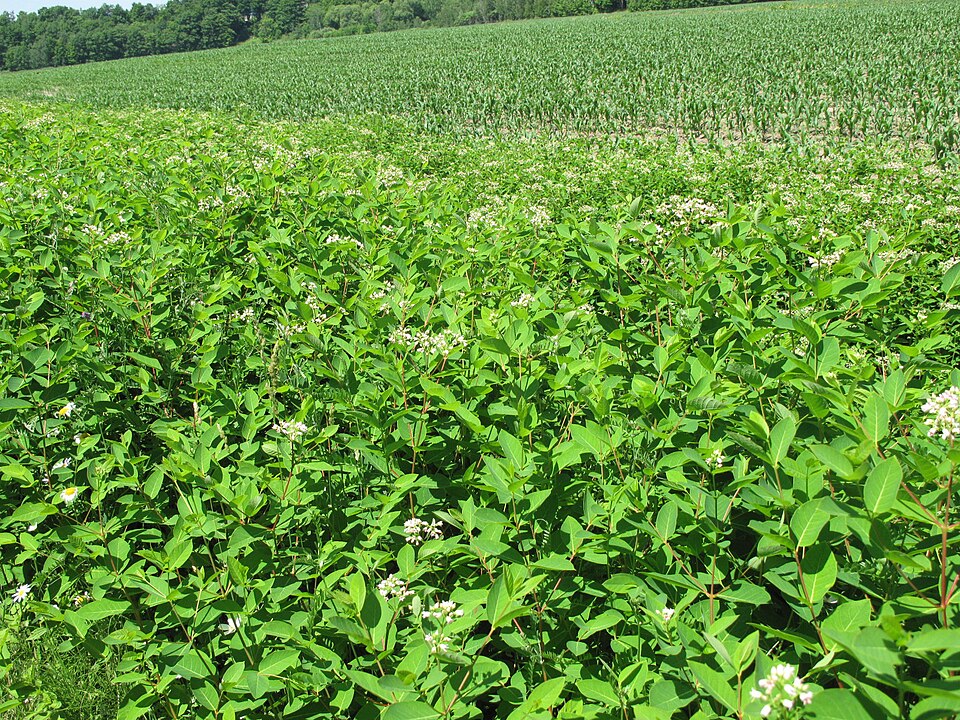
Ayotte, Gilles, 1948- · CC BY-SA 4.0
Photo source and identification
Original record · Original image


Source scientific identification plus visual morphology review of the selected photograph. This is a source-identified reference, not an independent specimen-based taxonomic determination. Dogbane species and hybrids can overlap. Identification follows the exact source labels; one candidate with an inconsistent flower form was rejected before final selection.
Wikimedia server-resized derivative; no local crop, colour change or generative editing. Gallery display preserves the full image; catalog preview may use a CSS crop.
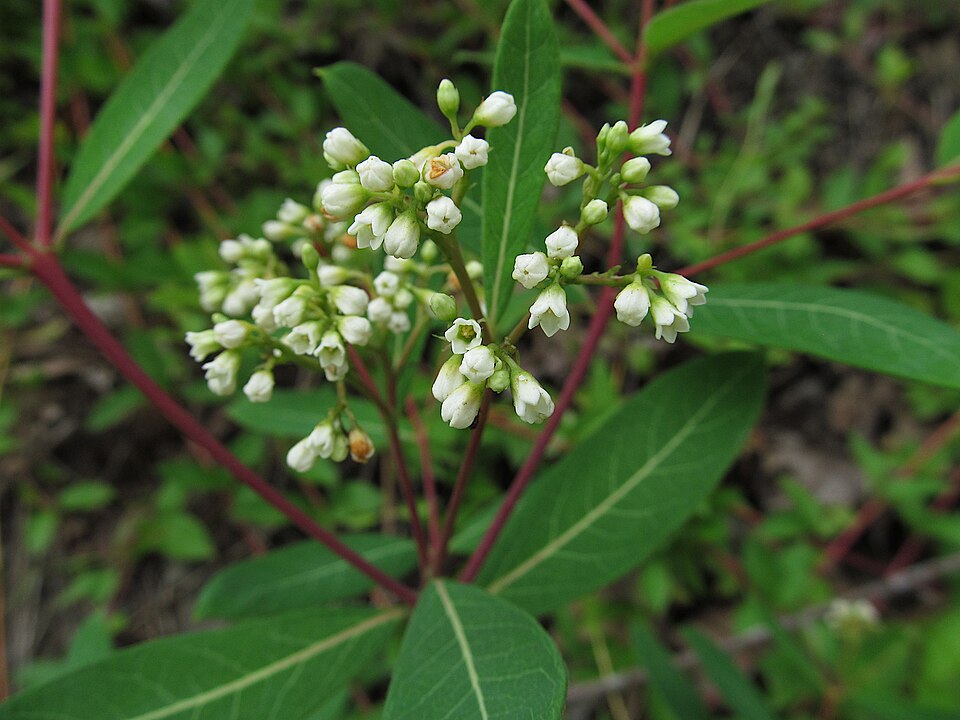
Cbaile19 · CC0
Photo source and identification
Original record · Original image


Source scientific identification plus visual morphology review of the selected photograph. This is a source-identified reference, not an independent specimen-based taxonomic determination. Dogbane species and hybrids can overlap. Identification follows the exact source labels; one candidate with an inconsistent flower form was rejected before final selection.
Wikimedia server-resized derivative; no local crop, colour change or generative editing. Gallery display preserves the full image; catalog preview may use a CSS crop.
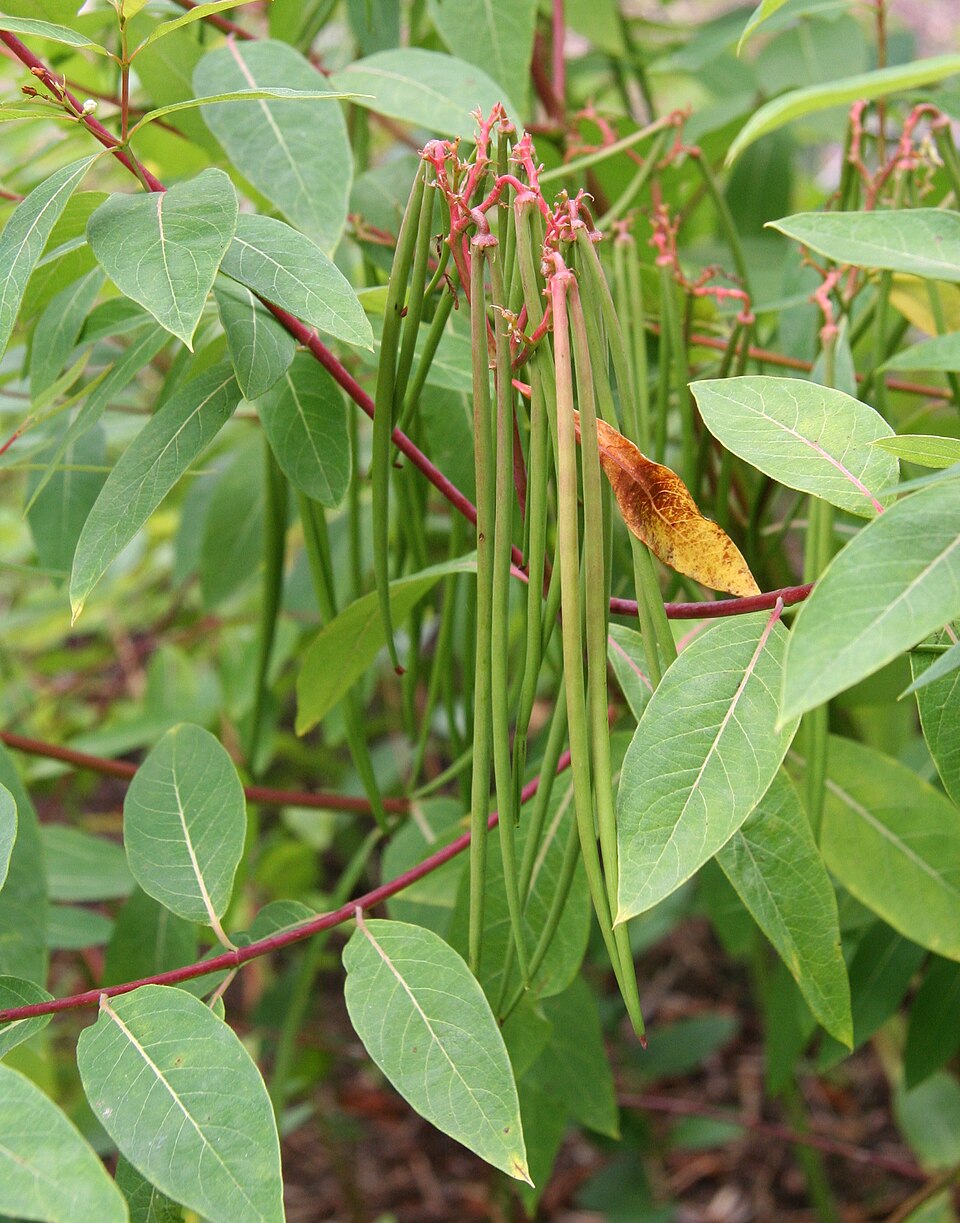
Michael Wolf · CC BY-SA 3.0
Photo source and identification
Original record · Original image


Source scientific identification plus visual morphology review of the selected photograph. This is a source-identified reference, not an independent specimen-based taxonomic determination. Dogbane species and hybrids can overlap. Identification follows the exact source labels; one candidate with an inconsistent flower form was rejected before final selection.
Wikimedia server-resized derivative; no local crop, colour change or generative editing. Gallery display preserves the full image; catalog preview may use a CSS crop.
Identification
A branching perennial with opposite oval leaves, milky sap, small greenish-white flowers and narrow paired pods containing silky-haired seed. N-apocynum-cannabinum
People
All parts are highly toxic if ingested. Reported effects include gastrointestinal illness, weakness and severe heart effects; sap can also blister skin. N-apocynum-cannabinum
Dogs & cats
ASPCA lists Apocynum species as toxic to dogs and cats. Its group-level signs include weakness, diarrhea and a slow heart rate. Contact a veterinarian promptly after suspected ingestion. P-dogbane
Evidence scope: Genus-level veterinary evidence.
Other animals
The Forest Service reports livestock poisoning, including potentially fatal effects. Low palatability does not make contaminated forage safe. F-apocynum
Plants & habitat
It spreads underground and can form persistent colonies. It also supplies nectar and habitat for insects. Native status and ecological value coexist with a serious ingestion hazard. N-apocynum-cannabinum
Management & timing
Plan control of the whole colony and prevent access by grazing or chewing animals. Protect skin from sap while handling. N-apocynum-cannabinum F-apocynum
Evidence scope: Management synthesis.
Before taking action
Confirm identification and the requirements of your county weed program. For chemical treatment, follow the current product label, including restrictions around animals and water. S27
References
- C-floristic-2020 — Colorado Floristic Quality Assessment: 2020 Update, Colorado Natural Heritage Program, Colorado State University. Accessed 2026-09-07T02:27:33+00:00. Locator: Appendix B, Colorado species list: scientific name and native/non-native fields.
- CO-rules-2025 — Colorado Noxious Weed Act rules, 8 CCR 1206-2, Colorado Secretary of State / Department of Agriculture. Accessed 2026-09-07T01:07:48+00:00. Locator: Parts 3.1, 4.1, 5.1; management provisions; effective May 15, 2025.
- N-apocynum-cannabinum — Apocynum cannabinum, NC State Extension. Accessed 2026-09-07T02:23:12+00:00. Locator: Description, identification attributes and plant problems; toxicity section where present.
- P-dogbane — Dogbane hemp, ASPCA Animal Poison Control. Accessed 2026-09-07T02:26:10+00:00. Locator: Named species or genus; identification, distribution and hazard sections where available.
- F-apocynum — Hemp dogbane, USDA Forest Service, Fire Effects Information System. Accessed 2026-09-07T02:24:50+00:00. Locator: Taxonomy, distribution, botanical description, wildlife/livestock values and management.
- S27 — 2103 – Colorado Noxious Weeds, PlantTalk Colorado · CSU Extension. Accessed 2026-09-07T00:23:57+00:00. Locator: List A, B and C management categories.