Stinging nettle
Discuss this plant with the guide — choose this profile as a possible match and prepare your observations for Colorado Plants & Practical Care.
Urtica dioica
Native Colorado plant · not on state Lists A/B/C. C-floristic-2020 CO-rules-2025
Stinging hairs; this profile covers a taxonomic complex. Exposure help.
Identification caveat: A broad, historical Urtica dioica treatment includes native American nettles (often now called Urtica gracilis) and introduced relatives. Colorado’s native status applies to the native elements; photos preserve their original identifications and do not prove every pictured subspecies occurs at your site.
Still researching this plant
This is a sourced working profile. Evidence is incomplete for Dogs & cats, Other animals. Identification and source-photo limits are explained below. Independent botanical and veterinary review is pending. Uncertainty is not a finding that the plant is safe.
Three views of this plant
Source-identified reference photographs; these are not a complete identification key. A source location outside Colorado does not establish local occurrence.
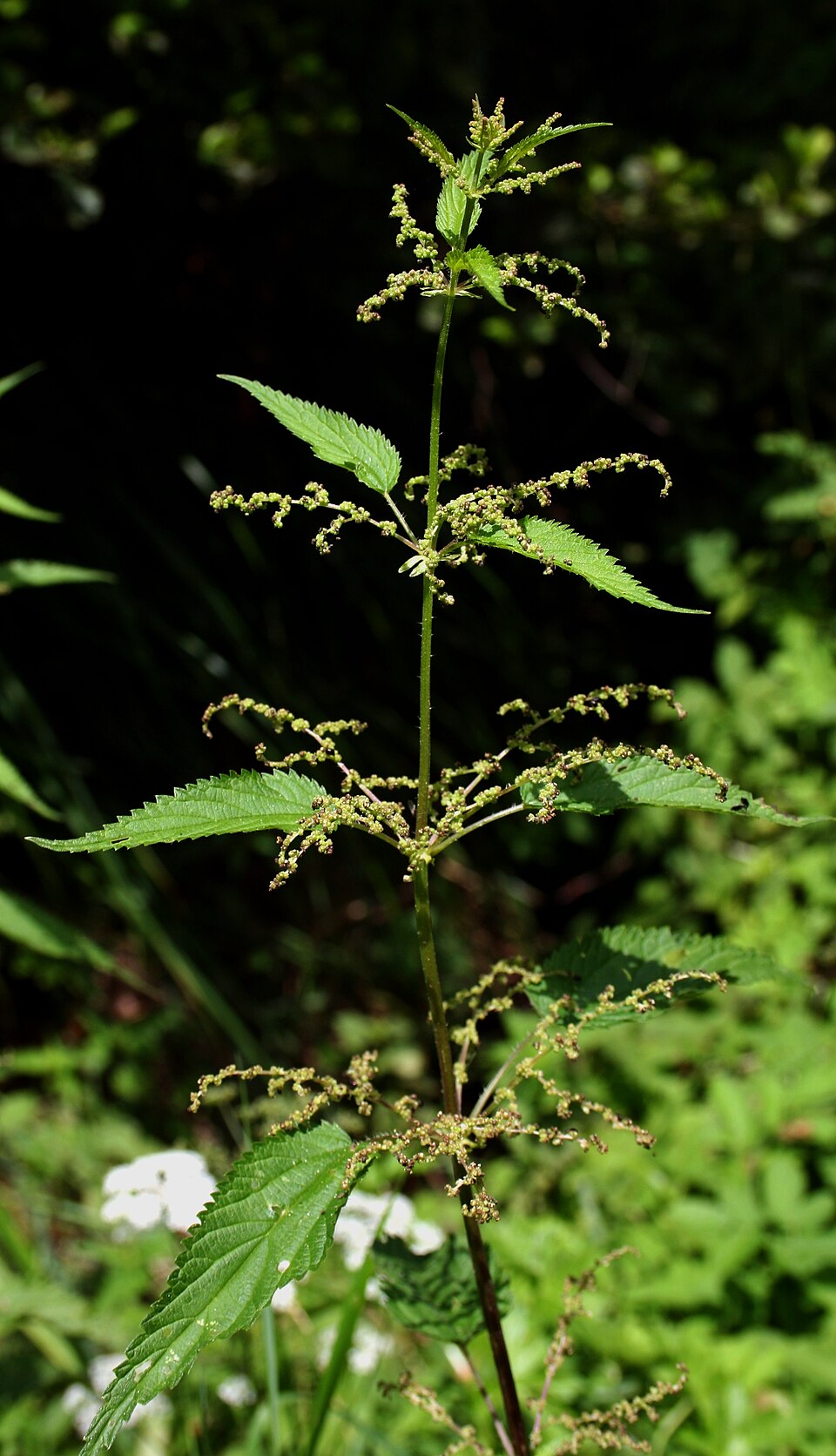
Przykuta · CC BY-SA 3.0
Photo source and identification
Original record · Original image


Source scientific identification plus visual morphology review of the selected photograph. This is a source-identified reference, not an independent specimen-based taxonomic determination. This guide uses the explicitly requested broad Urtica dioica treatment. Photo 10-01 is source-labelled Urtica dioica. Photos 10-02 and 10-03 are source-labelled Urtica gracilis gracilis (subspecies rank), a native North American nettle also treated historically as Urtica dioica subsp. gracilis. Those narrow source identifications are preserved and are not asserted to be Eurasian U. dioica sensu stricto.
Wikimedia server-resized derivative; no local crop, colour change or generative editing. Gallery display preserves the full image; catalog preview may use a CSS crop.
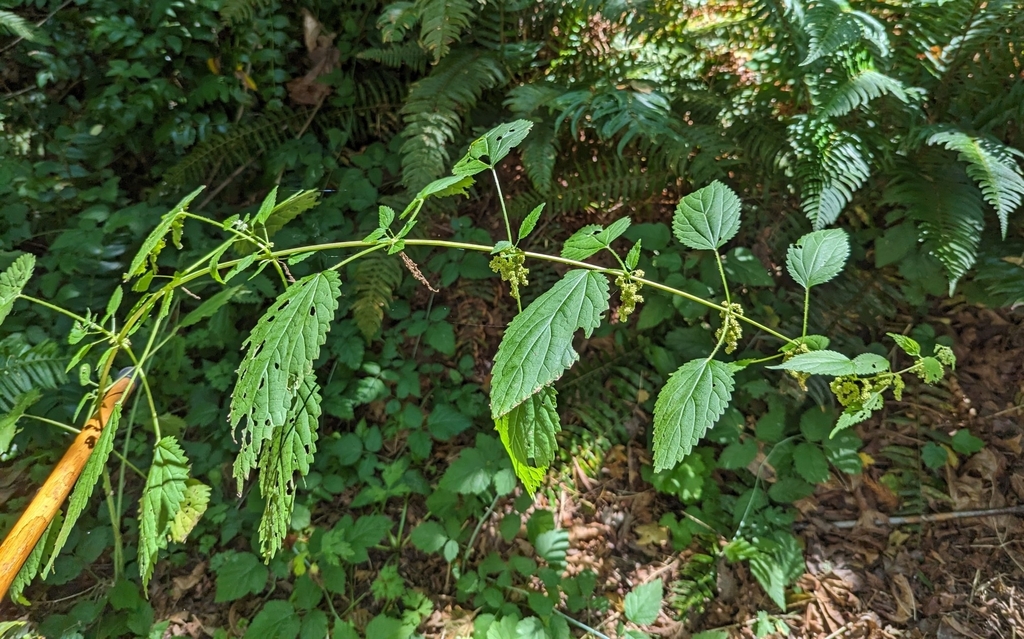
John A Haskins · CC BY 4.0
Photo source and identification
Original record · Original image
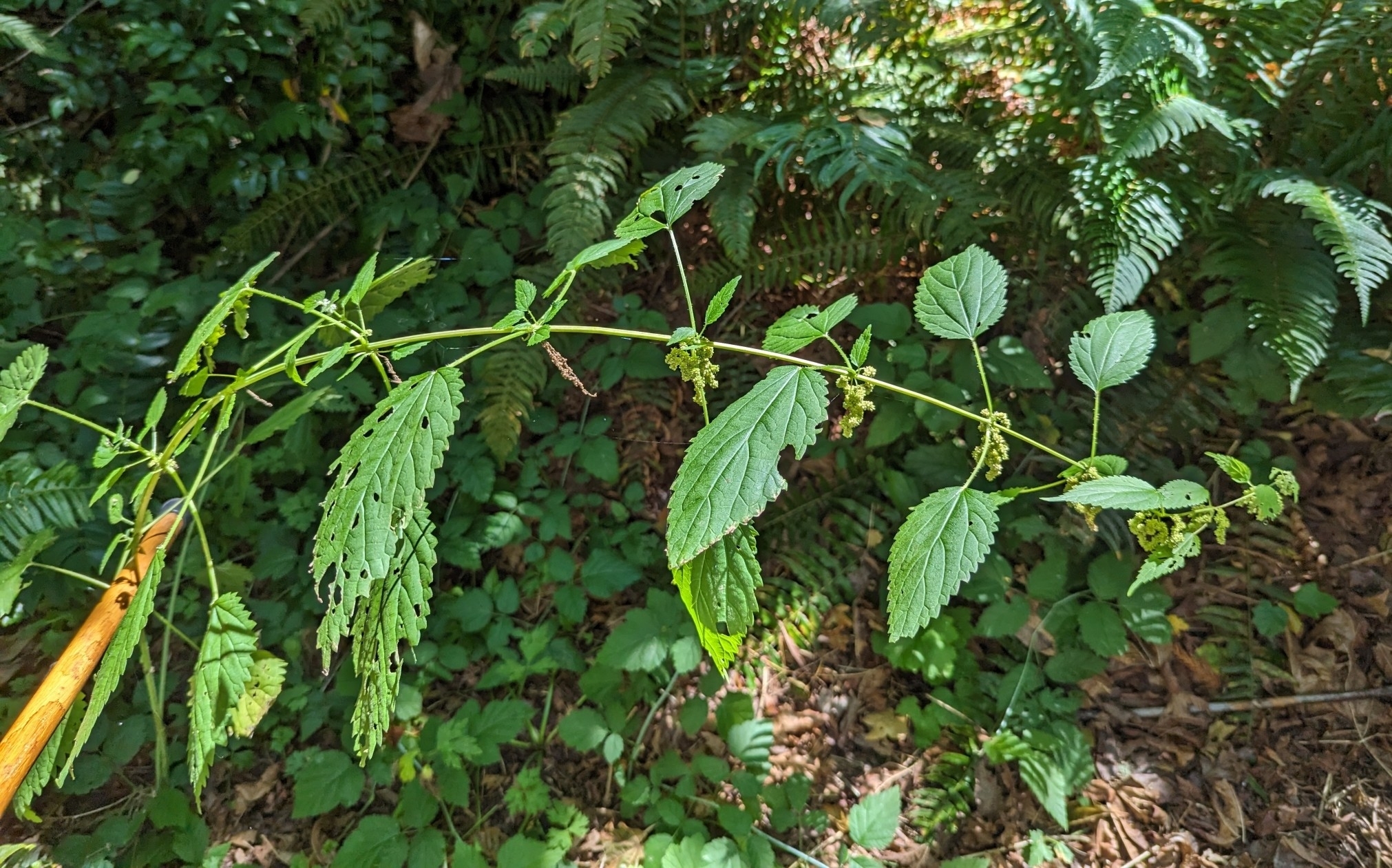
Source scientific identification plus visual morphology review of the selected photograph. This is a source-identified reference, not an independent specimen-based taxonomic determination. This guide uses the explicitly requested broad Urtica dioica treatment. Photo 10-01 is source-labelled Urtica dioica. Photos 10-02 and 10-03 are source-labelled Urtica gracilis gracilis (subspecies rank), a native North American nettle also treated historically as Urtica dioica subsp. gracilis. Those narrow source identifications are preserved and are not asserted to be Eurasian U. dioica sensu stricto.
iNaturalist large server-resized photo; no local crop, colour change or generative editing. Gallery display preserves the full image; catalog preview may use a CSS crop.
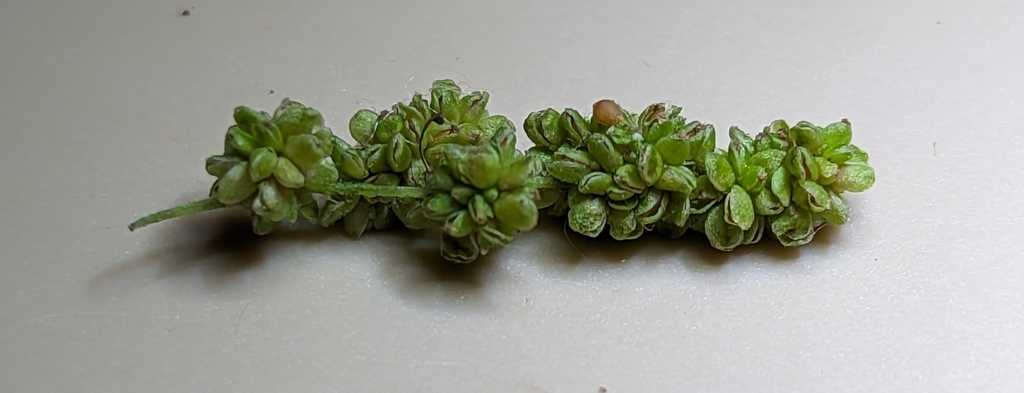
John A Haskins · CC BY 4.0
Photo source and identification
Original record · Original image
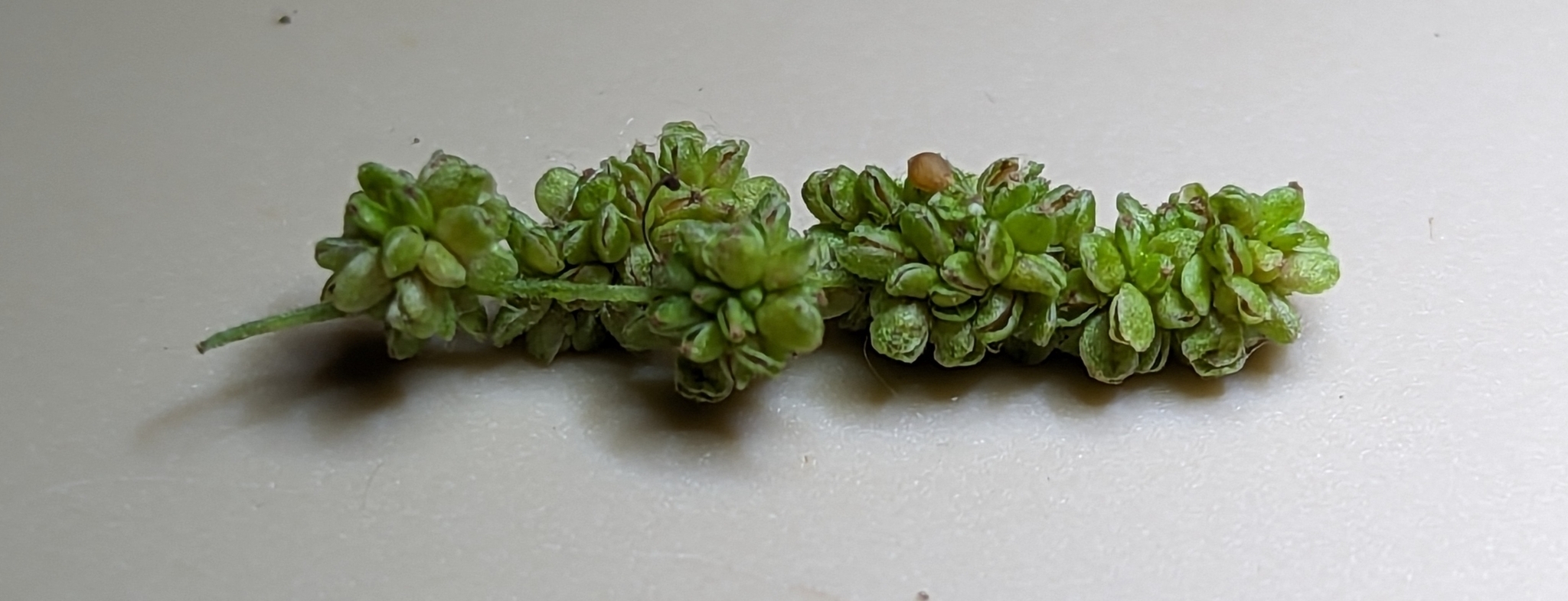
Source scientific identification plus visual morphology review of the selected photograph. This is a source-identified reference, not an independent specimen-based taxonomic determination. This guide uses the explicitly requested broad Urtica dioica treatment. Photo 10-01 is source-labelled Urtica dioica. Photos 10-02 and 10-03 are source-labelled Urtica gracilis gracilis (subspecies rank), a native North American nettle also treated historically as Urtica dioica subsp. gracilis. Those narrow source identifications are preserved and are not asserted to be Eurasian U. dioica sensu stricto.
iNaturalist large server-resized photo; no local crop, colour change or generative editing. Gallery display preserves the full image; catalog preview may use a CSS crop.
Identification
A rhizomatous perennial with opposite, toothed leaves, small greenish flower clusters and stinging hairs. It often forms dense patches in moist, fertile ground. N-urtica-dioica F-urtica
Evidence scope: Broad Urtica dioica complex.
People
Contact with stinging hairs can cause burning and itching. Avoid testing identification by touching the plant. N-urtica-dioica
Evidence scope: Broad Urtica dioica complex.
Dogs & cats
Keep faces and exposed skin away from stinging vegetation. This is a contact precaution based on the plant’s hairs; the reviewed sources do not establish pet-specific ingestion effects or a safe exposure. N-urtica-dioica
Evidence scope: Precautionary inference; pet evidence unresolved.
Other animals
Fresh nettles are generally unpalatable to livestock. Reports of processed nettle forage do not establish that standing plants or home preparations are safe for every animal. F-urtica
Evidence scope: Broad-complex forage evidence.
Plants & habitat
Patches can crowd a small garden yet provide cover and support insects in suitable habitat. Soil disturbance can redistribute rhizomes. F-urtica N-urtica-dioica
Evidence scope: Broad Urtica dioica complex.
Management & timing
Where removal is necessary, protect against contact and plan follow-up for rhizome regrowth. Mowing can produce new shoots rather than eliminate the patch. F-urtica
Evidence scope: Broad-complex management.
Before taking action
Confirm identification and the requirements of your county weed program. For chemical treatment, follow the current product label, including restrictions around animals and water. S27
References
- C-floristic-2020 — Colorado Floristic Quality Assessment: 2020 Update, Colorado Natural Heritage Program, Colorado State University. Accessed 2026-09-07T02:27:33+00:00. Locator: Appendix B, Colorado species list: scientific name and native/non-native fields.
- CO-rules-2025 — Colorado Noxious Weed Act rules, 8 CCR 1206-2, Colorado Secretary of State / Department of Agriculture. Accessed 2026-09-07T01:07:48+00:00. Locator: Parts 3.1, 4.1, 5.1; management provisions; effective May 15, 2025.
- N-urtica-dioica — Urtica dioica, NC State Extension. Accessed 2026-09-07T02:23:13+00:00. Locator: Description, identification attributes and plant problems; toxicity section where present.
- F-urtica — Stinging nettle, USDA Forest Service, Fire Effects Information System. Accessed 2026-09-07T02:24:50+00:00. Locator: Taxonomy, distribution, botanical description, wildlife/livestock values and management.
- S27 — 2103 – Colorado Noxious Weeds, PlantTalk Colorado · CSU Extension. Accessed 2026-09-07T00:23:57+00:00. Locator: List A, B and C management categories.