Plains pricklypear
Discuss this plant with the guide — choose this profile as a possible match and prepare your observations for Colorado Plants & Practical Care.
Opuntia polyacantha
Native Colorado plant · not on state Lists A/B/C. C-floristic-2020 CO-rules-2025
Sharp spines around paws, mouths and eyes. Exposure help.
Identification caveat: Many Opuntia species share prickly-pear names. Source photographs are species references, not a complete key to Colorado cacti or a basis for edible-fruit identification.
Still researching this plant
This is a sourced working profile. Evidence is incomplete for Dogs & cats. Identification and source-photo limits are explained below. Independent botanical and veterinary review is pending. Uncertainty is not a finding that the plant is safe.
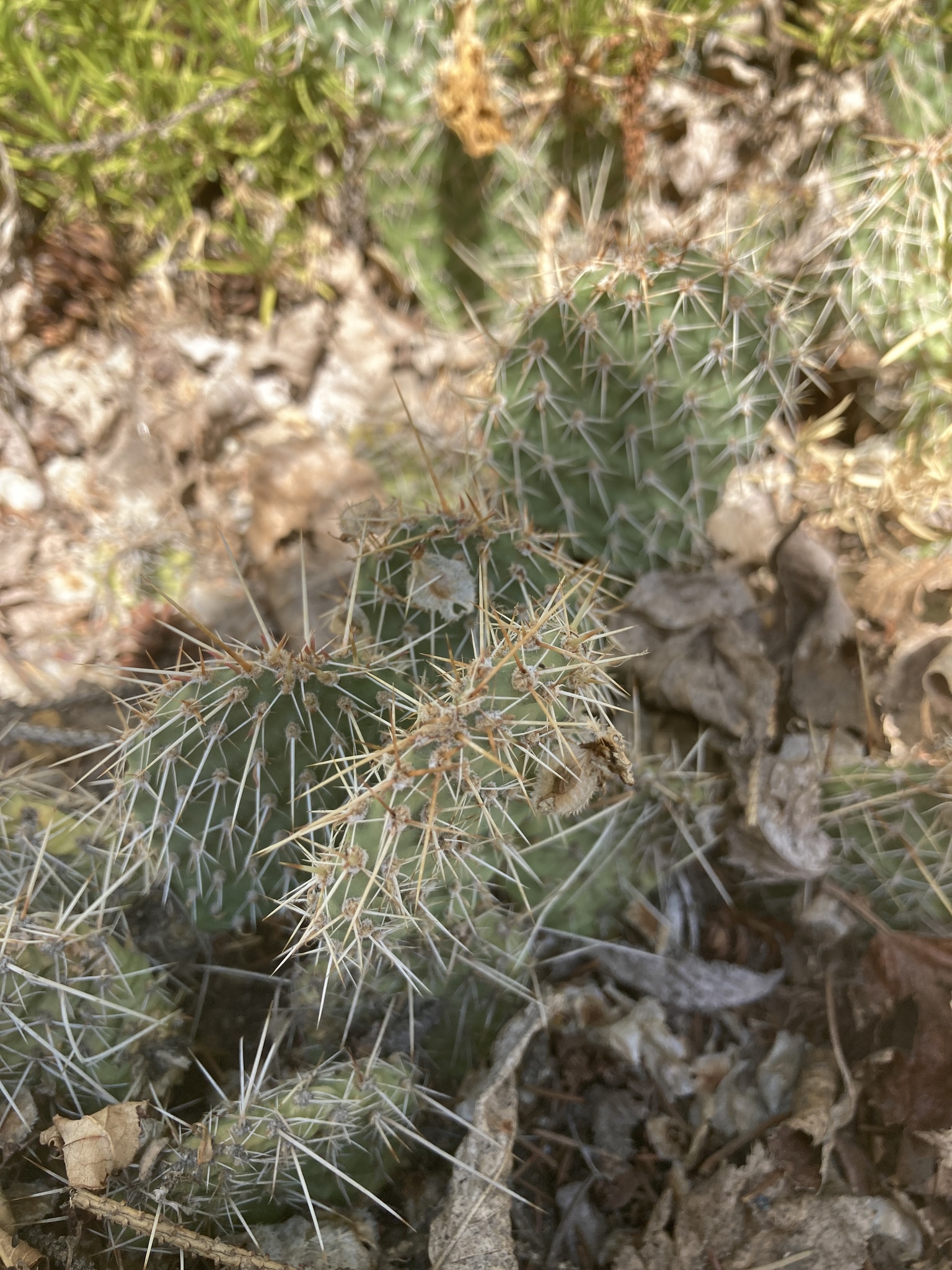
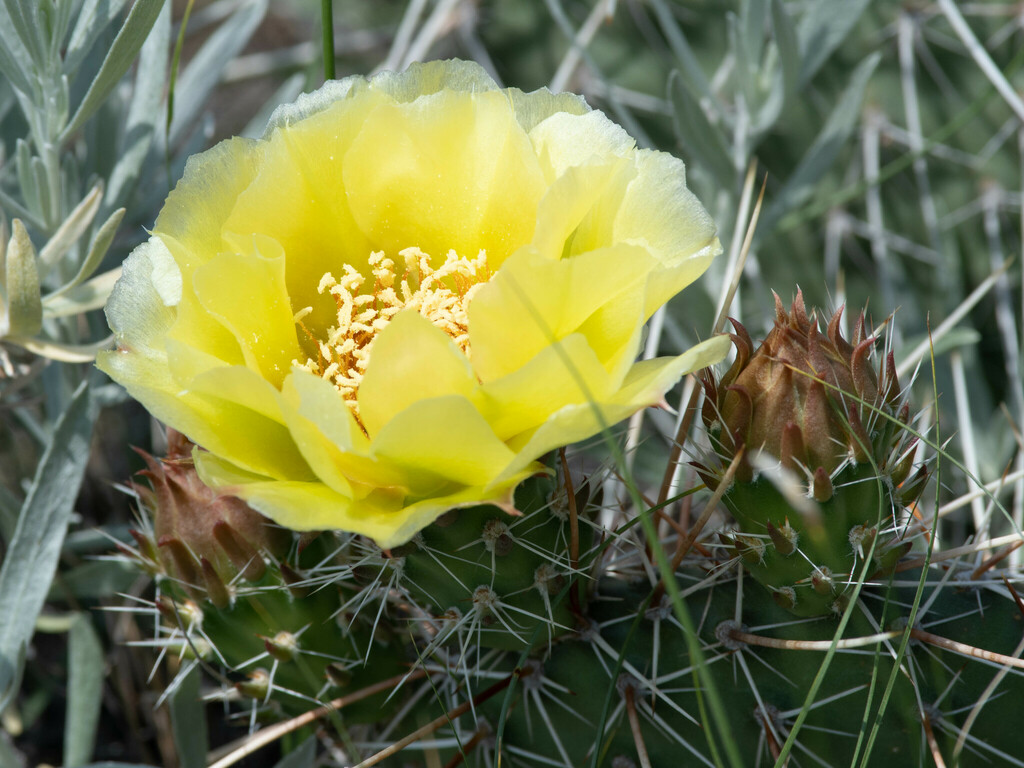
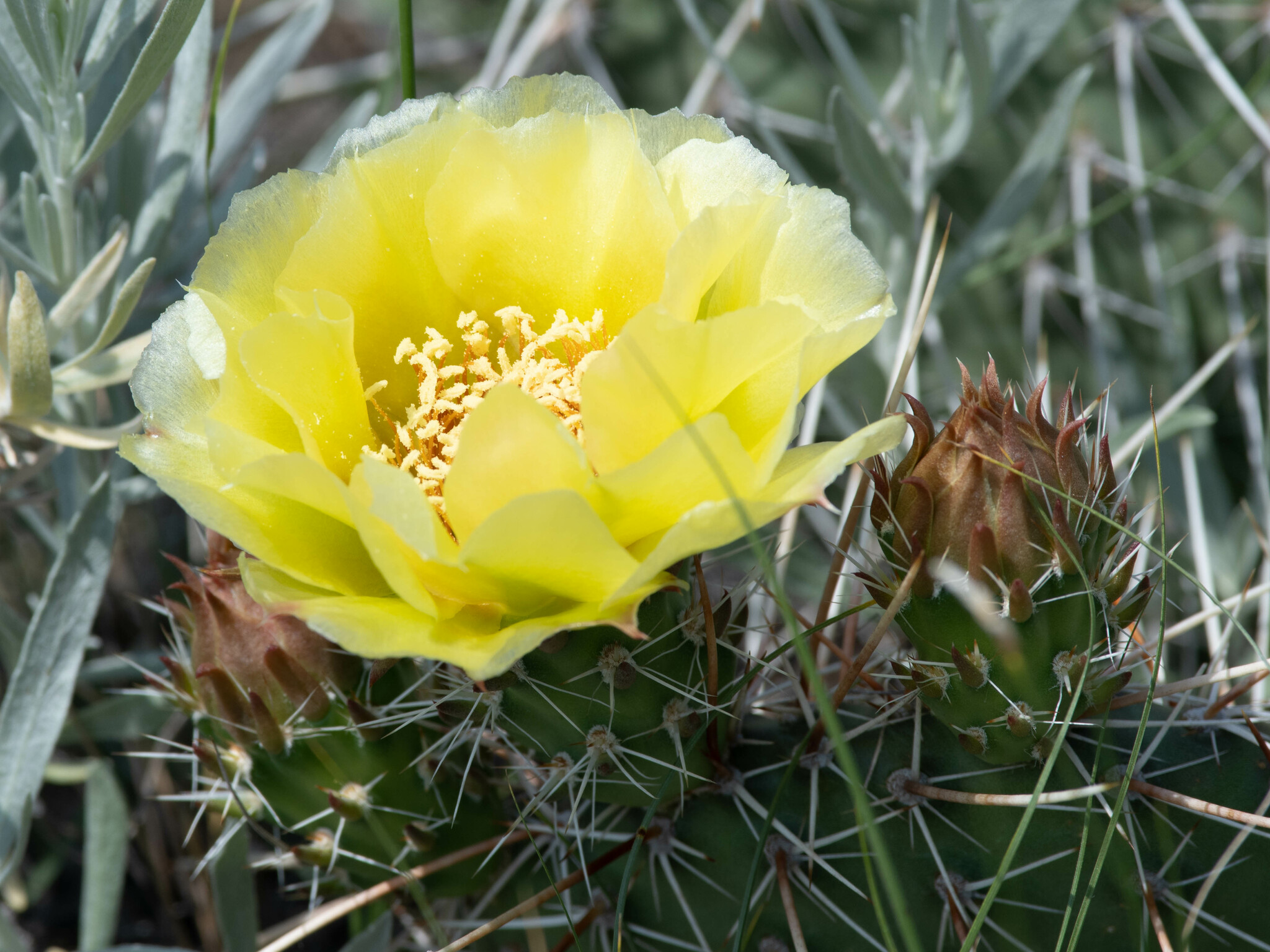
Three views of this plant
Source-identified reference photographs; these are not a complete identification key. A source location outside Colorado does not establish local occurrence.
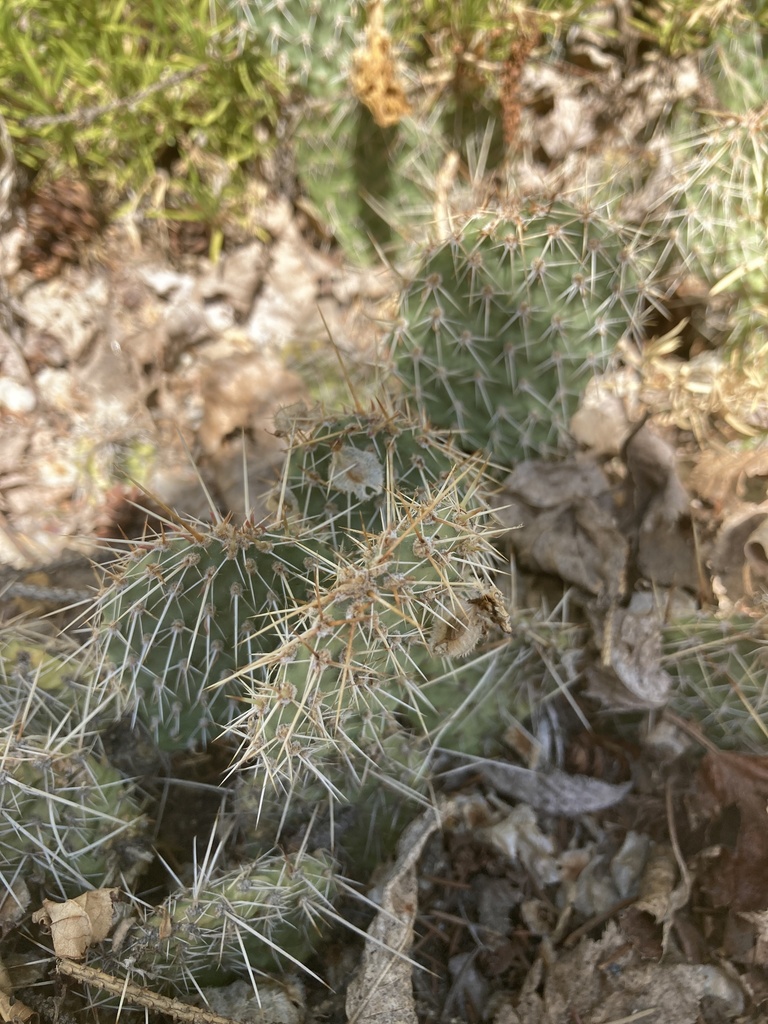
eigenmotion · CC BY 4.0
Photo source and identification
Original record · Original image
Explicit iNaturalist observation taxon and Research Grade community identification; photograph visually reviewed for depicted features. This is source identification, not a new independent botanical determination. Source identifies this plant to species; no variety or subspecies determination is asserted.
Downloaded iNaturalist large rendition; downloaded bytes retained unchanged. No local crop, retouching, or generative editing. Gallery display preserves the full image; catalog preview may use a CSS crop.
Kathlin Simpkins · CC0 1.0
Photo source and identification
Original record · Original image
Explicit iNaturalist observation taxon and Research Grade community identification; photograph visually reviewed for depicted features. This is source identification, not a new independent botanical determination. Source identifies this plant to species; no variety or subspecies determination is asserted.
Downloaded iNaturalist large rendition; downloaded bytes retained unchanged. No local crop, retouching, or generative editing. Gallery display preserves the full image; catalog preview may use a CSS crop.
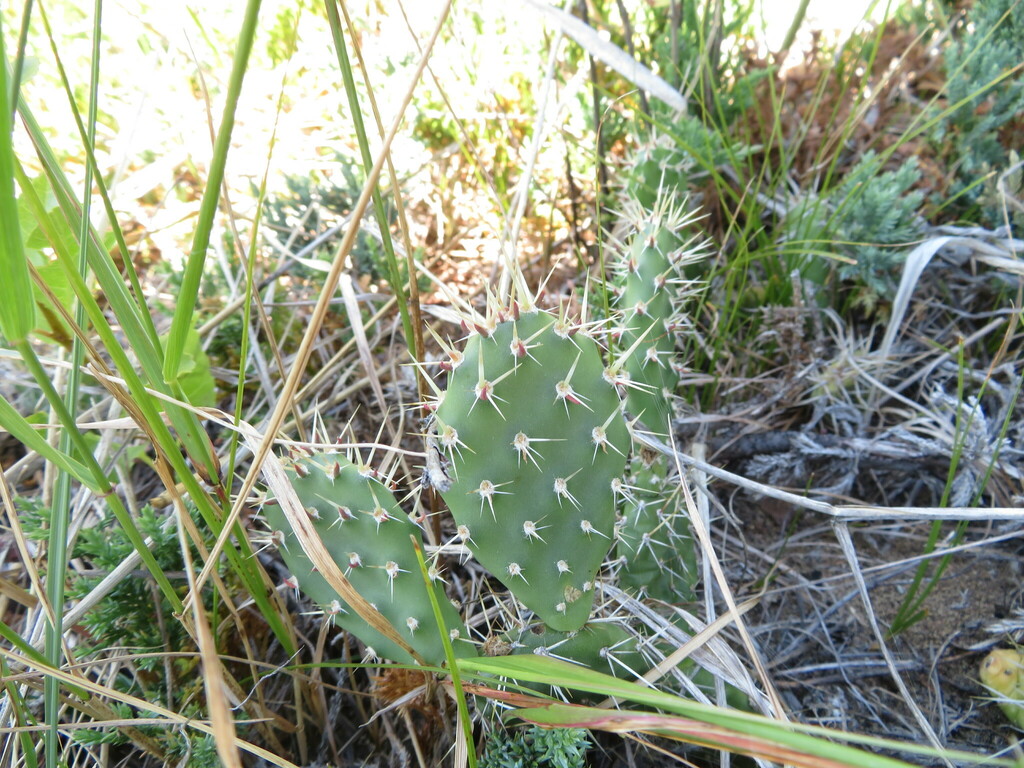
dghjertaas · CC0 1.0
Photo source and identification
Original record · Original image
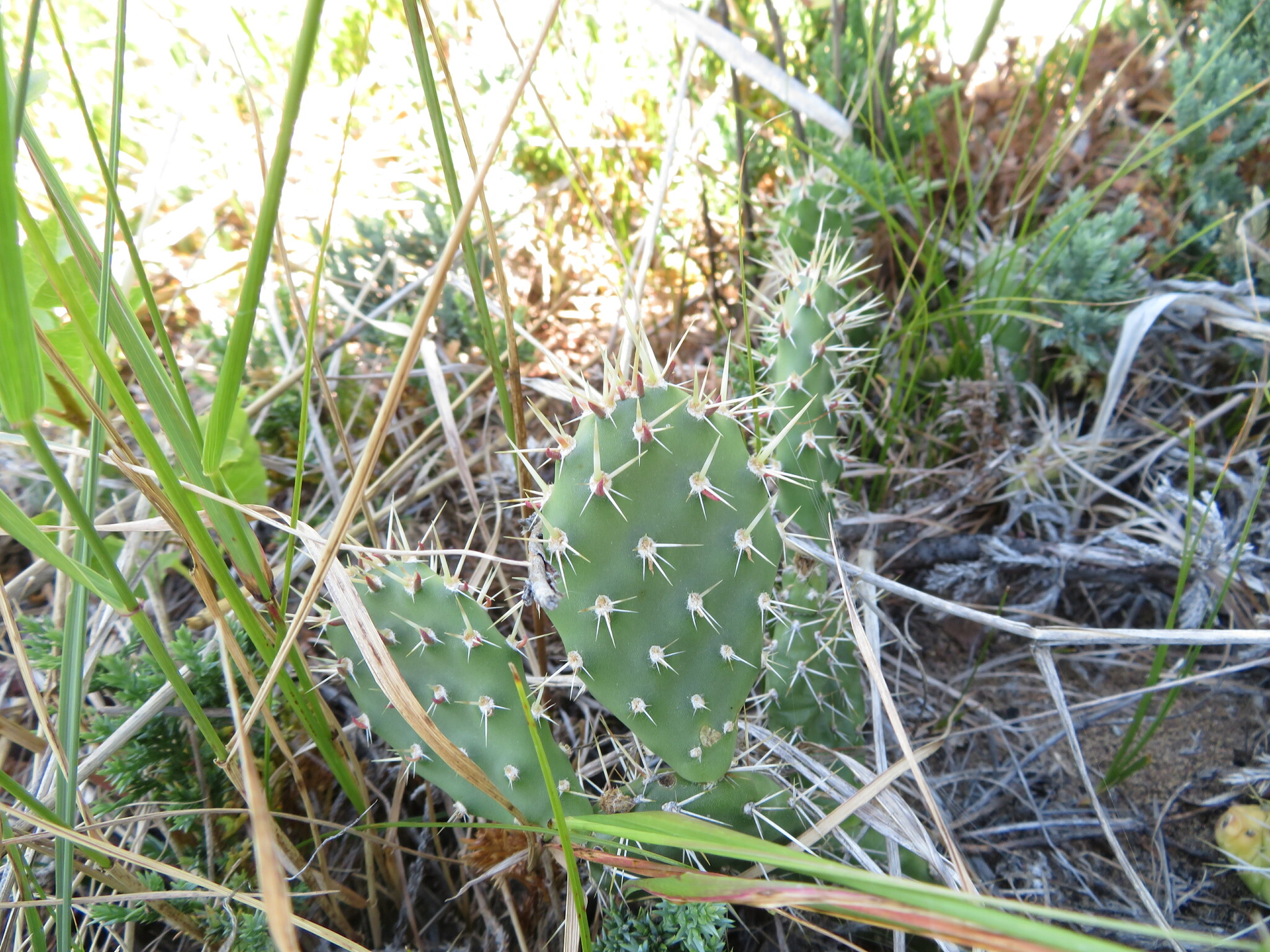
Explicit iNaturalist observation taxon and Research Grade community identification; photograph visually reviewed for depicted features. This is source identification, not a new independent botanical determination. Source identifies this plant to species; no variety or subspecies determination is asserted.
Downloaded iNaturalist large rendition; downloaded bytes retained unchanged. No local crop, retouching, or generative editing. Gallery display preserves the full image; catalog preview may use a CSS crop.
Identification
A low, mat-forming cactus with flattened pads, clusters of spines and fruits that dry at maturity. Several varieties are included within this species. F-opuntia
People
Pads and fruits carry sharp points. Avoid bare-hand handling; eye contact deserves prompt medical assessment. F-opuntia
Evidence scope: Mechanical-injury precaution inferred from spines.
Dogs & cats
Keep animals from running into, biting or pawing the cactus. Spines create a mechanical injury risk; chemical ingestion toxicity is not established here. F-opuntia
Evidence scope: Mechanical-injury precaution; toxicology unresolved.
Other animals
Some wildlife eat it. Livestock forage use described by the Forest Service does not eliminate the hazard of intact spines. F-opuntia
Plants & habitat
A native of dry grasslands and shrublands and a participant in CSU’s very-low-water demonstration garden. It can be desirable away from heavy foot or pet traffic. F-opuntia C-low-water-cactus
Management & timing
Choose placement with room around walkways and animal routes. Inspect for detached pads before allowing pets back into a worked area. F-opuntia
Evidence scope: Placement and handling precaution.
Before taking action
Confirm identification and the requirements of your county weed program. For chemical treatment, follow the current product label, including restrictions around animals and water. S27
References
- C-floristic-2020 — Colorado Floristic Quality Assessment: 2020 Update, Colorado Natural Heritage Program, Colorado State University. Accessed 2026-09-07T02:27:33+00:00. Locator: Appendix B, Colorado species list: scientific name and native/non-native fields.
- CO-rules-2025 — Colorado Noxious Weed Act rules, 8 CCR 1206-2, Colorado Secretary of State / Department of Agriculture. Accessed 2026-09-07T01:07:48+00:00. Locator: Parts 3.1, 4.1, 5.1; management provisions; effective May 15, 2025.
- F-opuntia — Plains pricklypear, USDA Forest Service, Fire Effects Information System. Accessed 2026-09-07T02:24:48+00:00. Locator: Taxonomy, distribution, botanical description, wildlife/livestock values and management.
- C-low-water-cactus — Very Low Water Garden, Colorado State University Extension, El Paso County. Accessed 2026-09-07T02:33:43+00:00. Locator: Named species descriptions and landscape context; sagebrush subspecies distinctions.
- S27 — 2103 – Colorado Noxious Weeds, PlantTalk Colorado · CSU Extension. Accessed 2026-09-07T00:23:57+00:00. Locator: List A, B and C management categories.