Meadow death camas
Discuss this plant with the guide — choose this profile as a possible match and prepare your observations for Colorado Plants & Practical Care.
Toxicoscordion venenosum
Native regional plant; death-camas poisoning hazard. B-deathcamas C-routt-guide
Potentially fatal ingestion; onion-like bulbs. Exposure help.
Identification caveat: Older sources use Zigadenus. T. venenosum includes named varieties; Colorado’s older county guide treats death camas as a group. Images show the species broadly and do not prove a particular variety or county occurrence.
Still researching this plant
This is a sourced working profile. Evidence is incomplete for Dogs & cats. Identification and source-photo limits are explained below. Independent botanical and veterinary review is pending. Uncertainty is not a finding that the plant is safe.
Three views of this plant
Source-identified reference photographs; these are not a complete identification key. A source location outside Colorado does not establish local occurrence.
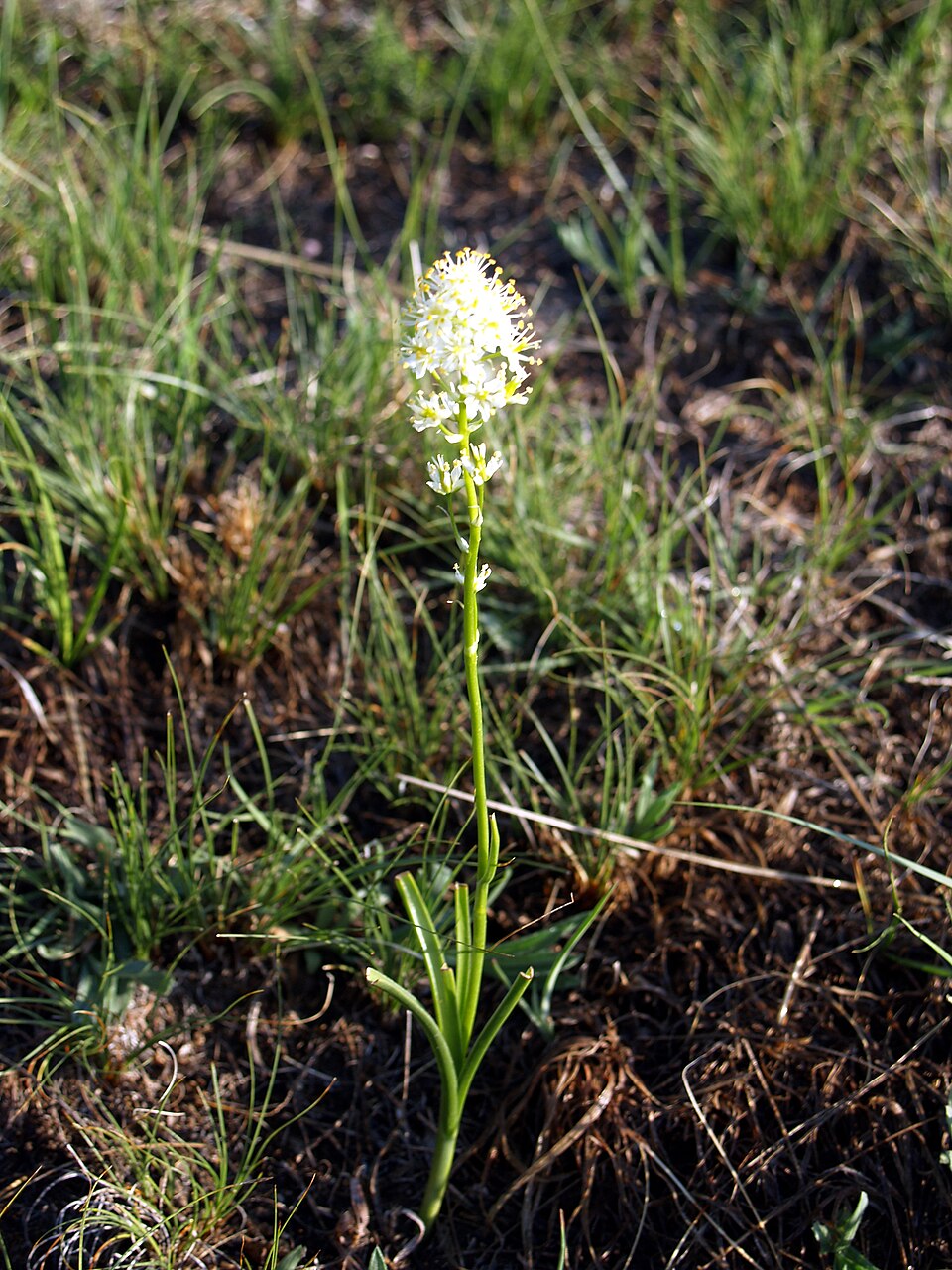
NPS Photo · Public domain
.JPG#Licensing)
Photo source and identification
Original record · Original image
.JPG)

Source scientific identification plus visual morphology review of the selected photograph. This is a source-identified reference, not a specimen-based taxonomic determination. The requested name and synonym Zigadenus venenosus are preserved. Other death-camas taxa were not substituted; identification follows the exact scientific source label.
Wikimedia server-resized derivative; no crop, colour change or generative editing. Gallery display preserves the full image; the catalog preview uses a CSS crop.
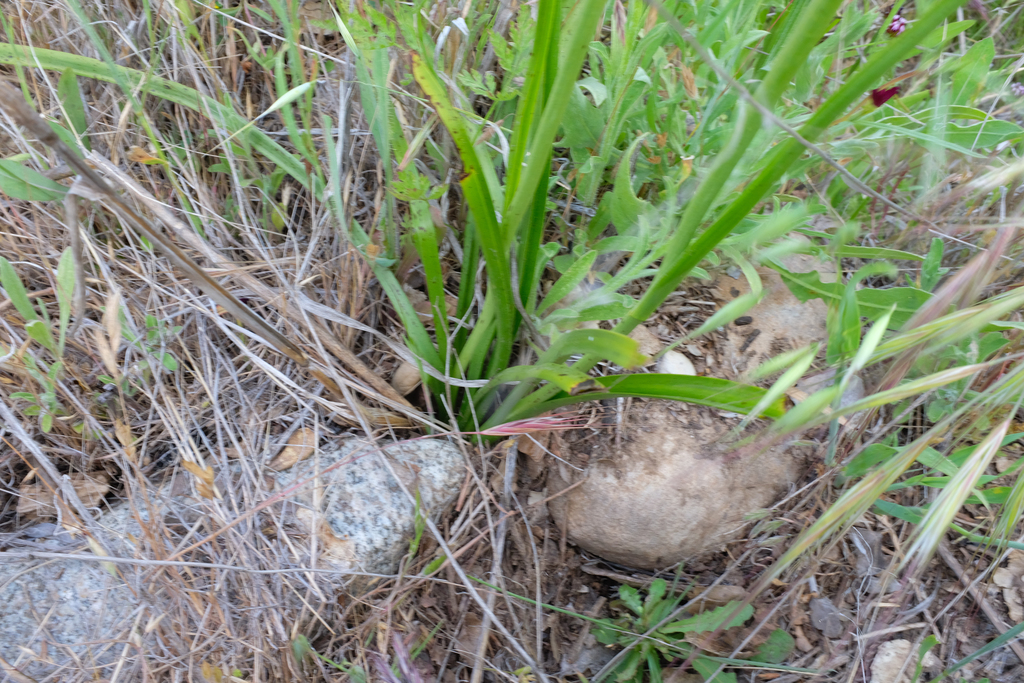
paulexcoff · CC BY-SA 4.0
Photo source and identification
Original record · Original image
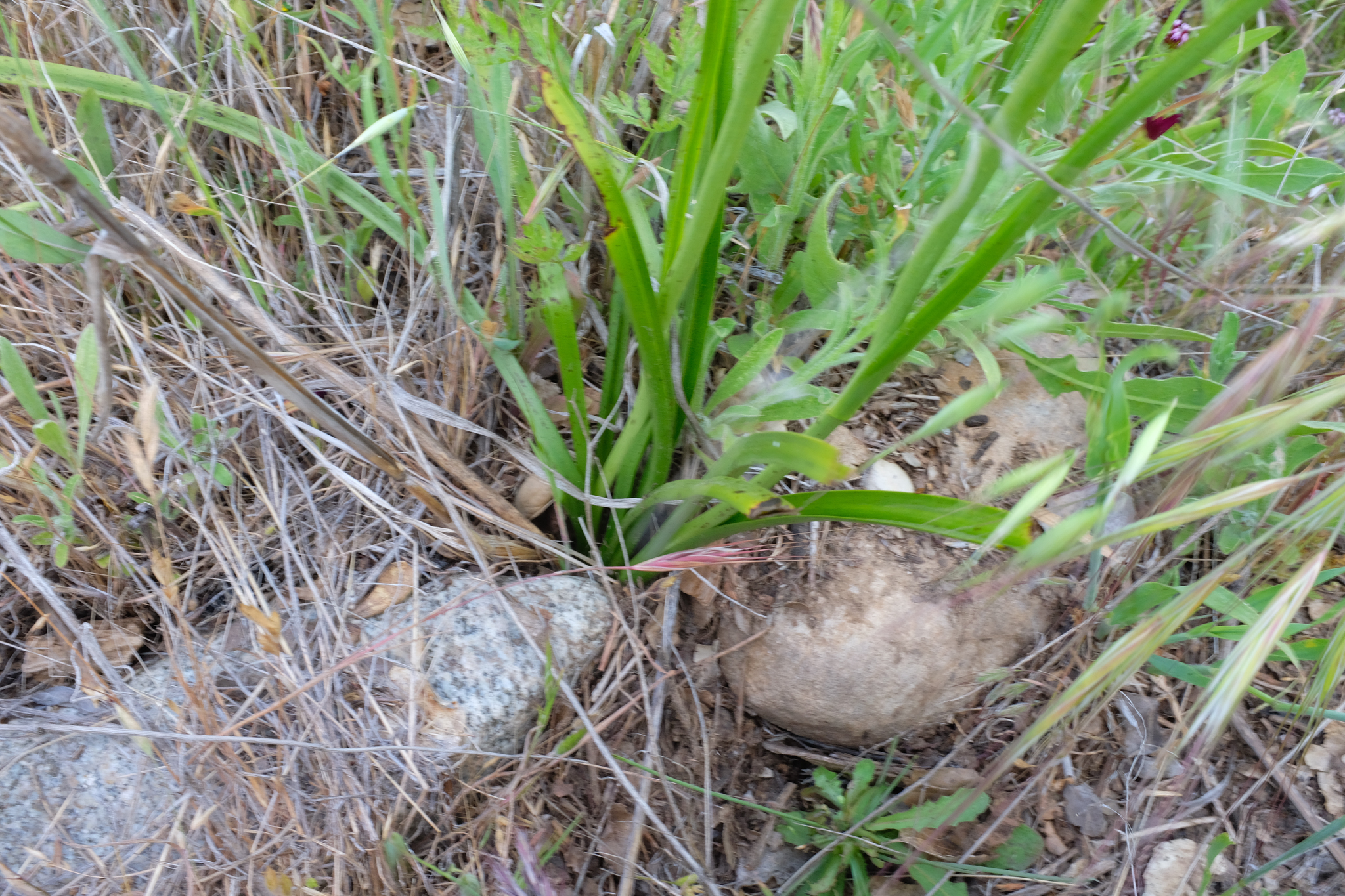
Source scientific identification plus visual morphology review of the selected photograph. This is a source-identified reference, not a specimen-based taxonomic determination. The requested name and synonym Zigadenus venenosus are preserved. Other death-camas taxa were not substituted; identification follows the exact scientific source label.
iNaturalist large server-resized photo; no crop, colour change or generative editing. Gallery display preserves the full image; the catalog preview uses a CSS crop.
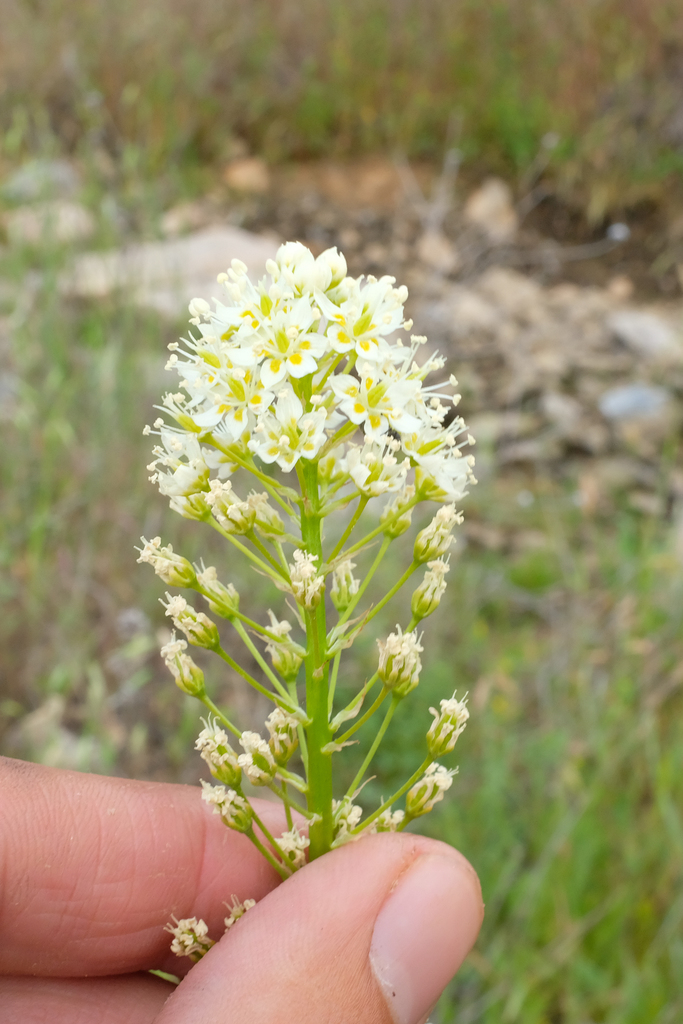
paulexcoff · CC BY-SA 4.0
Photo source and identification
Original record · Original image
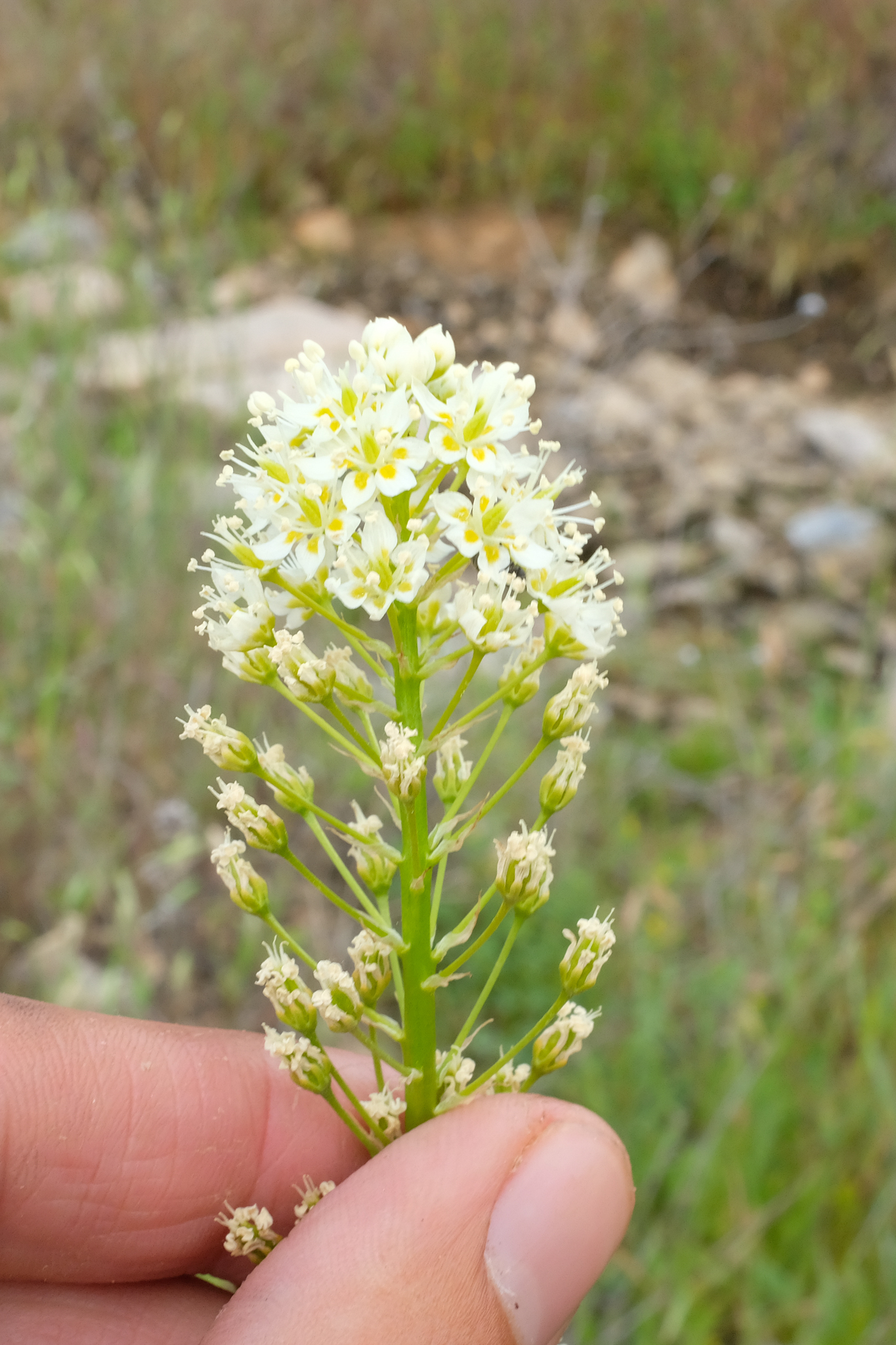
Source scientific identification plus visual morphology review of the selected photograph. This is a source-identified reference, not a specimen-based taxonomic determination. The requested name and synonym Zigadenus venenosus are preserved. Other death-camas taxa were not substituted; identification follows the exact scientific source label.
iNaturalist large server-resized photo; no crop, colour change or generative editing. Gallery display preserves the full image; the catalog preview uses a CSS crop.
Recognize
Death camas has grass-like leaves, underground bulbs and clusters of pale yellow-white flowers. Do not taste a bulb or use onion-like appearance as an edible-plant test. ARS-deathcamas
Evidence scope: Death-camas group morphology.
Plants & habitat
The regional taxon T. venenosum var. gramineum occurs in grassland and pine openings. Death camas is an early-season grazing hazard. B-deathcamas ARS-deathcamas
Evidence scope: Regional variety and death-camas group.
People
Death-camas bulbs have caused severe and fatal human poisoning. Suspected ingestion requires emergency medical help. ARS-deathcamas
Evidence scope: Death-camas group including Z. venenosus.
Dogs & cats
The reviewed sources do not establish species-specific ingestion effects or a safe exposure amount for dogs or cats. Missing evidence does not establish safety.
Other animals
All parts contain poisonous alkaloids; cardiovascular failure can be fatal. Sheep are often affected, but cattle and horses are also at risk. ARS-deathcamas
Evidence scope: Death-camas group including Z. venenosus.
Before taking action
Confirm identification and the requirements of your county weed program. For chemical treatment, follow the current product label, including restrictions around animals and water. S27
References
- B-deathcamas — Toxicoscordion venenosum var. gramineum, University of Washington Burke Herbarium; Don Knoke and David Giblin. Accessed 2026-09-07T01:34:00+00:00. Locator: Species descriptions, occurrence and hazard sections; food preparation and treatment instructions not adopted.
- C-routt-guide — Routt County Weed Identification Guide, Routt County / Colorado State University Extension. Accessed 2026-09-07T01:14:14+00:00. Locator: Common weeds and poisonous plants; 2021 edition.
- ARS-deathcamas — Deathcamas, USDA Agricultural Research Service. Accessed 2026-09-07T01:37:13+00:00. Locator: Description; toxicity; species group including Zigadenus venenosus.
- S27 — 2103 – Colorado Noxious Weeds, PlantTalk Colorado · CSU Extension. Accessed 2026-09-07T00:23:57+00:00. Locator: List A, B and C management categories.