White locoweed
Discuss this plant with the guide — choose this profile as a possible match and prepare your observations for Colorado Plants & Practical Care.
Oxytropis sericea
Colorado native. F-locoweed
Toxic to livestock. Native status, garden use and noxious-weed class are separate from toxicity. Exposure help.
Identification caveat: The USFS synthesis dates to 1993; its taxonomy and cited studies are retained as historical evidence. No pet dose is inferred from livestock studies.
Still researching this plant
This is a sourced working profile. Evidence is incomplete for People, Dogs & cats. Identification and source-photo limits are explained below. Independent botanical and veterinary review is pending. Uncertainty is not a finding that the plant is safe.
Three views of this plant
Photos are source-identified examples, not a complete identification key. Check leaves, stems, flowers and fruit together. Locations are not assumed to be in Colorado.
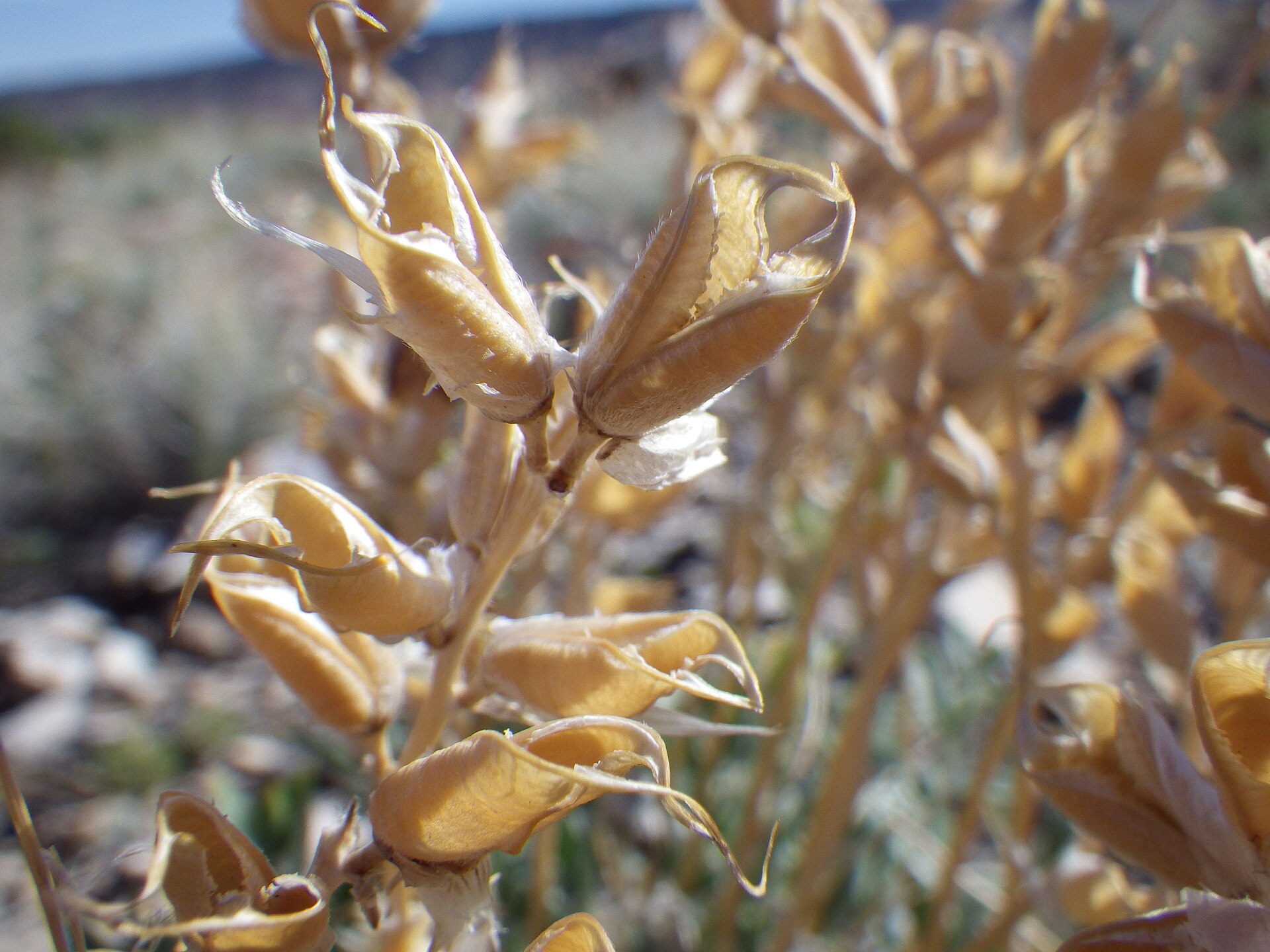
Matt Lavin from Bozeman, Montana, USA · CC BY-SA 2.0
Photo source and identification
Original record · Original image
.jpg)

Wikimedia Commons source file title and species metadata identify the taxon. Visible morphology was checked for consistency, not treated as an independent botanical determination.
No edits to the downloaded image. Wikimedia may have supplied a scaled thumbnail; original and download URLs are recorded separately. Gallery display preserves the full image; the catalog preview uses a CSS crop.
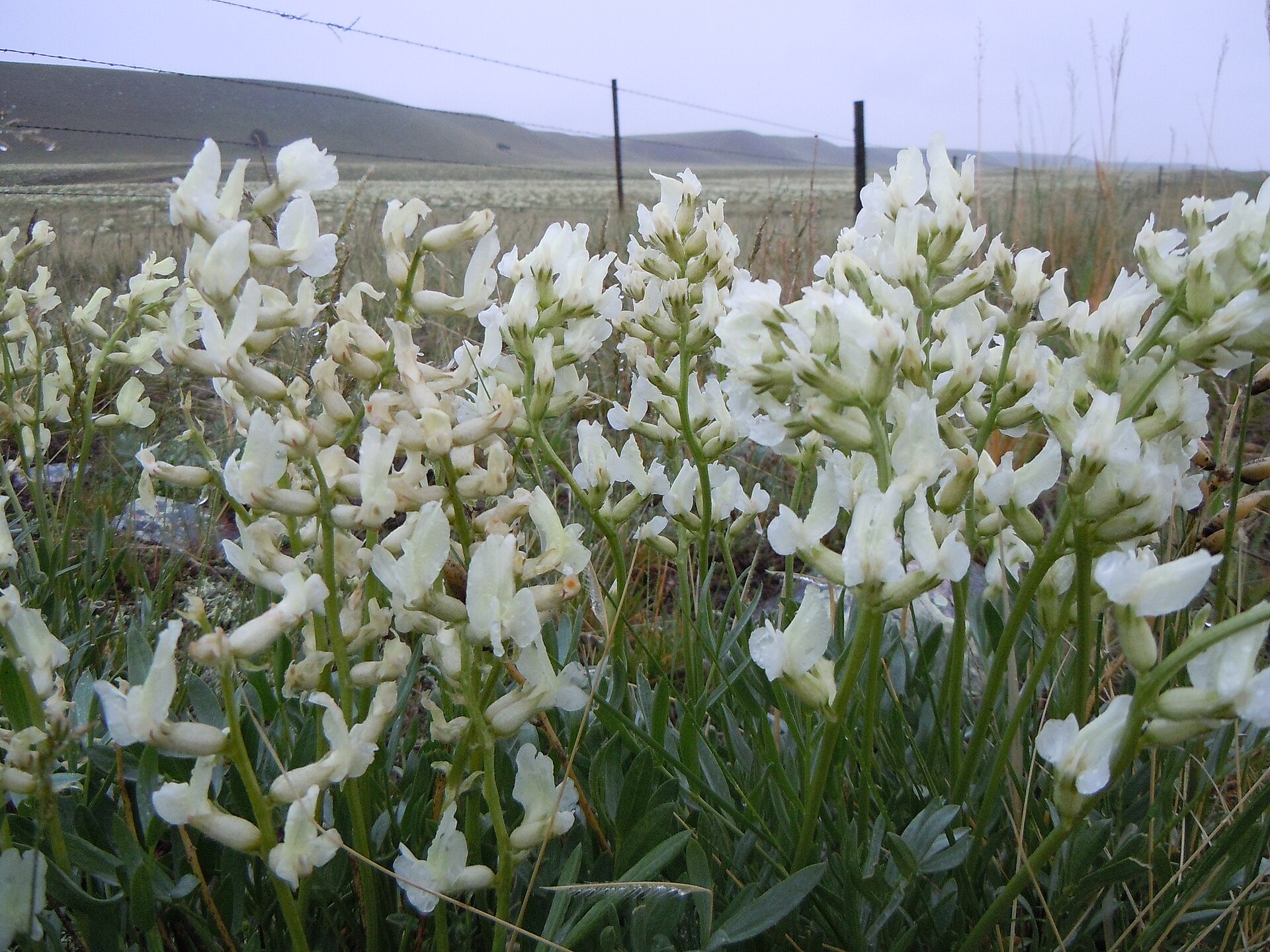
Matt Lavin · CC BY-SA 2.0
Photo source and identification
Original record · Original image


Wikimedia Commons source file title and species metadata identify the taxon. Visible morphology was checked for consistency, not treated as an independent botanical determination.
No edits to the downloaded image. Wikimedia may have supplied a scaled thumbnail; original and download URLs are recorded separately. Gallery display preserves the full image; the catalog preview uses a CSS crop.
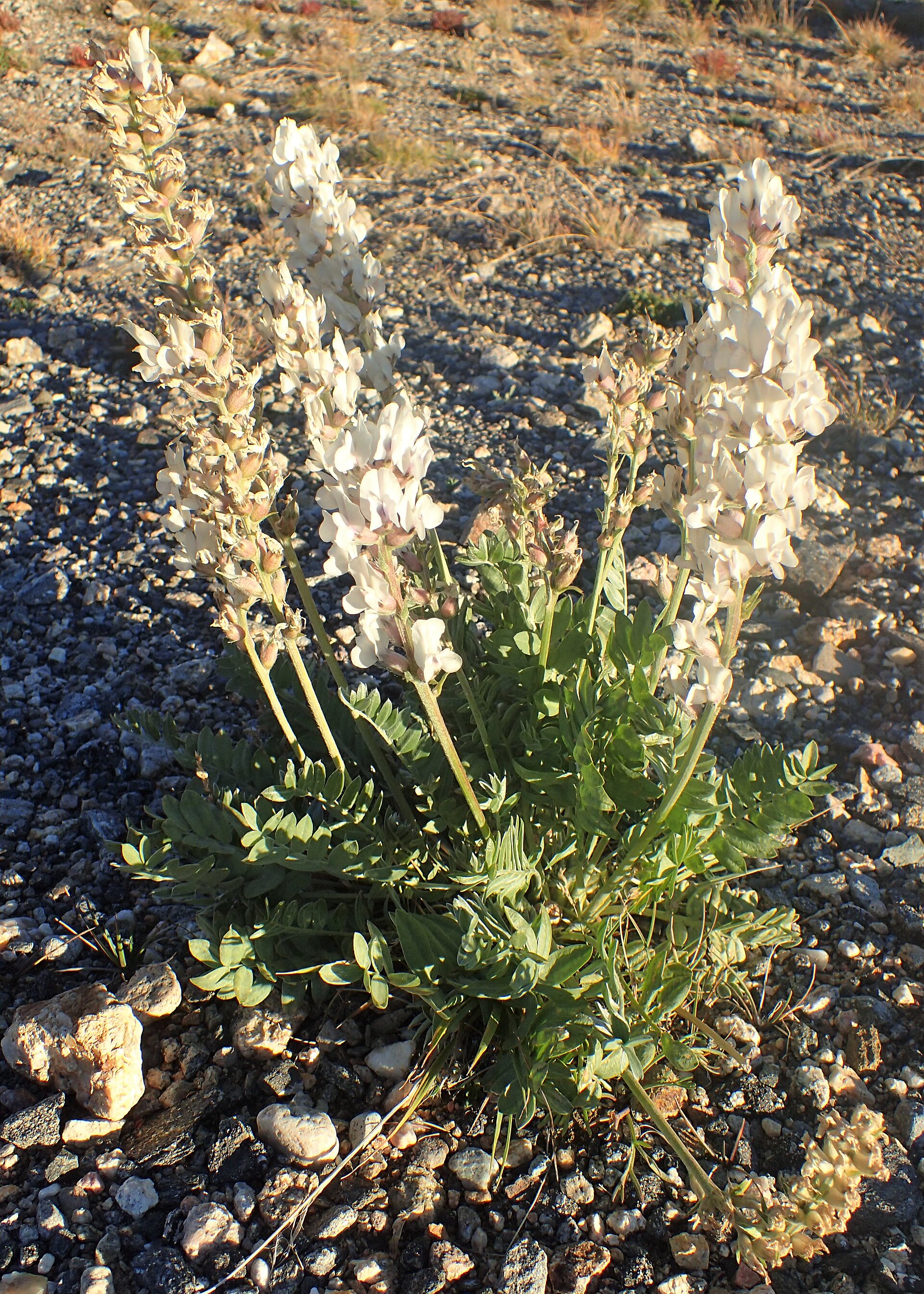
Kenraiz · CC BY-SA 4.0
Photo source and identification
Original record · Original image


Wikimedia Commons source file title and species metadata identify the taxon. Visible morphology was checked for consistency, not treated as an independent botanical determination.
No edits to the downloaded image. Wikimedia may have supplied a scaled thumbnail; original and download URLs are recorded separately. Gallery display preserves the full image; the catalog preview uses a CSS crop.
Recognize
A low perennial with pinnately compound leaves and pale pea-like flowers; use a botanical key to separate similar locoweeds. F-locoweed
Plants & habitat
Native on open western plains and mountain sites, with persistent seed banks. Occurrence alone is not proof of an invasive-weed problem. F-locoweed
People
Human exposure effects were not established in the reviewed livestock sources; this is not a food plant recommendation. This is an evidence gap, not proof of safety.
Dogs & cats
Species-specific ingestion effects and exposure thresholds were not established in the reviewed sources. This is an evidence gap, not proof of safety.
Other animals
Locoweeds can cause neurological damage, wasting and reproductive harm in livestock, including horses. White locoweed remains poisonous when dried. Keep it out of feed and seek livestock-veterinary advice. F-locoweed A-loco
Evidence scope: Species-specific persistence; locoweed-group clinical effects.
Before taking action
Confirm the scientific name before removing a plant, changing animal access, or choosing treatment. An evidence gap means this review has not resolved the question. It does not mean safe. For listed weeds, consult your county weed program about the requirements for your location; follow the current label for any pesticide. S27
References
- F-locoweed — Oxytropis sericea species review, US Forest Service. Accessed 2026-09-07T00:27:18+00:00. Locator: Description, distribution, hazards, management; see claim locator.
- A-loco — Locoweed (Astragalus and Oxytropis spp.), USDA Agricultural Research Service. Accessed 2026-09-07T00:27:18+00:00. Locator: Description, distribution, hazards, management; see claim locator.