Showy milkweed
Discuss this plant with the guide — choose this profile as a possible match and prepare your observations for Colorado Plants & Practical Care.
Asclepias speciosa
Toxic if eaten. Native status, garden use and noxious-weed class are separate from toxicity. Exposure help.
Still researching this plant
This is a sourced working profile. The cited findings are available below. Independent botanical and veterinary review is pending. Uncertainty is not a finding that the plant is safe.
Three views of this plant
Photos are source-identified examples, not a complete identification key. Check leaves, stems, flowers and fruit together. Locations are not assumed to be in Colorado.
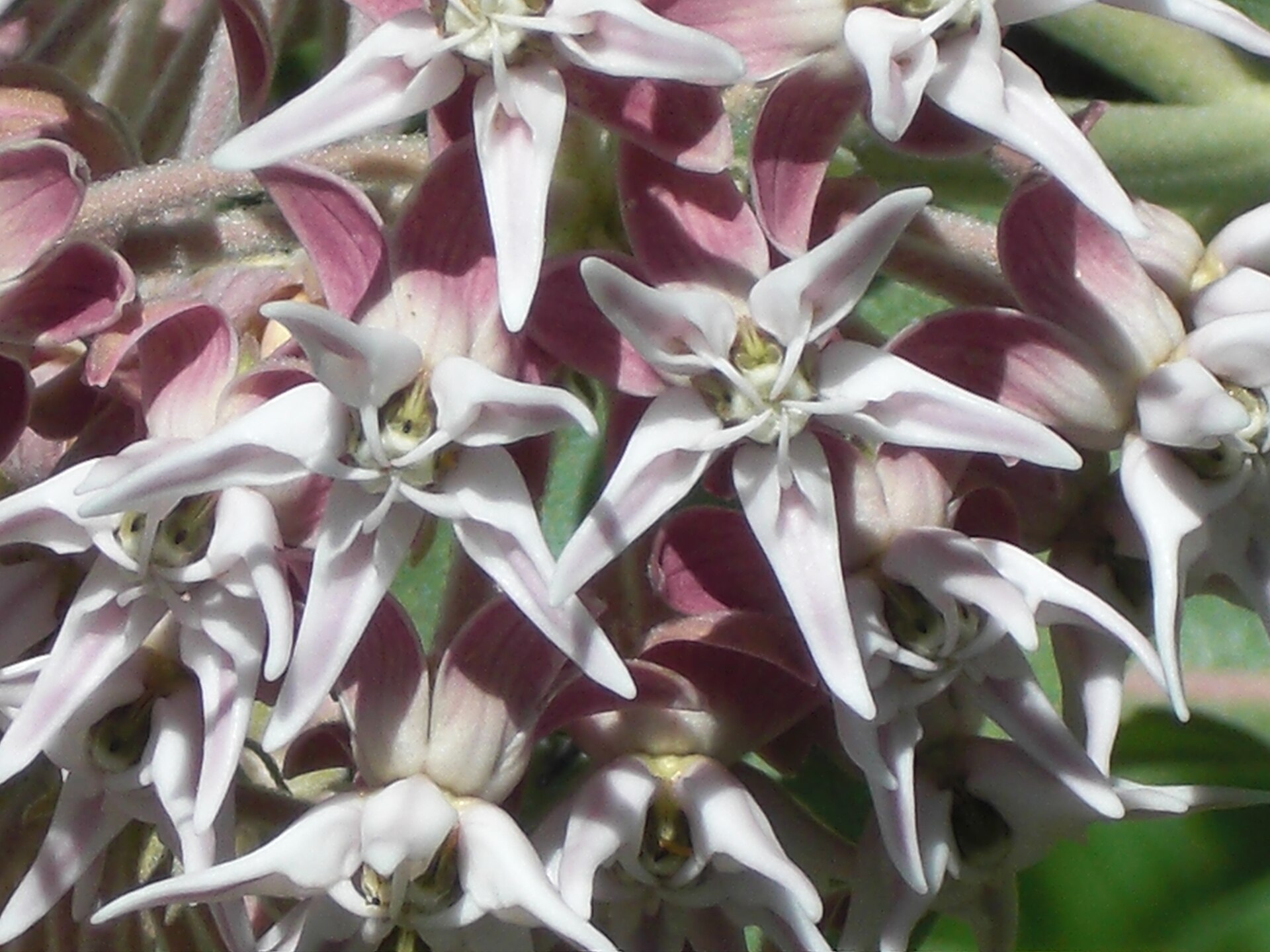
Andrey Zharkikh · CC BY 2.0
Photo source and identification
Original record · Original image


Wikimedia Commons source file title and species metadata identify the taxon. Visible morphology was checked for consistency, not treated as an independent botanical determination.
No edits to the downloaded image. Wikimedia may have supplied a scaled thumbnail; original and download URLs are recorded separately. Gallery display preserves the full image; the catalog preview uses a CSS crop.
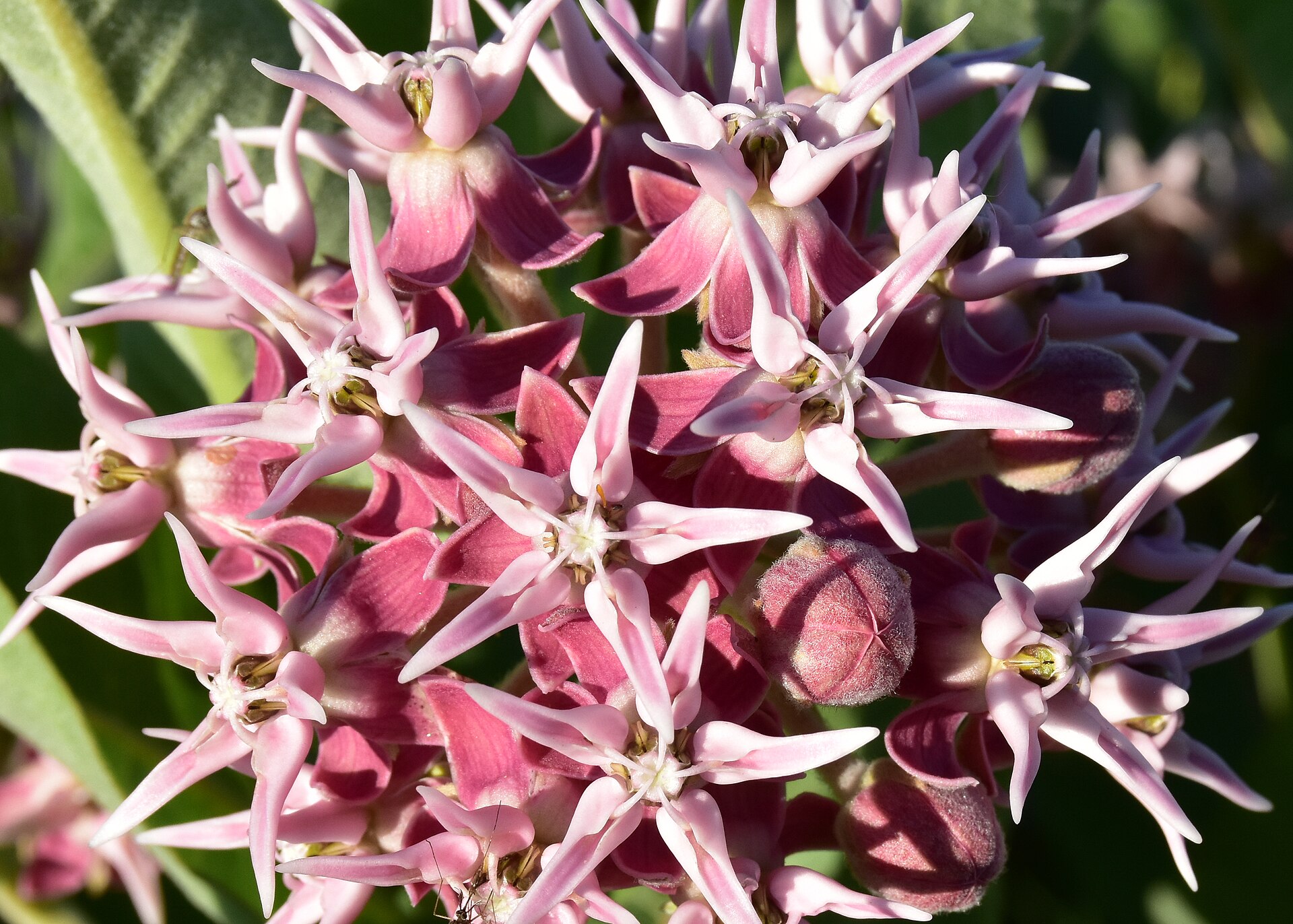
Tom Koerner / U.S. Fish and Wildlife Service · Public domain
Photo source and identification
Original record · Original image
.jpg)

Wikimedia Commons source file title and species metadata identify the taxon. Visible morphology was checked for consistency, not treated as an independent botanical determination.
No edits to the downloaded image. Wikimedia may have supplied a scaled thumbnail; original and download URLs are recorded separately. Gallery display preserves the full image; the catalog preview uses a CSS crop.
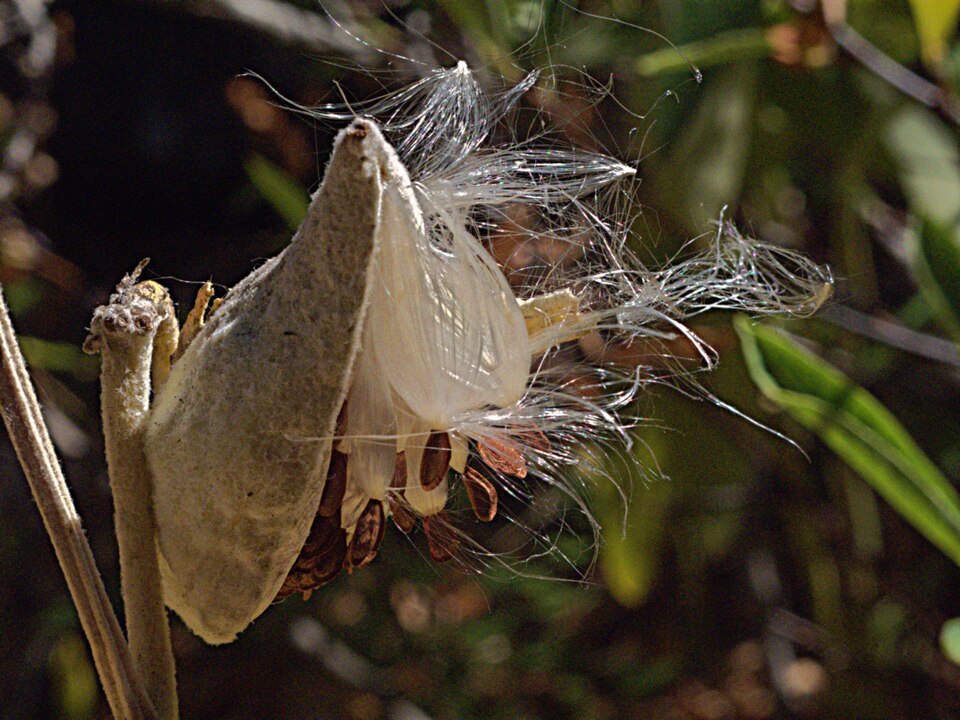
John Rusk from Berkeley, CA, United States of America · CC BY 2.0
Photo source and identification
Original record · Original image
.jpg)

Wikimedia Commons source file title and species metadata identify the taxon. Visible morphology was checked for consistency, not treated as an independent botanical determination.
No edits to the downloaded image. Wikimedia may have supplied a scaled thumbnail; original and download URLs are recorded separately. Gallery display preserves the full image; the catalog preview uses a CSS crop.
Recognize
Pink flower clusters on an upright perennial; included in the Front Range native plant guide. S03
Plants & habitat
Self-seeds and supports monarch caterpillars. Garden judgment: give volunteers room or manage seedlings beside smaller plants. S02
People
Milkweed ingestion can cause serious poisoning; sap may irritate skin and eyes. Wear gloves when handling. S05
Evidence scope: Genus-level.
Dogs & cats
Milkweeds are toxic to both. Signs can include vomiting and weakness, with potentially severe effects. Contact a veterinarian promptly after suspected ingestion. S04
Evidence scope: Genus-level.
Other animals
Milkweeds can poison horses and other livestock, while monarch caterpillars use this species as food. S04 S02
Evidence scope: Genus-level toxicity; species-specific benefit.
Before taking action
Confirm the scientific name before removing a plant, changing animal access, or choosing treatment. An evidence gap means this review has not resolved the question. It does not mean safe. For listed weeds, consult your county weed program about the requirements for your location; follow the current label for any pesticide. S27
References
- S02 — Low Water Native Plants for Pollinators, CSU Extension · Pueblo County. Accessed 2026-09-07T00:23:52+00:00. Locator: Mid-Season Wildflowers: Showy Milkweed.
- S28 — Loving Our Native Plants, CSU Extension · Pueblo County. Accessed 2026-09-07T00:23:56+00:00. Locator: Native landscape plant list: Common sunflower and Showy milkweed.
- S03 — Low-Water Native Plants for Colorado Gardens: Front Range & Foothills, Colorado Native Plant Society / CSU Extension. Accessed 2026-09-07T00:23:53+00:00. Locator: Plant table: Asclepias speciosa and Achillea millefolium.
- S05 — Milkweed plants can cause serious poisoning, National Capital Poison Center. Accessed 2026-09-07T00:23:53+00:00. Locator: Symptoms; Effects on skin and in eyes; prevention.
- S04 — Milkweed, ASPCA Poison Control. Accessed 2026-09-07T00:23:52+00:00. Locator: Scientific Name; Toxicity; Clinical Signs; poison contact.