Netseed lambsquarters
Discuss this plant with the guide — choose this profile as a possible match and prepare your observations for Colorado Plants & Practical Care.
Chenopodium berlandieri
Native Colorado plant · not on state Lists A/B/C. C-floristic-2020 CO-rules-2025
A fast-growing volunteer; pet toxicity remains unresolved. Exposure help.
Identification caveat: The Colorado flora assessment lists native Chenopodium berlandieri var. zschackii. This broader species profile does not identify every variety. It is separate from Chenopodium album; hazard claims for that species have not been transferred here.
Still researching this plant
This is a sourced working profile. Evidence is incomplete for People, Dogs & cats, Other animals. Identification and source-photo limits are explained below. Independent botanical and veterinary review is pending. Uncertainty is not a finding that the plant is safe.
Three views of this plant
Source-identified reference photographs; these are not a complete identification key. A source location outside Colorado does not establish local occurrence.
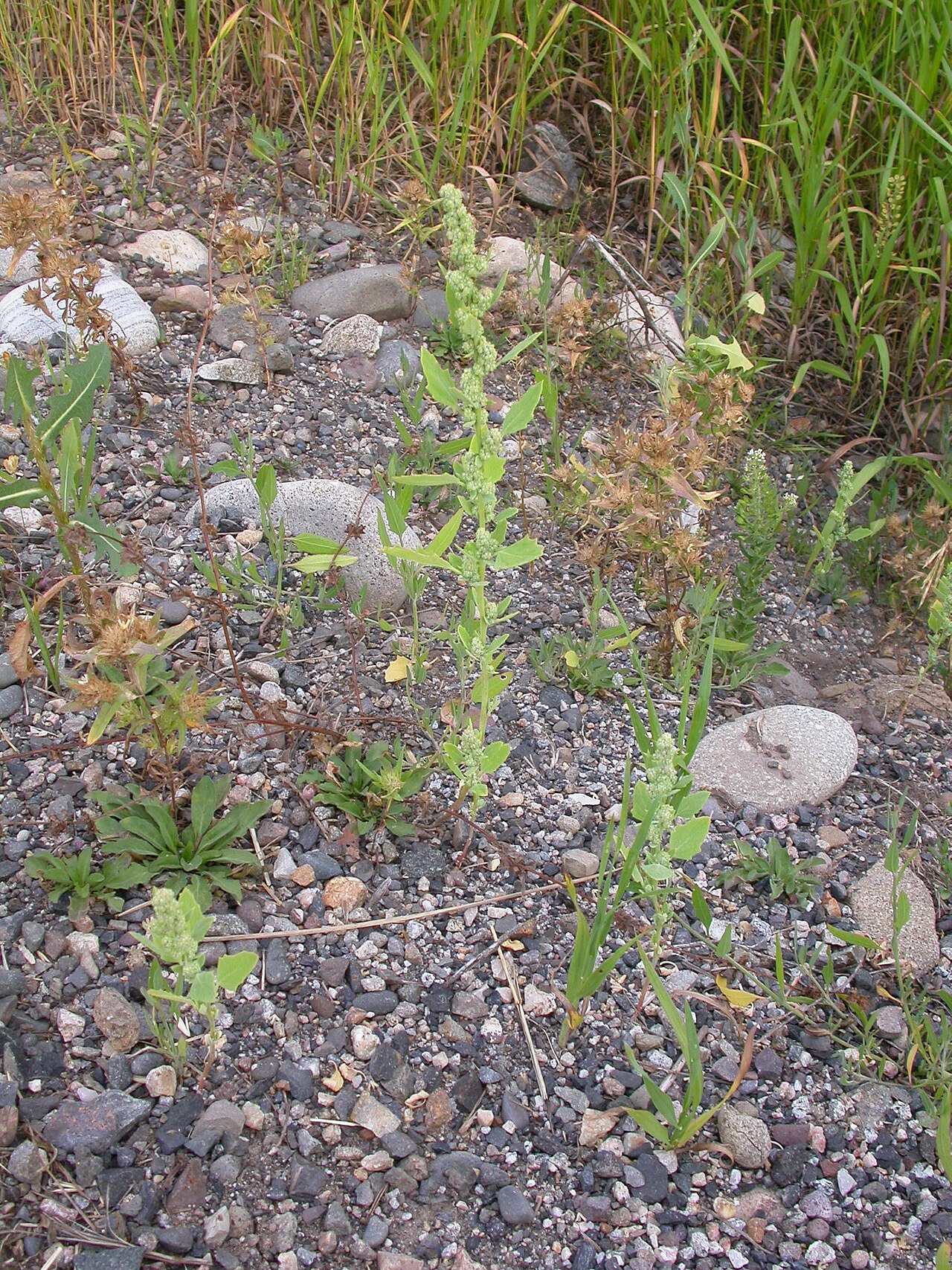
Matt Lavin · CC BY-SA 2.0
Photo source and identification
Original record · Original image
.jpg)

Source page scientific identification plus visual morphology review of the selected photograph. This is a source-identified reference image, not a specimen-based taxonomic determination. Source-identified C. berlandieri. Goosefoot species and infraspecific taxa can be difficult to distinguish, and mature seed surface characters may be needed. Foliage photographs alone do not establish an unknown plant’s species or variety; mixed Atriplex/Chenopodium comparison scenes were excluded.
Wikimedia server-resized derivative, reduced from the original; no crop, color change, upscaling, or generative editing. Gallery display preserves the full image; catalog preview may use a CSS crop.
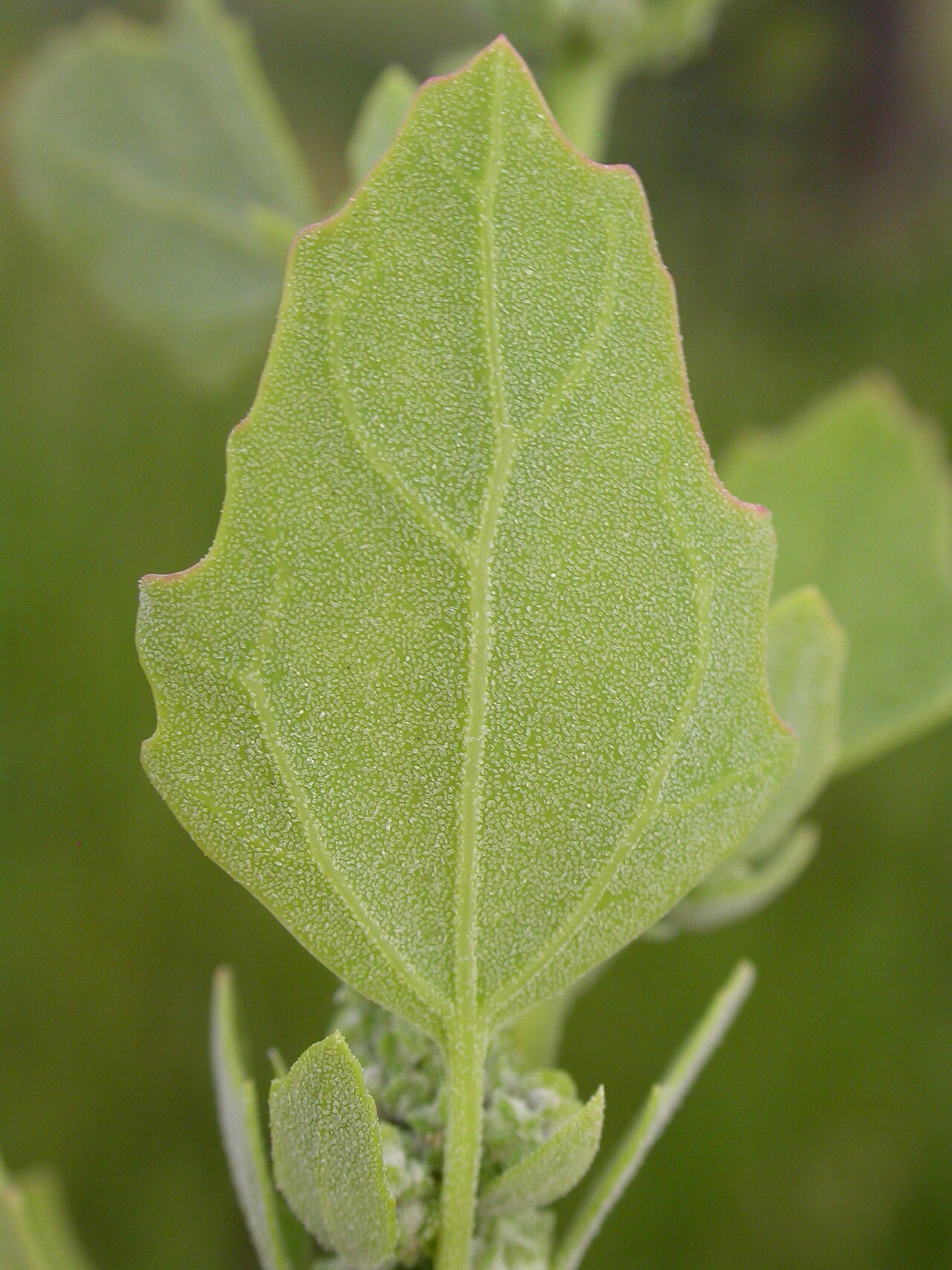
Matt Lavin · CC BY-SA 2.0
Photo source and identification
Original record · Original image
.jpg)

Source page scientific identification plus visual morphology review of the selected photograph. This is a source-identified reference image, not a specimen-based taxonomic determination. Source-identified C. berlandieri. Goosefoot species and infraspecific taxa can be difficult to distinguish, and mature seed surface characters may be needed. Foliage photographs alone do not establish an unknown plant’s species or variety; mixed Atriplex/Chenopodium comparison scenes were excluded.
Wikimedia server-resized derivative, reduced from the original; no crop, color change, upscaling, or generative editing. Gallery display preserves the full image; catalog preview may use a CSS crop.
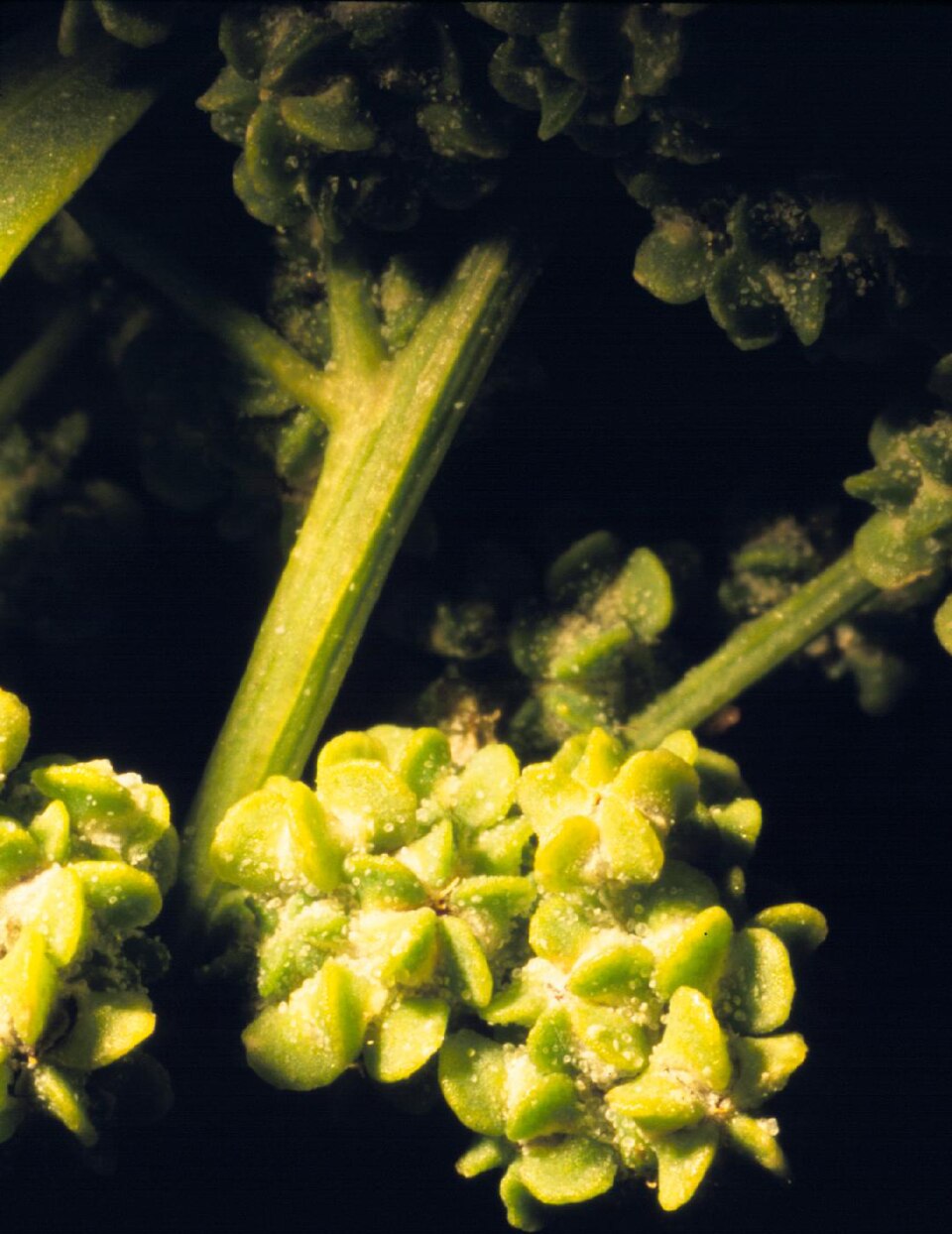
Matt Lavin · CC BY-SA 2.0
Photo source and identification
Original record · Original image
.jpg)

Source page scientific identification plus visual morphology review of the selected photograph. This is a source-identified reference image, not a specimen-based taxonomic determination. Source-identified C. berlandieri. Goosefoot species and infraspecific taxa can be difficult to distinguish, and mature seed surface characters may be needed. Foliage photographs alone do not establish an unknown plant’s species or variety; mixed Atriplex/Chenopodium comparison scenes were excluded.
Wikimedia server-resized derivative, reduced from the original; no crop, color change, upscaling, or generative editing. Gallery display preserves the full image; catalog preview may use a CSS crop.
Identification
An annual with variable leaves, a mealy underside and grooved stems; green flowers are inconspicuous. Confirm mature seed characters before separating it from common lambsquarters. C-descriptions
Evidence scope: Species description; identification limitation.
People
The reviewed sources do not establish species-specific ingestion effects or a safe exposure amount for people. Missing evidence does not establish safety.
Dogs & cats
The reviewed sources do not establish species-specific ingestion effects or a safe exposure amount for dogs or cats. Missing evidence does not establish safety.
Other animals
The reviewed sources do not establish species-specific ingestion effects or a safe exposure amount for livestock. Missing evidence does not establish safety.
Plants & habitat
Rapid growth and water use can make it competitive in cultivated ground. C-descriptions
Management & timing
Pull or hoe young plants and prevent seed maturation where they are unwanted. C-descriptions
Before taking action
Confirm identification and the requirements of your county weed program. For chemical treatment, follow the current product label, including restrictions around animals and water. S27
References
- C-floristic-2020 — Colorado Floristic Quality Assessment: 2020 Update, Colorado Natural Heritage Program, Colorado State University. Accessed 2026-09-07T02:27:33+00:00. Locator: Appendix B, Colorado species list: scientific name and native/non-native fields.
- CO-rules-2025 — Colorado Noxious Weed Act rules, 8 CCR 1206-2, Colorado Secretary of State / Department of Agriculture. Accessed 2026-09-07T01:07:48+00:00. Locator: Parts 3.1, 4.1, 5.1; management provisions; effective May 15, 2025.
- C-descriptions — Weed descriptions, Colorado State University Extension. Accessed 2026-09-07T00:24:02+00:00. Locator: Species entries.
- S27 — 2103 – Colorado Noxious Weeds, PlantTalk Colorado · CSU Extension. Accessed 2026-09-07T00:23:57+00:00. Locator: List A, B and C management categories.